
What Is a Jack-Up Rig? Legs, Preloading and Punch-Through Explained
How a jack-up rig stands on the seabed: legs, spudcans, jacking systems, preloading and air gap, plus what punch-through is and how sites are assessed.

How a jack-up rig stands on the seabed: legs, spudcans, jacking systems, preloading and air gap, plus what punch-through is and how sites are assessed.

Freeing ports are critical openings in ship bulwarks that allow water to drain from exposed decks. Learn how they work, why they’re required, and how they improve vessel safety and stability.

Find active shipyards in Florida offering ship repair, refit, conversions, and marine engineering. This directory lists verified facilities with dry docks, travel lifts, fabrication halls, and certified vessel service capabilities.
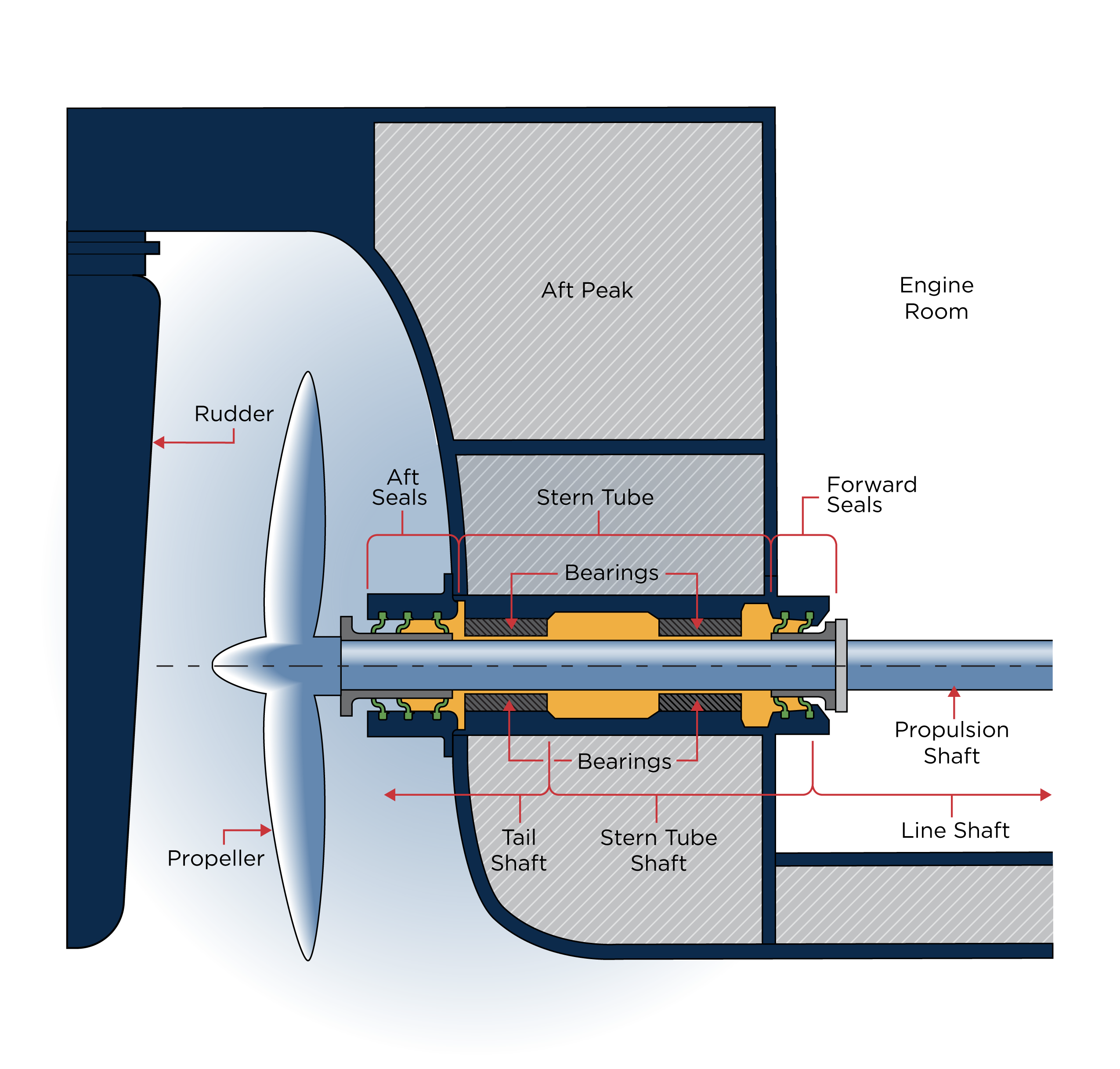
The shafting system in ships connects the main engine to the propeller, transmitting torque and thrust. Proper alignment and maintenance ensure efficient, vibration-free propulsion.
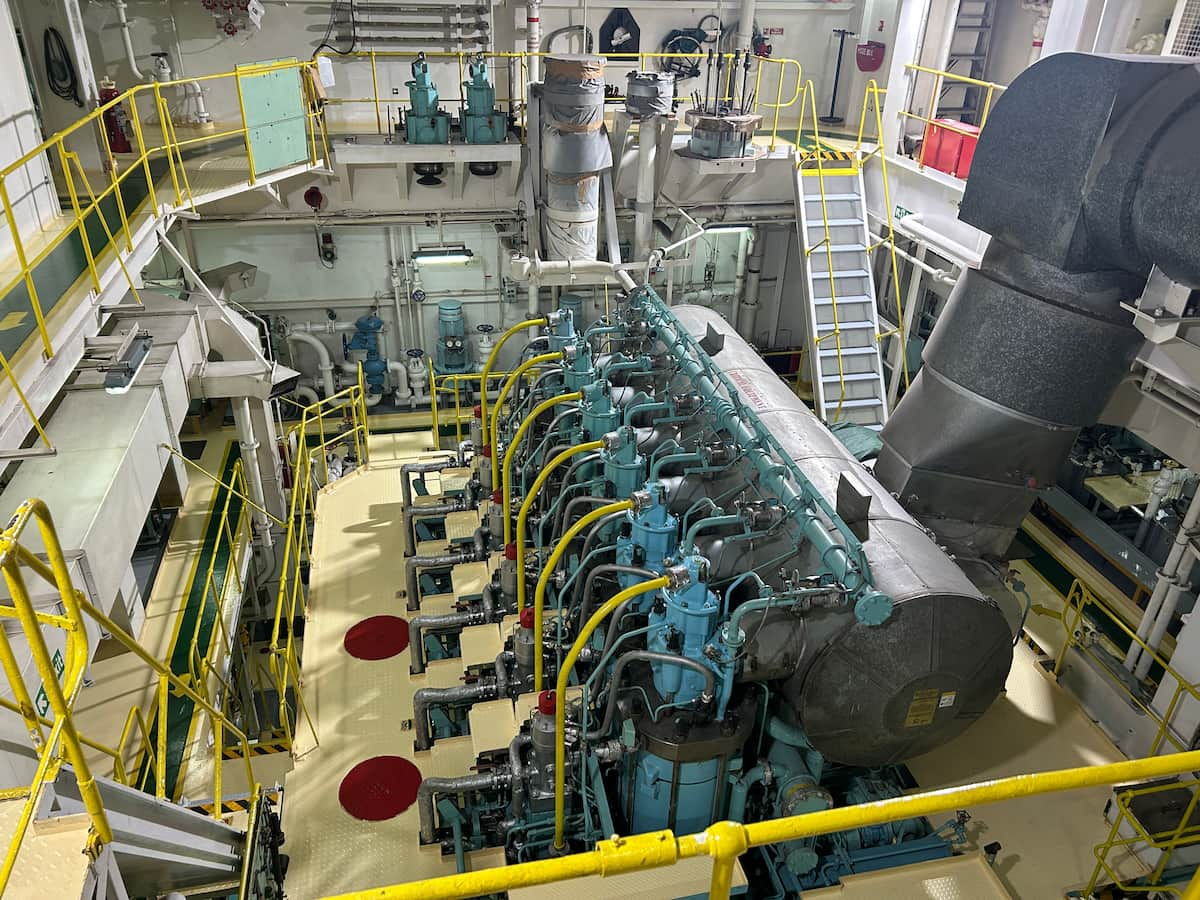
A ship main engine powers propulsion by burning fuel in cylinders, driving pistons and crankshaft. Learn about its types, components, fuels, safety, and regulations in shipping.
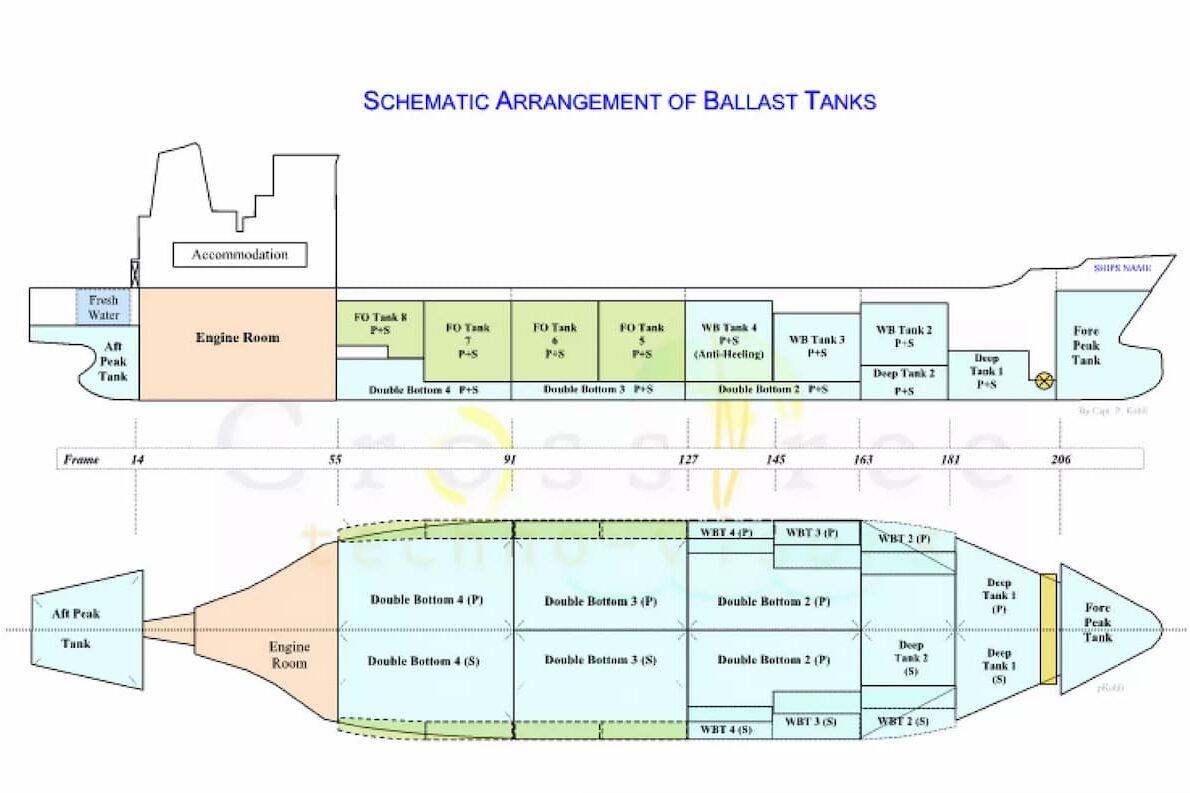
A cargo ship’s ballast system manages seawater intake and discharge to stabilize trim, list, and draft—crucial for safety, fuel efficiency, and legal compliance.
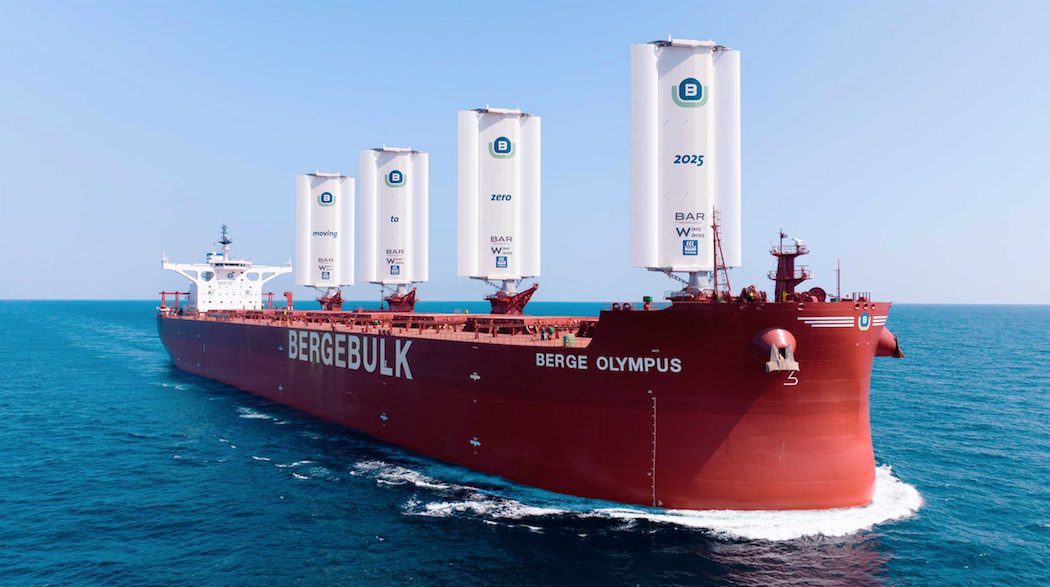
Wind-Assisted Propulsion Systems (WAPS) offer a powerful solution by harnessing wind energy to reduce fuel consumption and emissions.

Cargo ships feature specialized spaces like accommodation blocks, ballast tanks, and machinery rooms, each optimized for functionality and safety. Learn how these key areas, including fuel and cargo spaces, contribute to the efficiency of modern vessels.
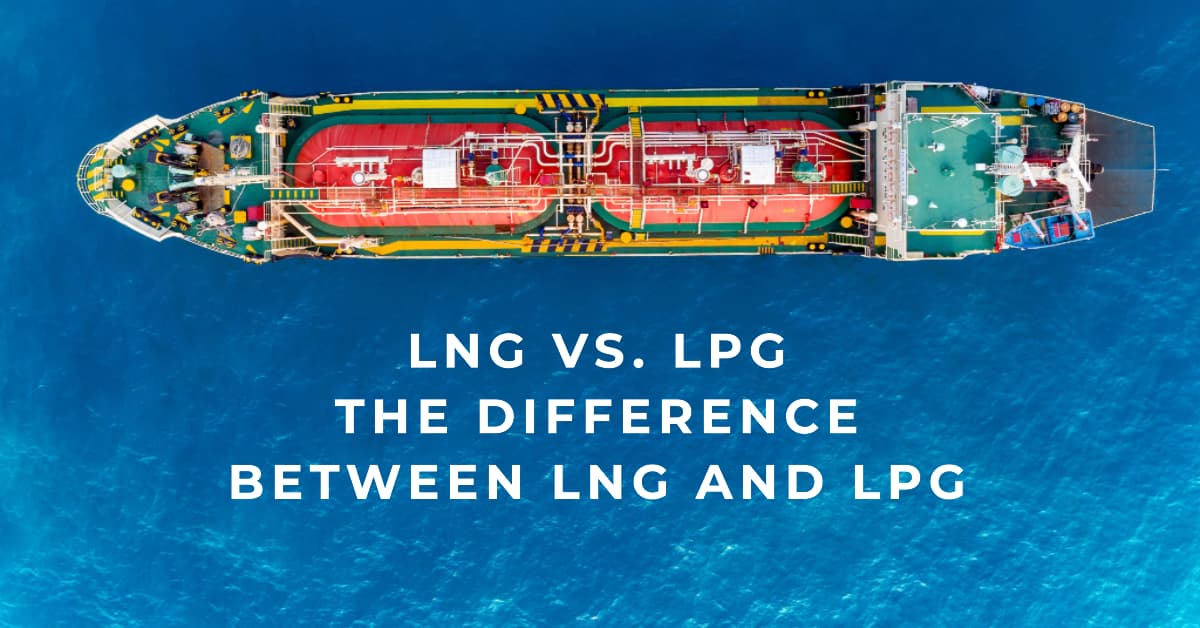
LNG and LPG play vital roles in maritime transport. Learn about their unique storage, transport methods, and how each fuel impacts shipping efficiency and sustainability.

How oil tanker cargo handling works: pumps, pipelines, inert gas, venting, overfill alarms, crude oil washing and heating, with the SOLAS and MARPOL rules.