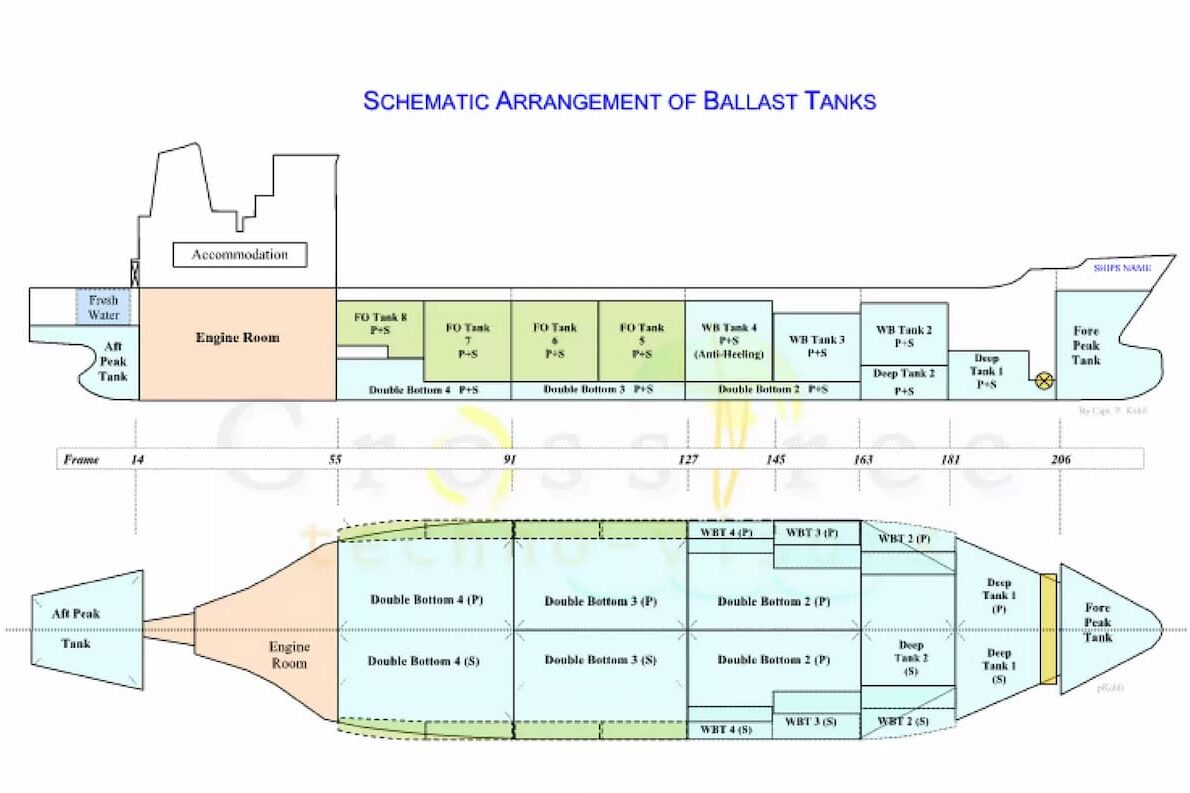
What Is a Ballast System on a Cargo Ship?
A cargo ship’s ballast system manages seawater intake and discharge to stabilize trim, list, and draft—crucial for safety, fuel efficiency, and legal compliance.

A cargo ship’s ballast system manages seawater intake and discharge to stabilize trim, list, and draft—crucial for safety, fuel efficiency, and legal compliance.
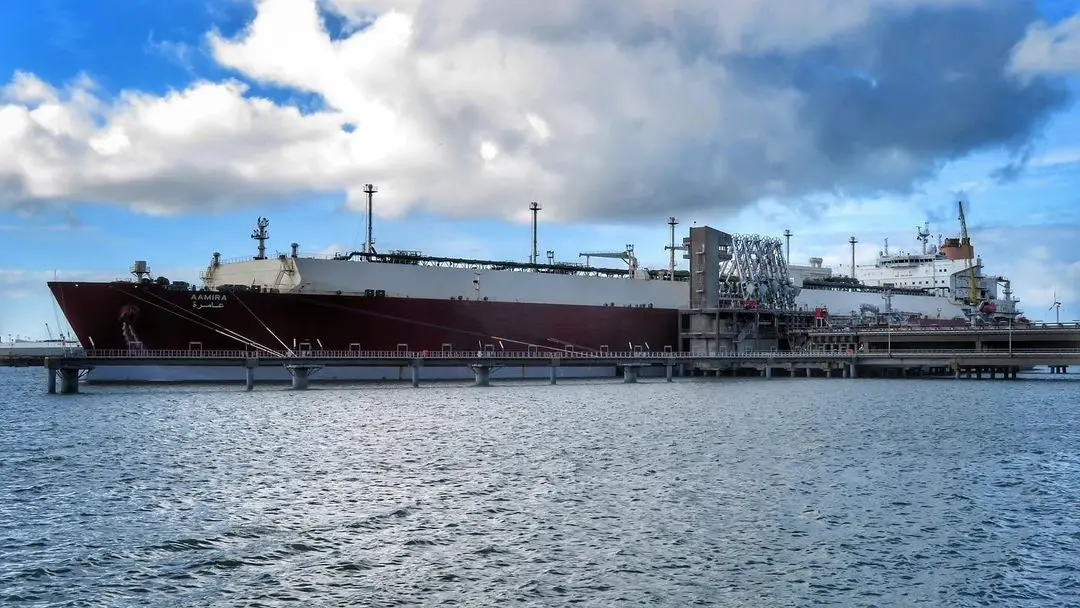
The types of gas carriers under the IGC Code explained: carriage conditions, ship types 1G, 2G, 2PG and 3G, Type A, B and C tanks, and LPG carrier sizes.
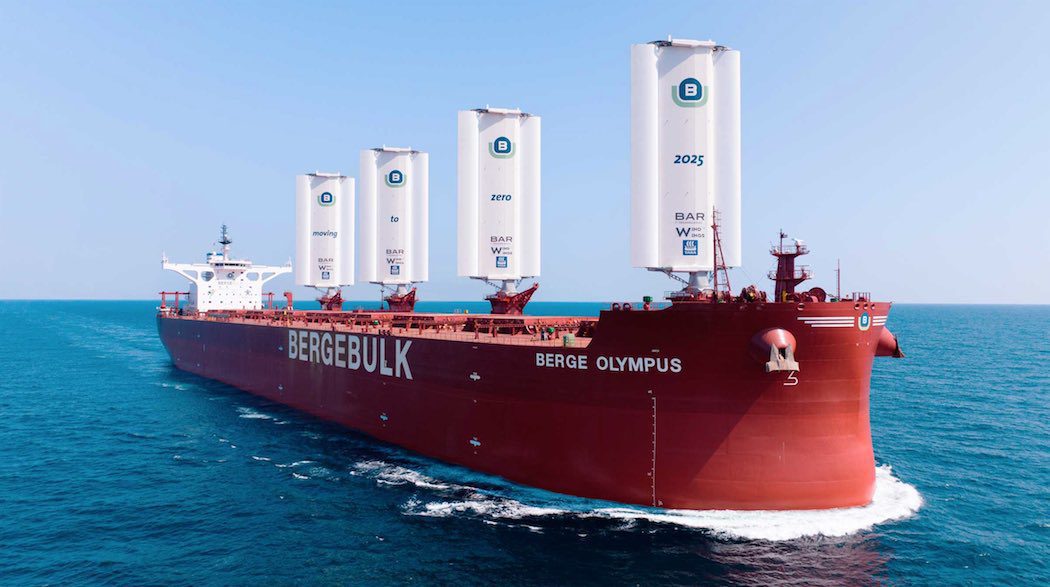
Wind-Assisted Propulsion Systems (WAPS) offer a powerful solution by harnessing wind energy to reduce fuel consumption and emissions.
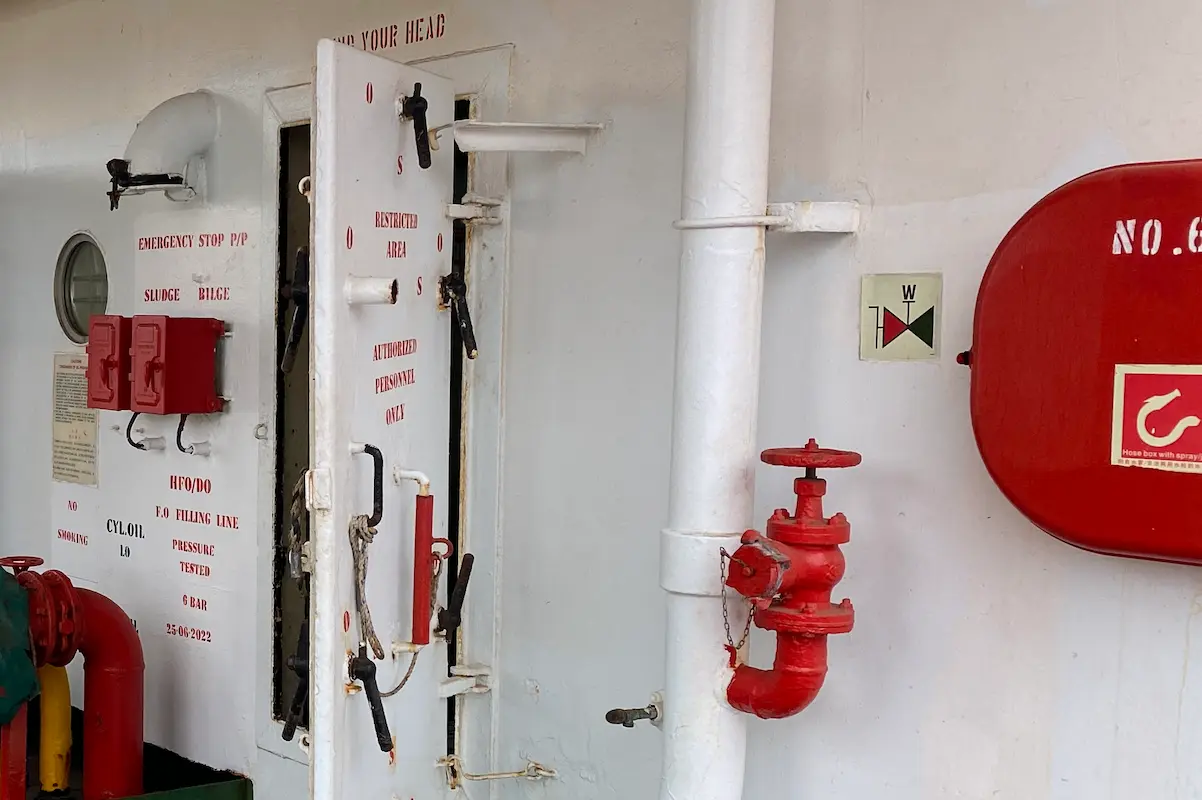
All ships must comply with fire hose SOLAS Requirements outlined in regulations 10, particularly Chapter II-2, Part C “Suspenssion of Fire”.
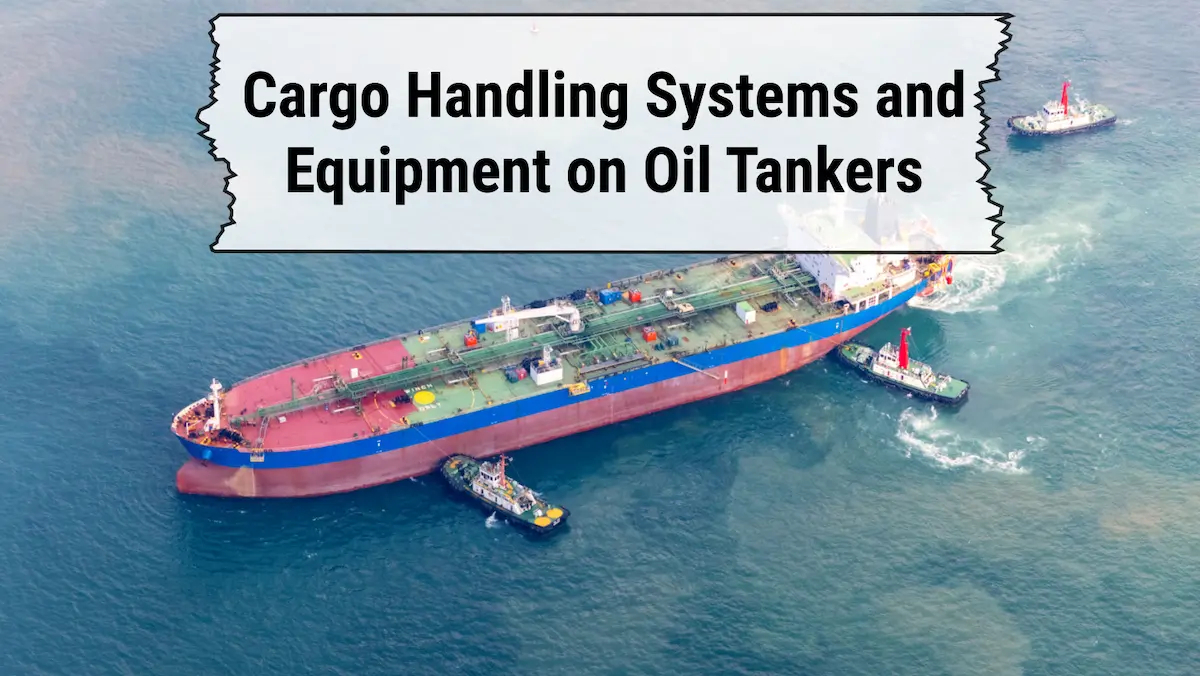
How oil tanker cargo handling works: pumps, pipelines, inert gas, venting, overfill alarms, crude oil washing and heating, with the SOLAS and MARPOL rules.

Ship tonnage explains a vessel’s capacity, impacting regulations, fees, safety, and construction—vital in modern shipping for efficiency and compliance.
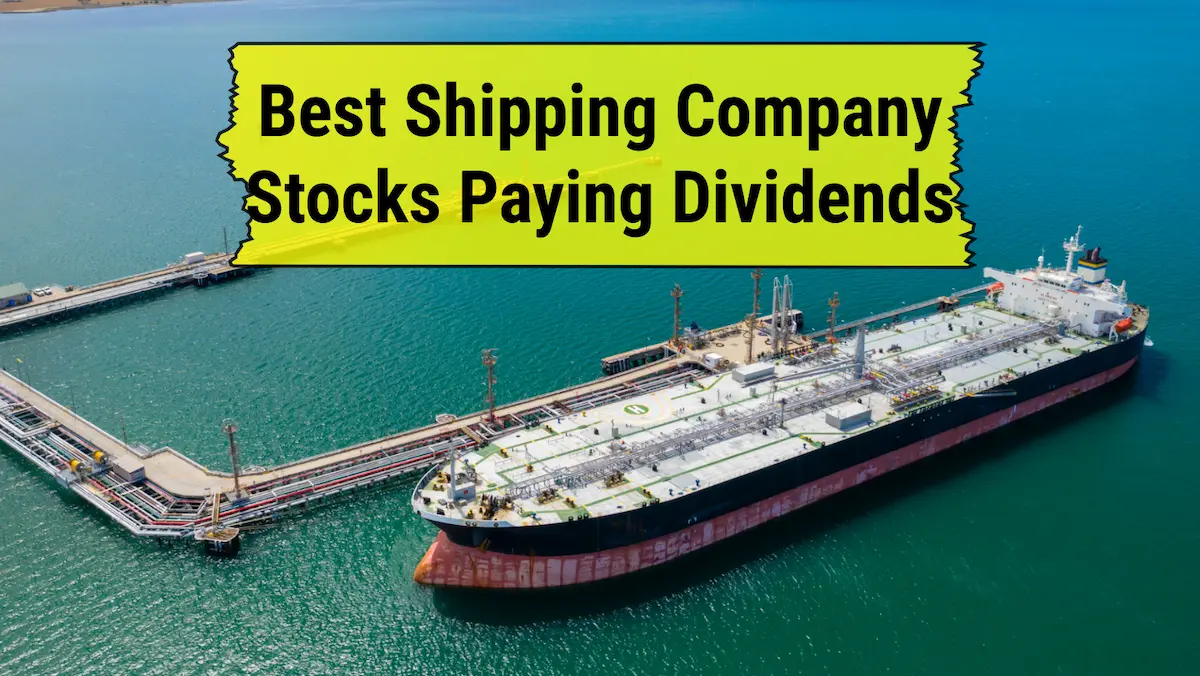
Discover the top 10 dividend-paying shipping stocks, their yields, market positions, and what makes each an attractive choice for stable income and growth.
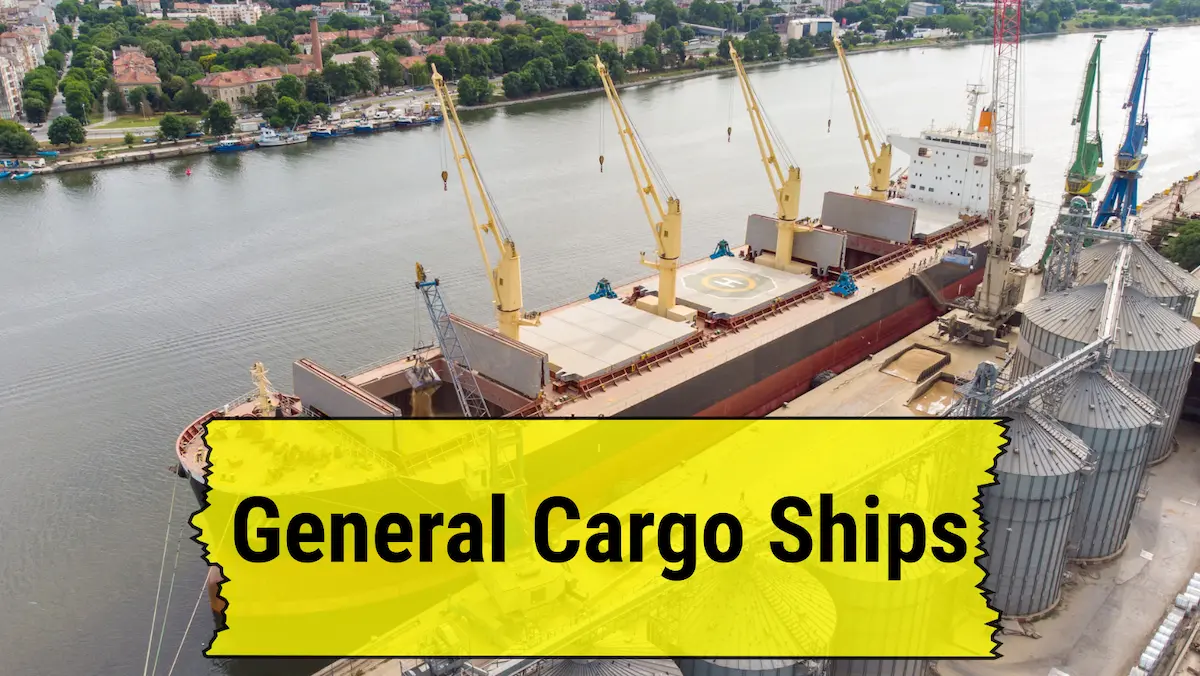
Learn how general cargo ships handle diverse cargo, operate on remote routes, and adopt innovations for safer, greener shipping.
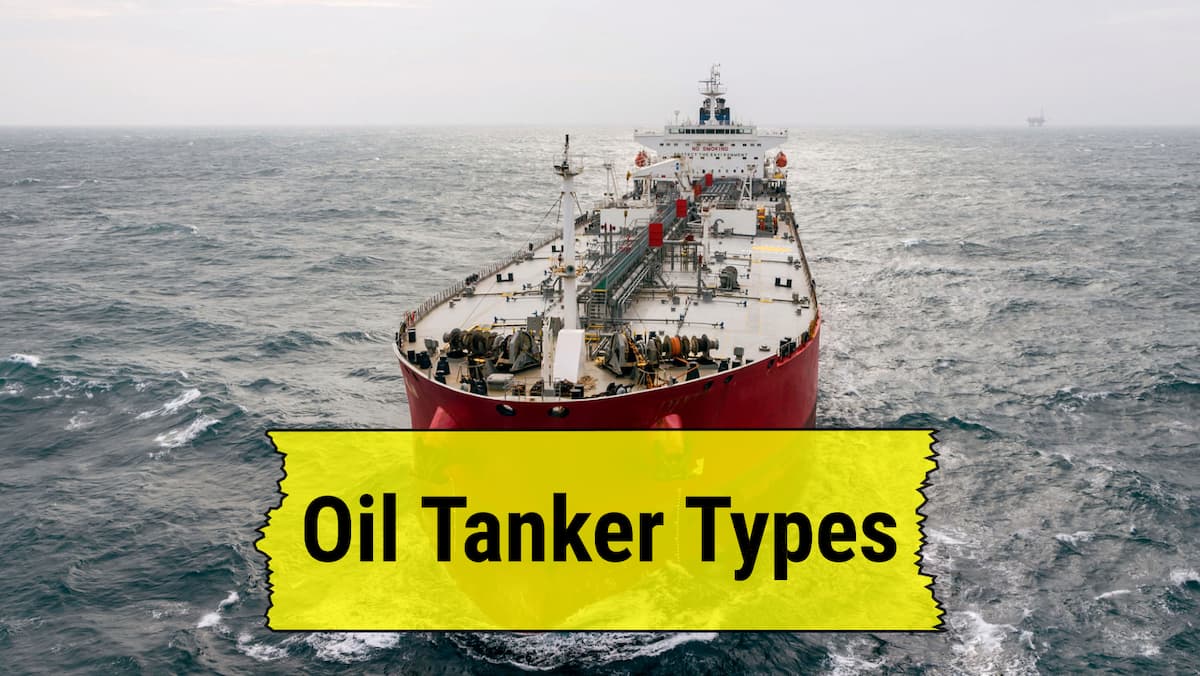
A guide to oil tanker types: crude and product tankers, size classes from General Purpose to ULCC, clean vs dirty trades, MARPOL categories and inspections.
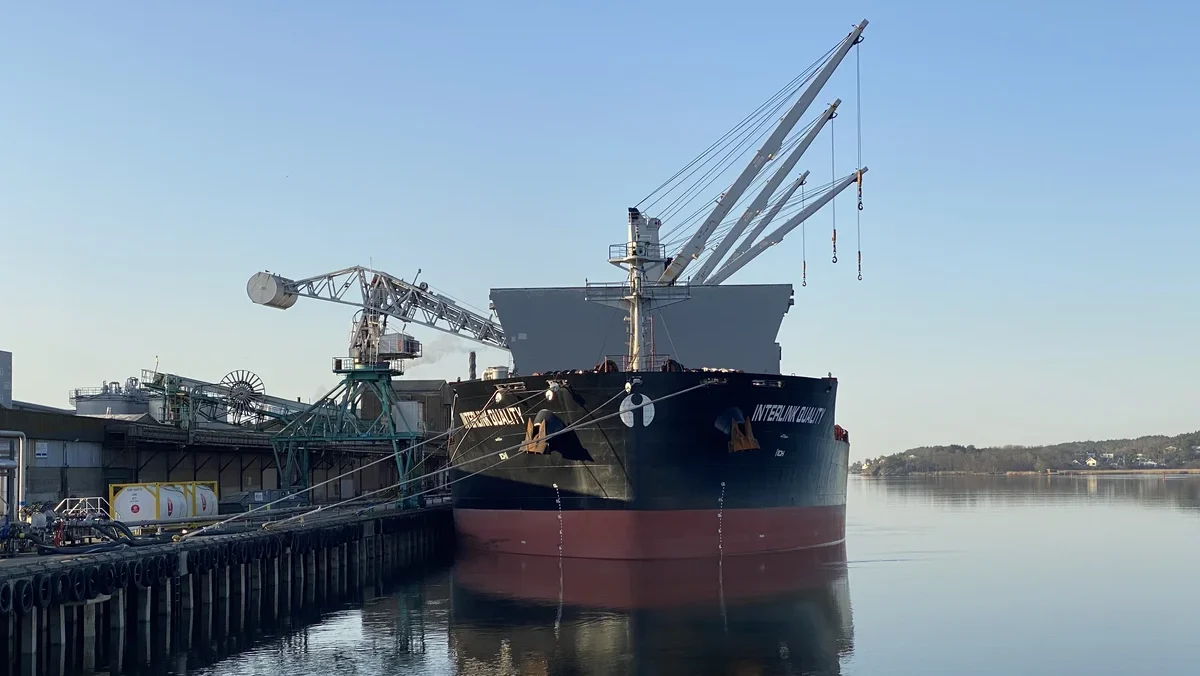
The dry bulk sector, which accounts for nearly half of the world’s fleet by deadweight. The top 10 dry bulk shipping companies, managing over 15%.