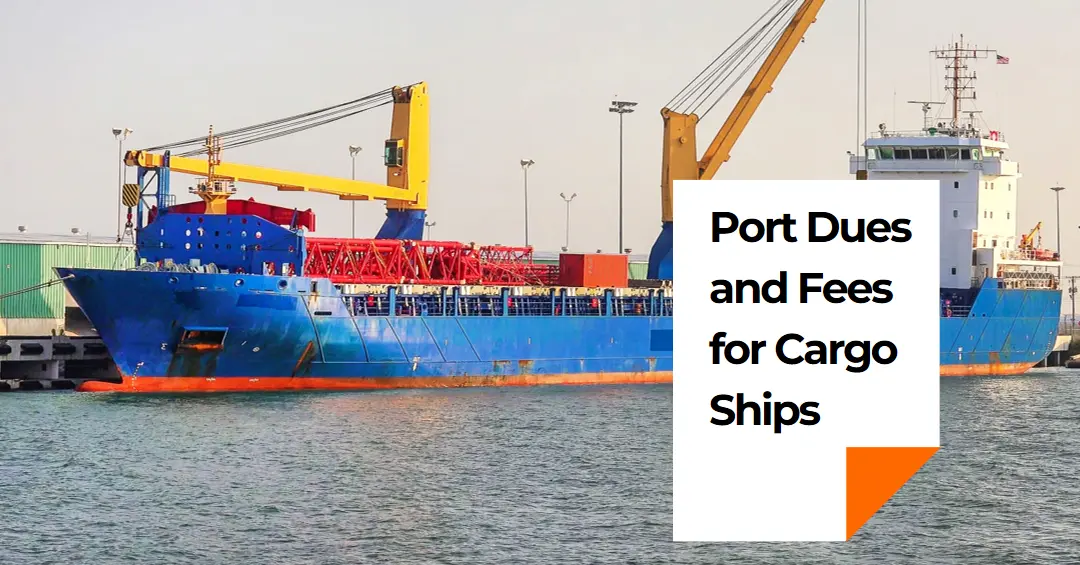
Port Costs: Port Charges, Dues and Fees for Cargo Ships
What a ship pays in port: port dues, berth hire, pilotage, towage, terminal handling, agency and government fees, how each is calculated and who pays them.

What a ship pays in port: port dues, berth hire, pilotage, towage, terminal handling, agency and government fees, how each is calculated and who pays them.
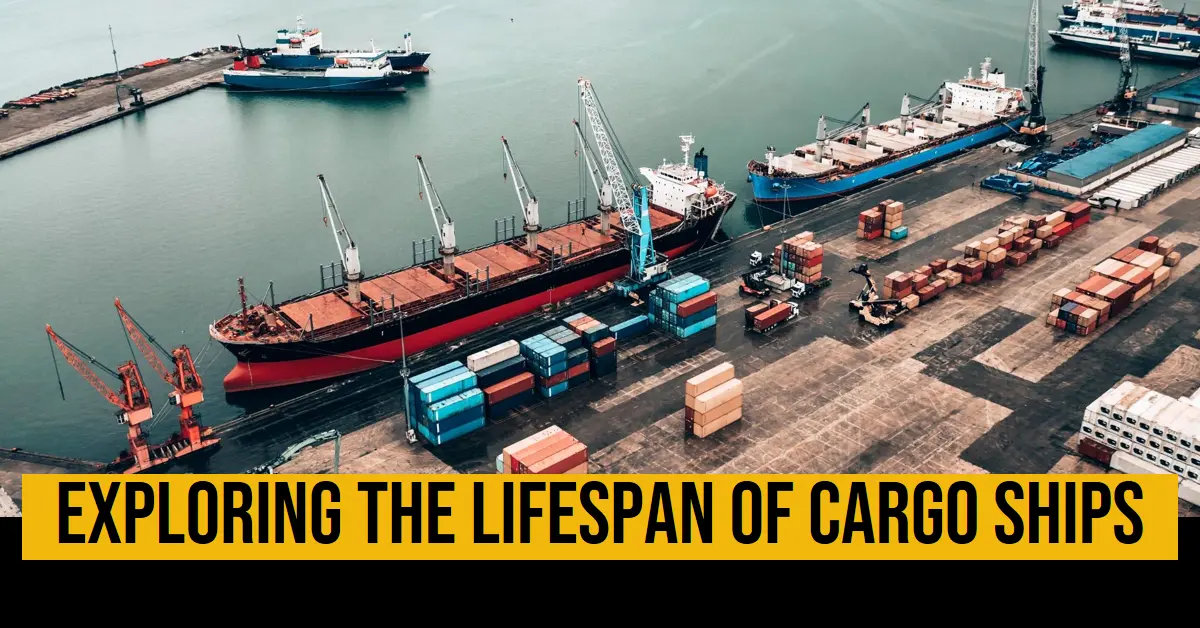
Unravel the mysteries of cargo ship lifespans and their significance in the intricate world of global maritime trade.
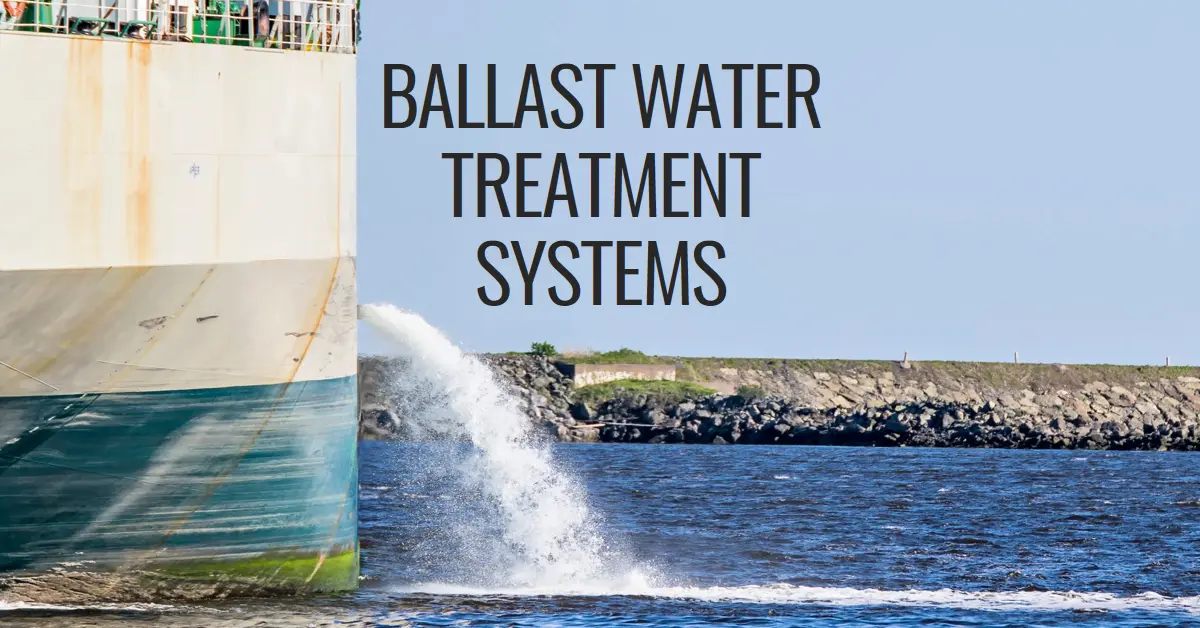
What a ballast water treatment system does, how filtration, UV and electrochlorination work, the IMO D-2 standard, required documents and PSC checks.
See how Los Angeles, Long Beach, and New York/New Jersey rank among the top 10 busiest US container ports by 2025 TEU volume, plus year-over-year change.
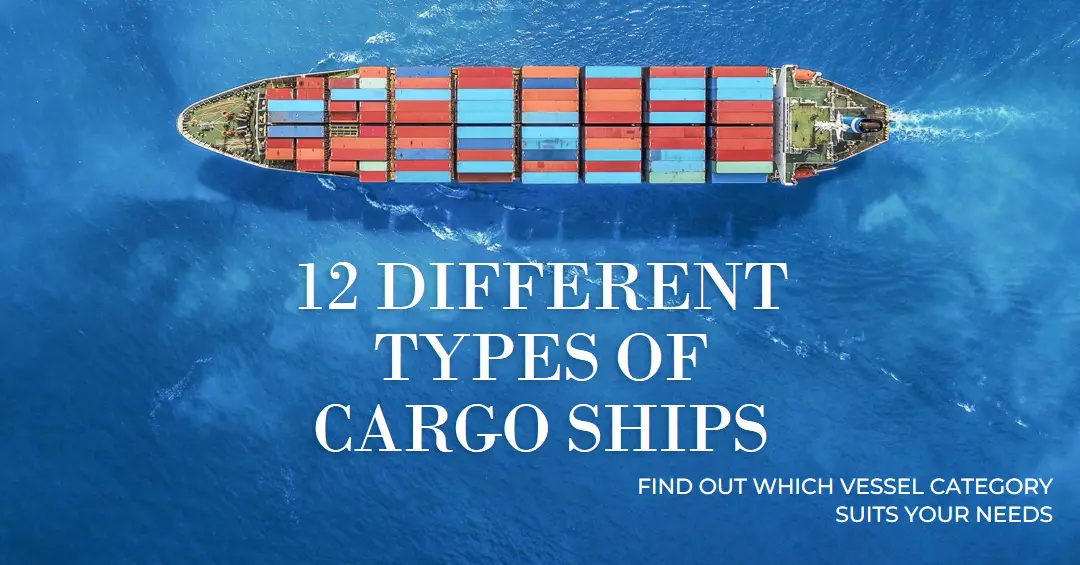
Types of Cargo Ships: 12 Different Vessel Categories – Find out how they differ, how to identify and which vessel category suits your needs!
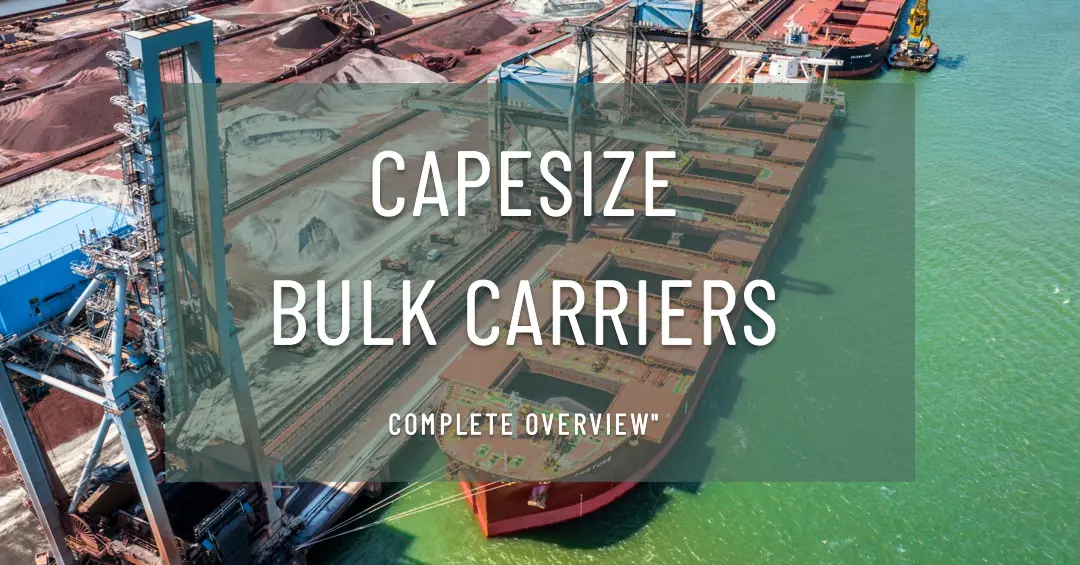
Dive into the colossal world of Capesize bulk carriers: maritime marvels reshaping global trade and environmental dynamics!

Icebreakers are essential for navigating through ice-covered waters, enabling maritime routes in the polar regions.
Navigating the waters of nautical and sailing terminology can be as challenging as sailing through uncharted waters. This comprehensive glossary covers essential terms and abbreviations, providing a valuable resource for both seasoned sailors and landlubbers alike. The terms are organized alphabetically for easy reference. A B C D E F G H I J K…
![How Deep is a Fathom in the Ocean? [Maritime Measurements]](https://maritimepage.com/wp-content/uploads/2022/03/fathom-ine-and-depth-nautical-charts-1024x683-1.webp "How Deep is a Fathom in the Ocean? [Maritime Measurements] 9")
A fathom equals exactly 6 feet, or 1.8288 meters. See how deep 100 fathoms is, a full depth conversion table, and where the unit’s name really comes from.
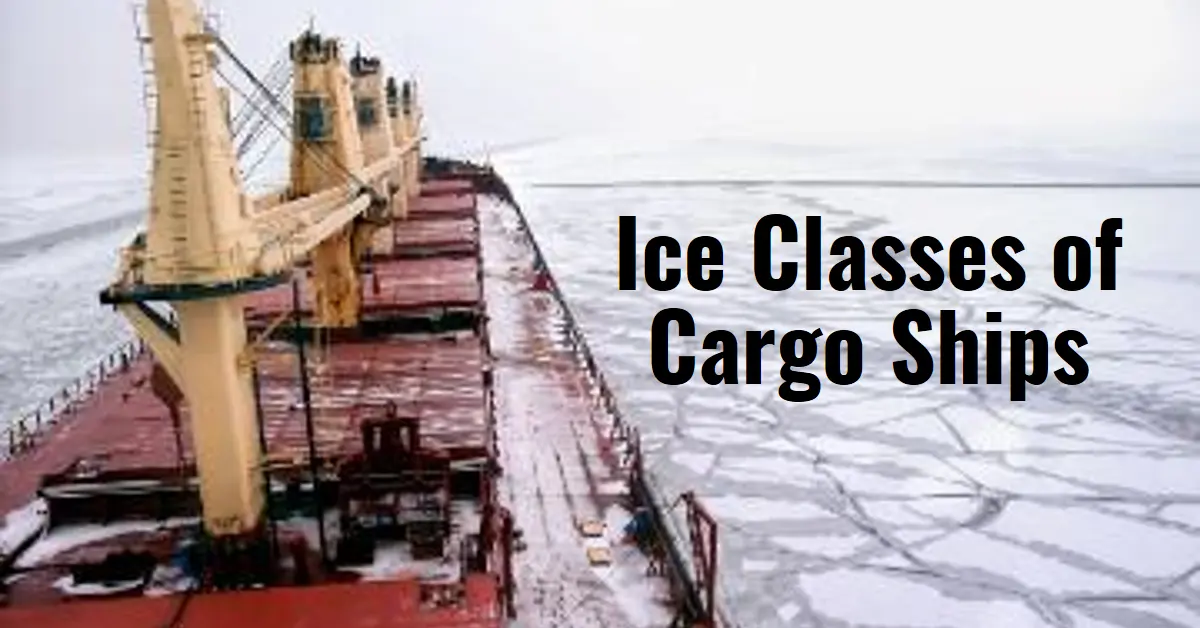
Ice class refers to the classification given to a cargo ship indicating its ability to navigate through sea ice. This classification is crucial for ensuring safe marine operations in polar regions and is assigned by various classification societies or national authorities. Ships with a higher ice-class can navigate through thicker and harder sea ice. Some…