What Is the IBC Code? Ship Types, Products and Certificates
What the IBC Code requires of chemical tankers: scope, ship types 1, 2 and 3, the 21 chapters, Chapter 17 products, safety systems and certificates.

What the IBC Code requires of chemical tankers: scope, ship types 1, 2 and 3, the 21 chapters, Chapter 17 products, safety systems and certificates.
What the ISM Code requires of shipping companies and ships: SMS elements, the DPA, DOC and SMC certification, ISM audits and PSC detention risks explained.
What the 2008 IS Code requires: GZ and GM criteria, the weather criterion, special rules for passenger ships, tankers and timber carriers, and inspections.
SOLAS is the IMO’s core ship safety treaty. This guide breaks down what each of its fourteen chapters actually covers and how it gets enforced at sea.
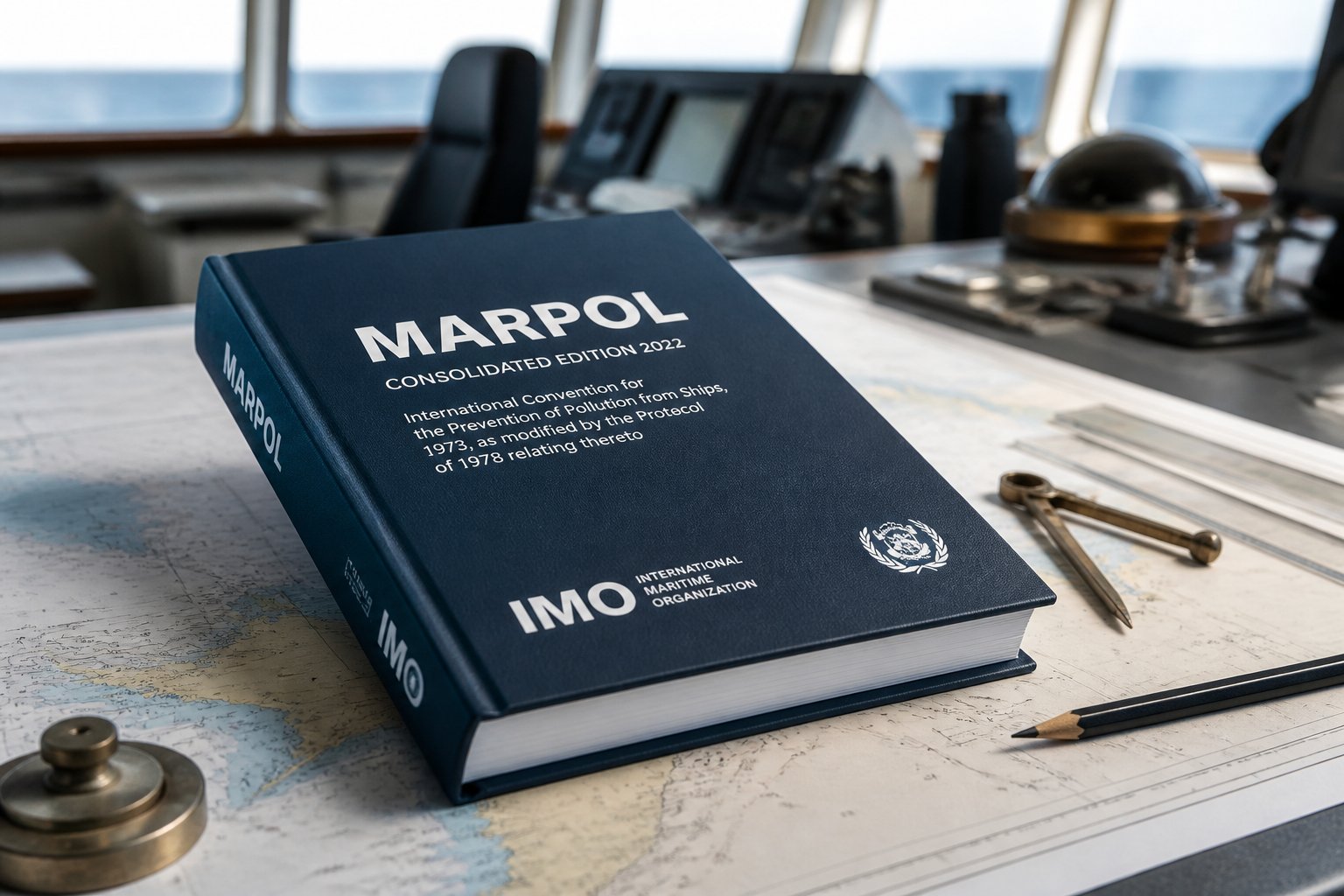
MARPOL is the International Convention for the Prevention of Pollution from Ships. It’s the IMO treaty governing oil, chemical, sewage, garbage, and air pollution at sea. Adopted in 1973 and in force since 1983 as MARPOL 73/78, it’s split into six Annexes, each covering a different pollution source. This guide breaks down what each Annex…
What UNCLOS is, the 12, 24 and 200 nm maritime zones, navigation rights for ships, flag state duties, piracy rules, ITLOS and the 2026 High Seas Treaty.
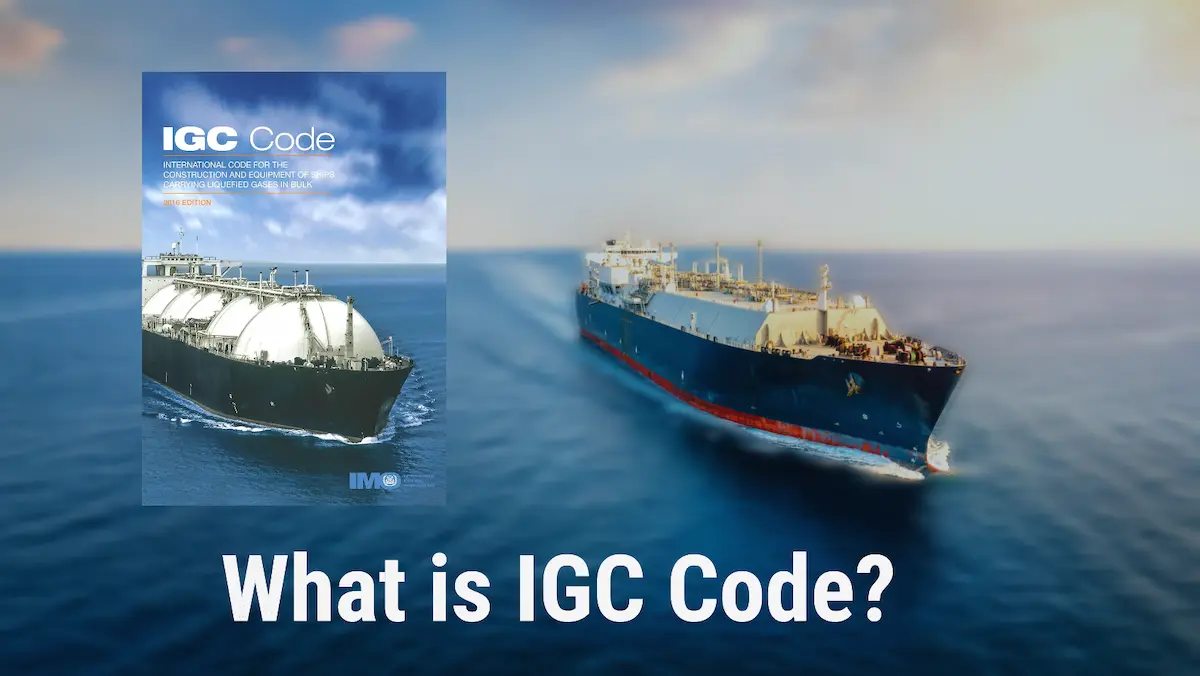
The IGC Code for gas carriers: liquefied gas definition, ship types 1G–3G, cargo tank types, the 19 chapters, Certificate of Fitness and inspections.
The MTSA in plain terms: who it covers, security plans and officers, MARSEC levels, TWIC cards, how it differs from ISPS and what USCG boardings check.
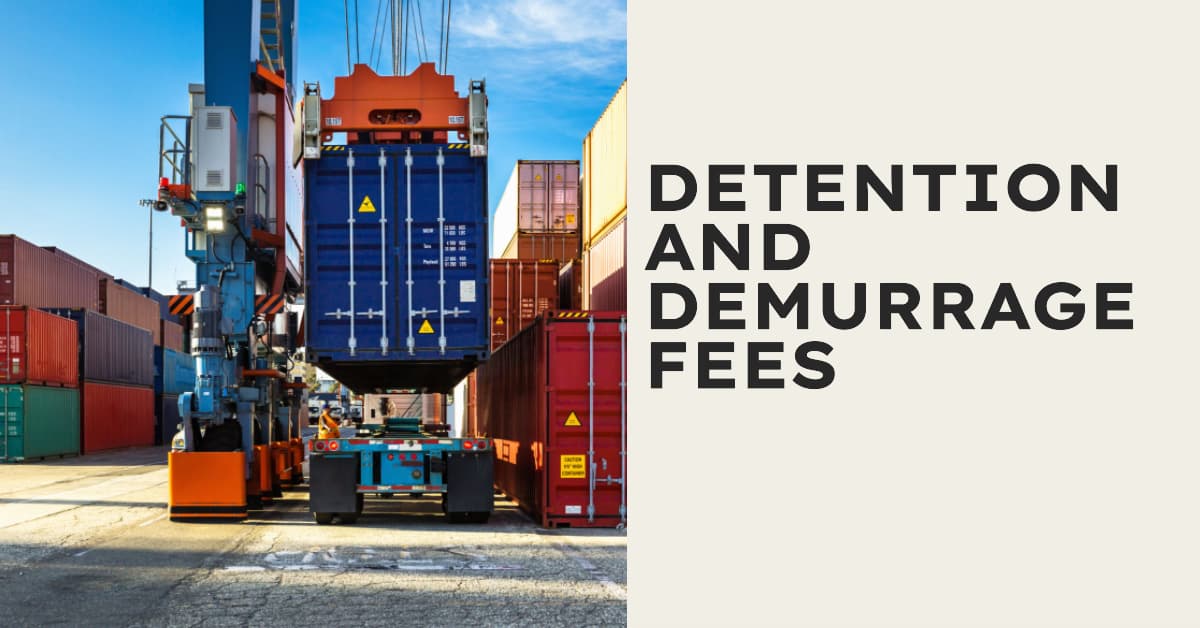
Detention and demurrage fees explained in full: the key difference, who pays, how per-diem rates are calculated, and how shippers can avoid the charges.
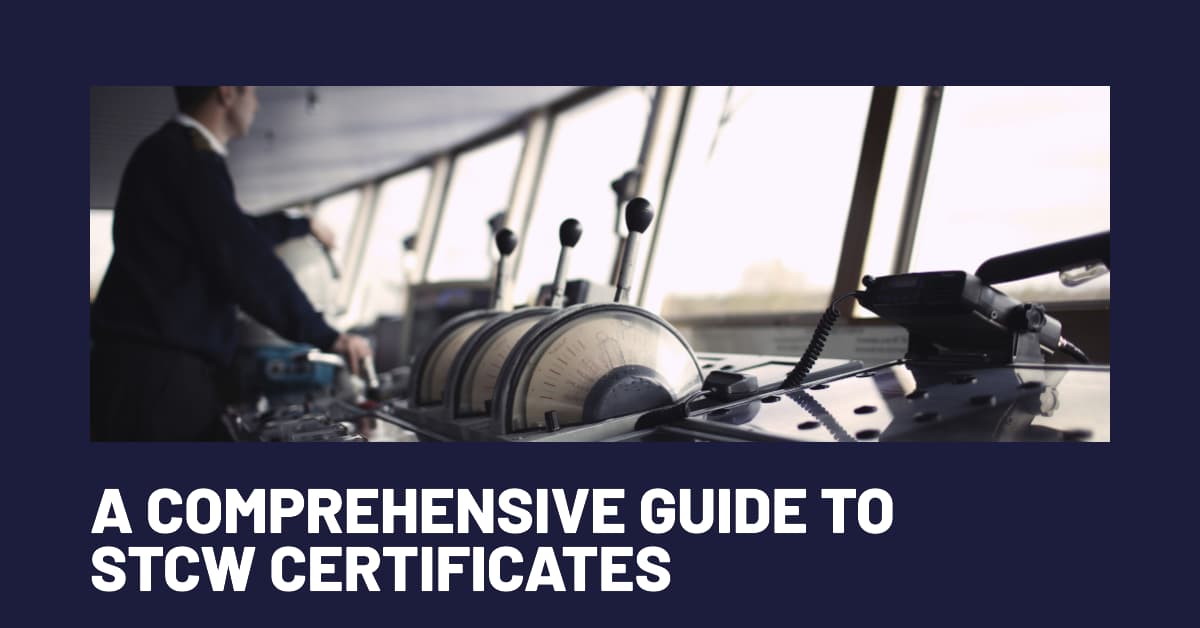
The main STCW certificates, from basic training to officer CoCs: what each proves, who needs it, how long it lasts and how to get and verify one.