Nautical science is the body of knowledge that lets a ship move from one place on the planet to another safely, on schedule, and without putting the crew, cargo, or marine environment at risk. It sounds straightforward until you are standing a bridge watch at 0200 in restricted visibility, a VLCC overtaking on your port quarter, a shallow shoal two miles ahead, and a VHF call coming in from the pilot station. At that point, nautical science stops being theoretical.
I spent years as a deck officer on tankers and LPG carriers before moving into marine surveying. This guide is not a textbook summary. It is a map of what nautical science actually covers — the disciplines that matter at sea, why they matter, and where to go deeper on each one.
The foundation of nautical science is knowing where the vessel is and where it is going. Modern ships use ECDIS as their primary navigation system, supported by GPS, radar, AIS, and — where regulations require — paper charts as backup. Each of these tools has limits that the officer of the watch has to understand, not just operate.
AIS, for example, is useful for traffic management but tells you nothing about a vessel’s actual course over ground in a strong current. Radar shows you a target but not its intention. Understanding how these tools interact — and when to trust one over another — is what separates a competent watch officer from someone who is merely qualified.
→ How AIS works and what it tells you about surrounding traffic
→ MarineTraffic vs VesselFinder — practical differences for vessel tracking
→ Understanding the marine forecast before departure
→ Echo sounders and depth measurement explained
→ 21 types of navigation equipment carried onboard ships
Passage planning
Before any ship moves, someone has to plan the route. The four-stage passage planning process — appraisal, planning, execution, monitoring — is a SOLAS requirement, but the quality of that planning varies enormously between operators and individuals. A passage plan that identifies every hazard on paper but ignores the tidal window at the port of arrival is not a good passage plan; it is a document that satisfies an inspector.
Good passage planning integrates weather routing, current data, under-keel clearance calculations especially in shallow water, traffic separation schemes, and contingency waypoints if the primary route becomes unavailable. On a bulk carrier transiting the English Channel, this is manageable. On an LPG carrier approaching a jetty in restricted waters with a two-hour tidal window, it requires hours of preparation.
→ The four stages of passage planning explained in full
→ What is Bridge Navigational Watch?
→ Comprehensive Explanation of the COLREGs Rule 1
→ What Is the Safe Speed of A Ship? COLREGs Rule 6 Explained!
Steering and manoeuvring
A ship does not respond like a car. Apply helm and the bow does not immediately swing — there is advance, transfer, and a tactical diameter that varies with vessel type, loading condition, speed, and wind. Understanding how a ship actually moves through the water is the difference between a textbook manoeuvre and one that ends with a dented jetty.
The pivot point — the fulcrum around which the ship rotates — shifts depending on whether the vessel is moving ahead or astern, and whether a bow thruster or tug is assisting. On a laden VLCC, the pivot point in headway sits roughly one-third from the bow, which means the stern swings a long way for every degree of helm put on. This is not intuitive, and getting it wrong in a confined berth is expensive.
→ The pivot point of a ship and why it changes with movement
→ Wheel-over point and turning radius — how to calculate and apply them
→ The turning circle of a ship — parts and characteristics
→ Ship squat in shallow water — what it is and how to calculate it
→ Williamson turn and other man-overboard manoeuvres
Ship stability and structural loading
A ship that is wrongly loaded is dangerous regardless of how experienced the officer on watch is. Free surface effect in partially-filled tanks reduces the metacentric height and makes the vessel tender. Racking stresses from beam seas load the transverse framing in ways that accumulate fatigue over time. A shear force or bending moment that exceeds the vessel’s limits — even momentarily in a heavy seaway — can have consequences that are not visible until drydock.
Cargo officers spend significant time with the loading computer before sailing, not because it is required, but because the consequences of getting it wrong are too serious to treat casually.
→ Free surface effect on ships — what it is and why it matters
→ Racking in ships — transverse stress explained
→ Do ships float higher in saltwater? Dock water allowance explained
Maritime safety and emergency procedures
Every ship carries a Safety Management System under the ISM Code, but the value of an SMS depends entirely on whether the procedures in it reflect how work is actually done, not how it is supposed to be done on paper. The gap between those two things is where accidents happen.
Of all the hazards on a ship, enclosed space entry kills more seafarers than almost any other single cause. The atmosphere in a cargo hold, void space, or pump room can be oxygen-depleted, toxic, or explosive — and it cannot be detected by eye. The procedure for entry exists precisely because the hazard is invisible.
→ Enclosed spaces on ships — hazards and entry procedures
→ Fire hose and firefighting equipment under SOLAS requirements
→ Different types of work permits used onboard ships
→ The importance of maritime safety standards and regulations
→ Pyrotechnics carried on ships — types and requirements
→ Lifeboat regulations and onboard requirements
Ship operations and cargo handling
How cargo is loaded, stowed, secured, monitored, and discharged varies significantly between vessel types, but the underlying principles — stability, structural limits, cargo compatibility, documentation — are consistent across all of them. The cargo plan is not a formality. It is the operational blueprint that every officer responsible for the cargo needs to understand before the first wire is connected.
On bulk carriers, hygroscopic cargo behaviour and the risk of liquefaction in certain bulk commodities requires careful monitoring throughout the voyage. On tankers, the sequence of valve operations during cargo transfer is safety-critical. On gas carriers, the interface between the cargo and the containment system demands a level of system knowledge that takes time to build.
→ What a ship cargo plan contains and how to read it
→ Hygroscopic vs non-hygroscopic cargo — what the distinction means in practice
→ Cargo hold ventilation on ships — when and how to ventilate
→ Bunkering on ships — the procedure, sampling, and documentation
→ Garbage management on ships under MARPOL Annex V
→ Spillage of dangerous goods — emergency response on board
Bridge watchkeeping
The officer of the watch is the master’s representative during their watch. That is not a ceremonial title — it is a legal responsibility under STCW that requires continuous situational awareness, sound judgement about when to call the master, and the discipline to follow standing orders even when it seems unnecessary. Fatigue is the invisible factor that degrades all of these.
Good watchkeeping habits are built over thousands of hours, not acquired in a simulator. The ability to look at a radar picture and immediately understand the geometry of every encounter — who gives way, who stands on, what the closest point of approach is and in how many minutes — becomes automatic with experience. Until it is automatic, it requires conscious effort on every watch.
→ What a bridge navigational watch involves and who holds it
→ Guide to steering a ship — helm orders and autopilot transition
→ Magnetic compass maintenance and adjustment onboard
→ Limitations of marine radars — what they cannot tell you
Port operations and berthing
Arriving in port is often the most demanding part of a voyage. The channel may be narrow, current unpredictable, and the berth designed for a vessel with different handling characteristics than yours. The port pilot is responsible for navigation within the port, but the master retains overall command — and the decision of when to override the pilot is one of the most delicate judgements in seafaring.
The berthing and unberthing sequence involves coordination between the bridge, mooring stations fore and aft, engine control room, and the shore gang — all communicating over radio with varying degrees of clarity and shared understanding.
→ What berthing and unberthing of a ship involves
→ Who is a ship or port agent and what do they do
→ What stevedores do and how they relate to the ship’s crew
Nautical Science Articles
Nautical science is a broad field, and this guide covers only the core of it. The articles linked throughout each section go deeper on individual topics — but the full catalogue runs well beyond what fits on one page. If you are working through a specific area, looking for something not covered above, or simply want to browse, the complete archive is below.
→ Browse all Nautical Science articles

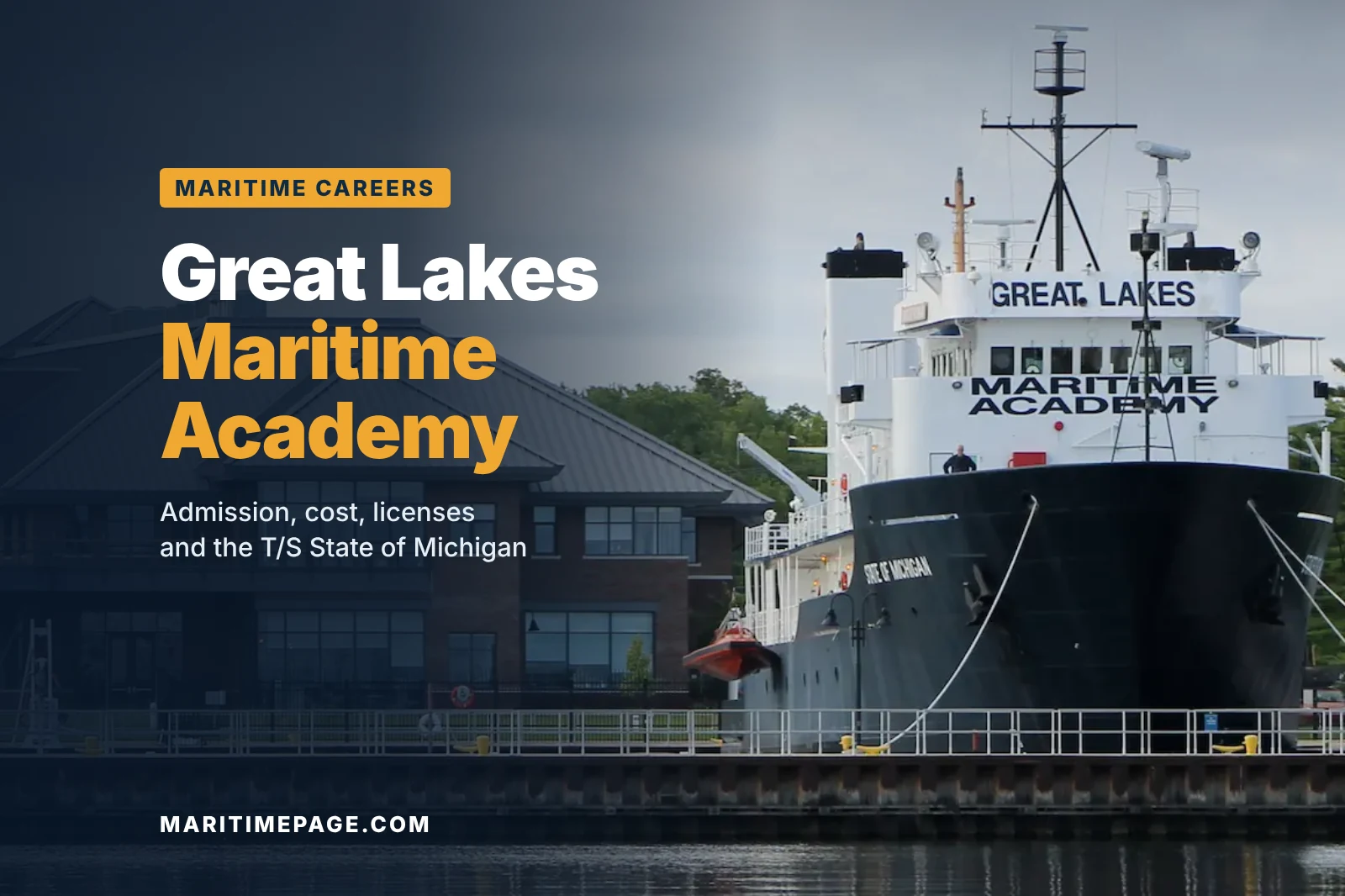
- Great Lakes Maritime Academy: Programs, Cost and Admission – October 14, 2026
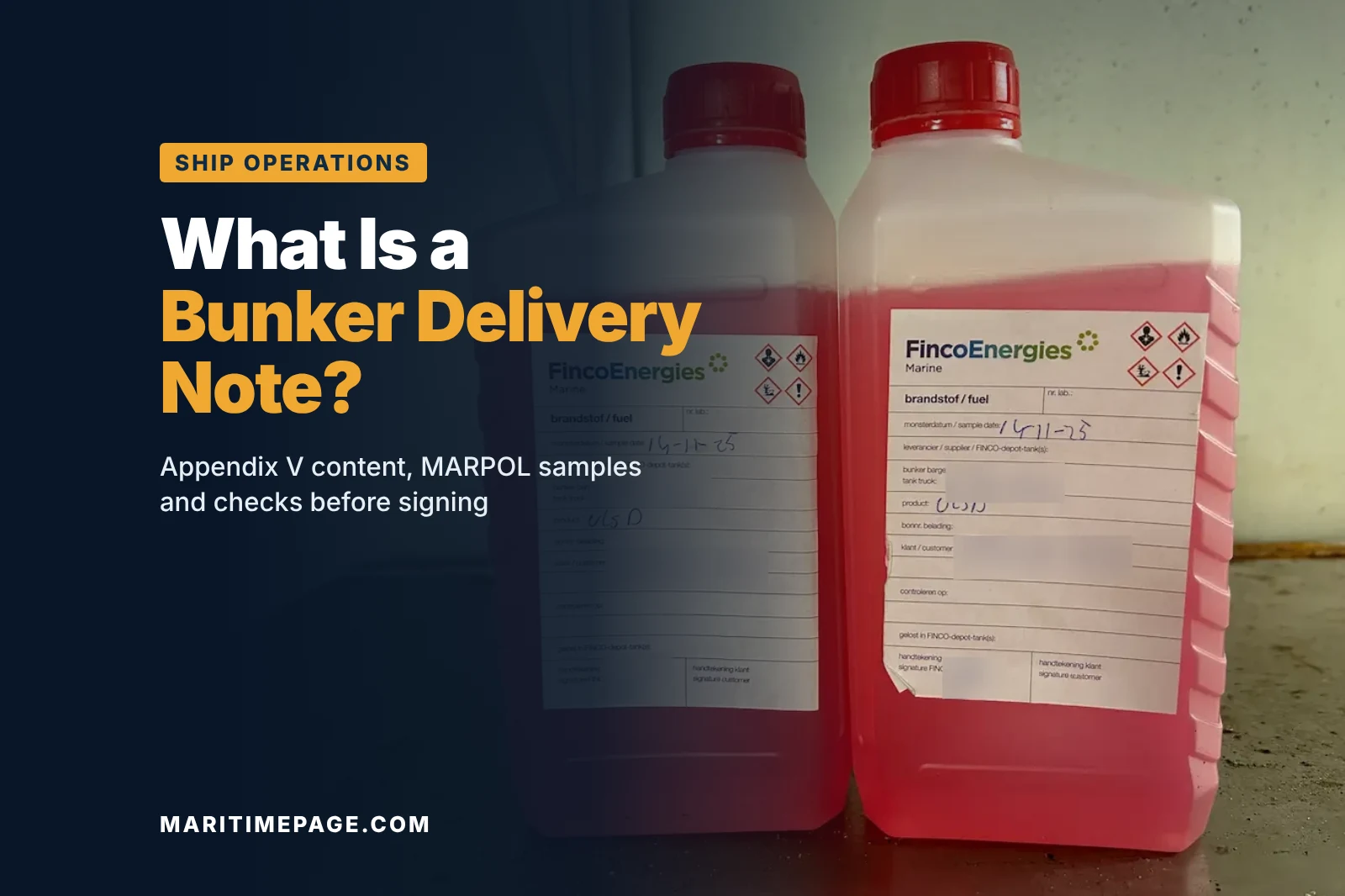
- Bunker Delivery Note (BDN): Contents, MARPOL Rules and Checks – October 11, 2026
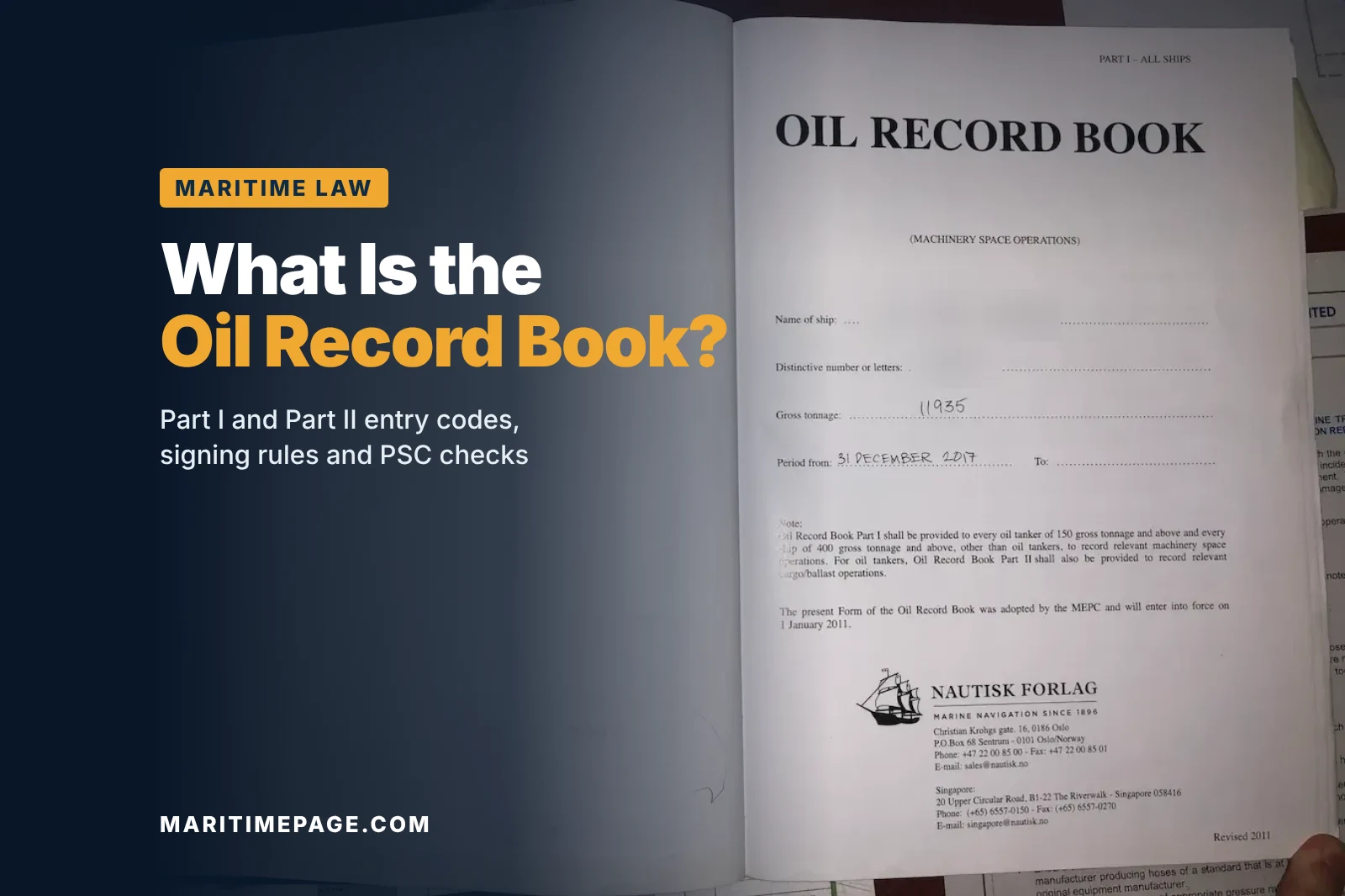
- Oil Record Book: Part I and Part II Entries, Rules and PSC Checks – October 11, 2026