Steering & Maneuvering

  • How Does A Ship Rudder Function On A Vessel?

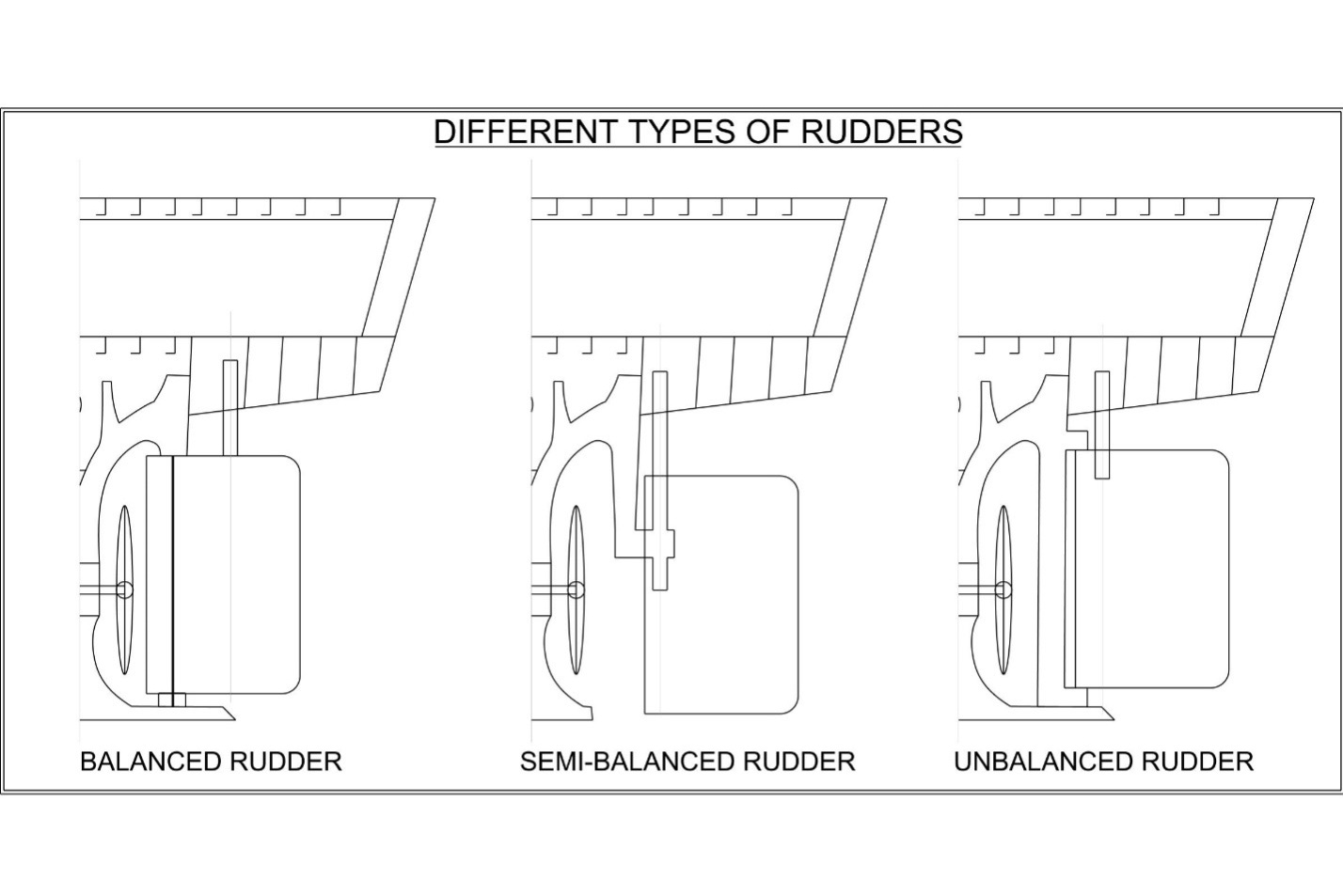
    How Does A Ship Rudder Function On A Vessel?

    Have you ever wondered why every ship has rudders? Why isn’t the ship’s bow (the forward part) equipped with a rudder? Or why is it usually positioned behind the propeller, for that matter? A ship’s rudder is a tool that gives the ship directional control and a way to steer so that it can navigate.…

  • What Is A Ship Trim And Why Trim By Head Is Avoided?

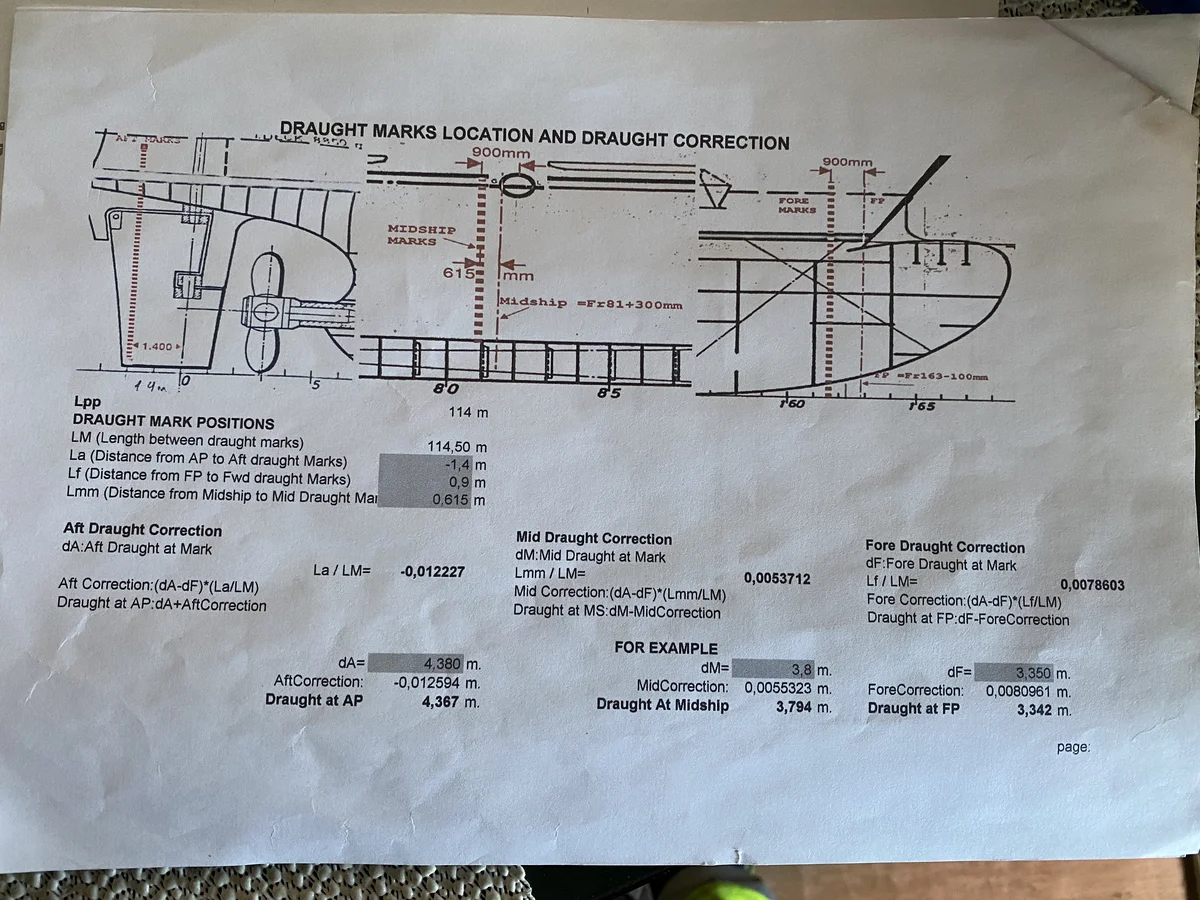
    What Is A Ship Trim And Why Trim By Head Is Avoided?

    Ships operate in a liquid medium- water, which means their profile in the water they operate in determines how they behave. One such profile is the vessel’s trim which will determine the way the forces from the water will affect the vessel’s movement. The vessel’s trim will therefore affect her handling and sea-keeping characteristics as…

  • Intact Stability Criteria For Timber Deck Cargo

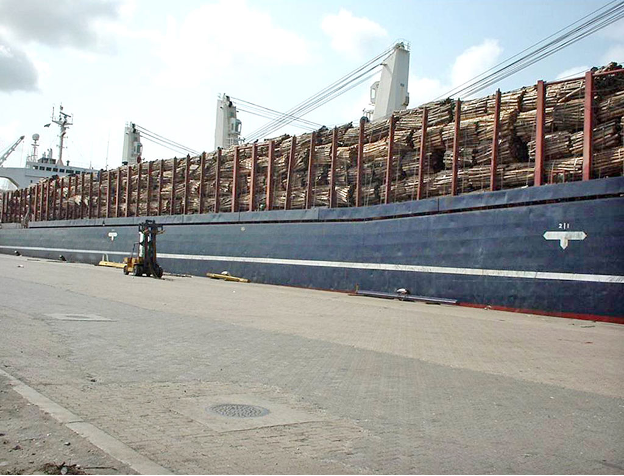
    Intact Stability Criteria For Timber Deck Cargo

    According to naval architects, ships must always be capable of dealing with a wide range of external and internal factors that may affect their seaworthiness and the safety of their crew or passengers. For timber deck cargoes, the stowage and cargo securing arrangements should allow for a safe yet sensible securing of the cargo so…

  • LCB and LCF  – Their Relation To Stability Of A Ship

    LCB and LCF – Their Relation To Stability Of A Ship

    The LCB, the longitudinal center of buoyancy, and the LCF, the longitudinal center of flotation play a huge role in regard to the stability of a vessel. Firstly, let us take a look into what LCB and LCF are and further proceed with their relation to the stability of a vessel. Centre of Buoyancy –…

  • What Is Beaching of A Ship?

    What Is Beaching of A Ship?

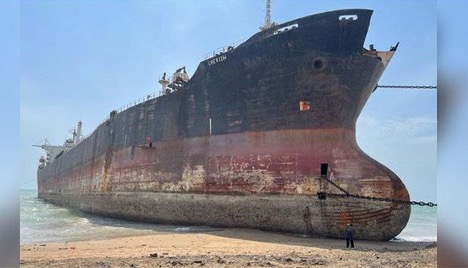
    One of the many tough decisions sometimes required to be taken by shipmasters is deliberately grounding a ship, an act referred to as “beaching”. It is a tough decision because a shipmaster at that time, for safety or commercial reasons, has to take the decision to beach a ship – run his ship aground, an…

  • What Is A Telemotor In Steering Gear Of Ships?

    What Is A Telemotor In Steering Gear Of Ships?

    The telemotor in the steering gear is a hydraulic control system consisting of a receiver, transmitter, pipes, and a charging unit. The transmitter is located on the bridge which is built on the steering wheel console. The bridge commands the transmitter to send a signal to the receiver, which is installed on the steering gear’s…

  • What is Steering Gear in Ships?

    What is Steering Gear in Ships?

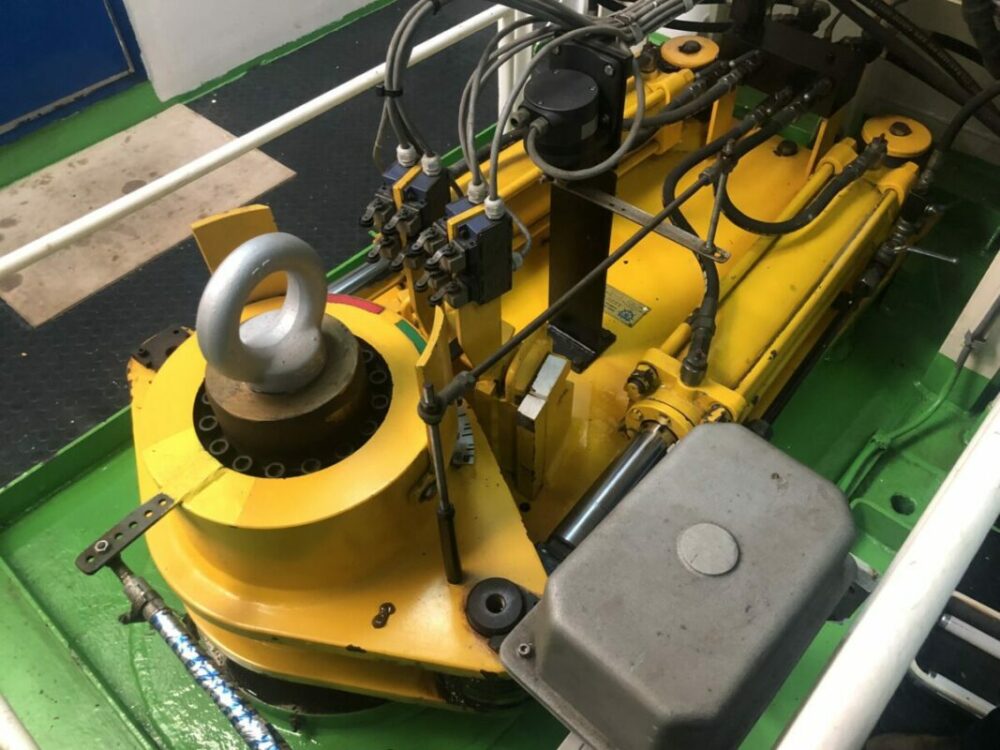
    A steering gear system is a group of equipment working together for the sole purpose of providing direction for the ship while it is moving at sea. The steering gear system allows the ship to turn from the port (left) to starboard (right), starboard (right) to port (left), or hold a certain heading to the…

  • What Is The Center Of Gravity And The Center Of Buoyancy?

    What Is The Center Of Gravity And The Center Of Buoyancy?

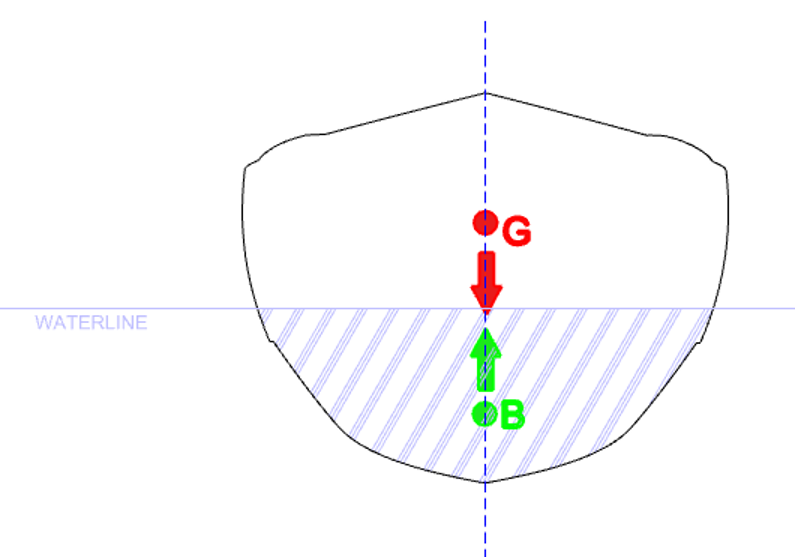
    The center of gravity and the center of buoyancy are both theoretical points in an object. Both these points are often used to represent individual bodies or different parts of the same body in different states of matter, in our case of floating bodies, and are used to study how the forces act on the…

  • Williamson Turn, Anderson, And Scharnov Turn To Rescue Mob

    Williamson Turn, Anderson, And Scharnov Turn To Rescue Mob

    Manoverboard occurs when a person falls in the water while working, is washed by big waves, or because of a simple slip at the side of the ship. Time is of great essence for the crew to respond because the victim may be injured or will most likely suffer from hypothermia due to long exposure…

  • Turning Circle Of Ship – Parts and Characteristics

    Turning Circle Of Ship – Parts and Characteristics

    The ship’s turning circle has it is own characteristics that influence maneuverability and must be taken into account. Maneuvering is the term used to describe the process by which a ship’s movement is controlled when in close proximity to other ships and objects at sea or as it approaches or exits a country’s coastal waters,…