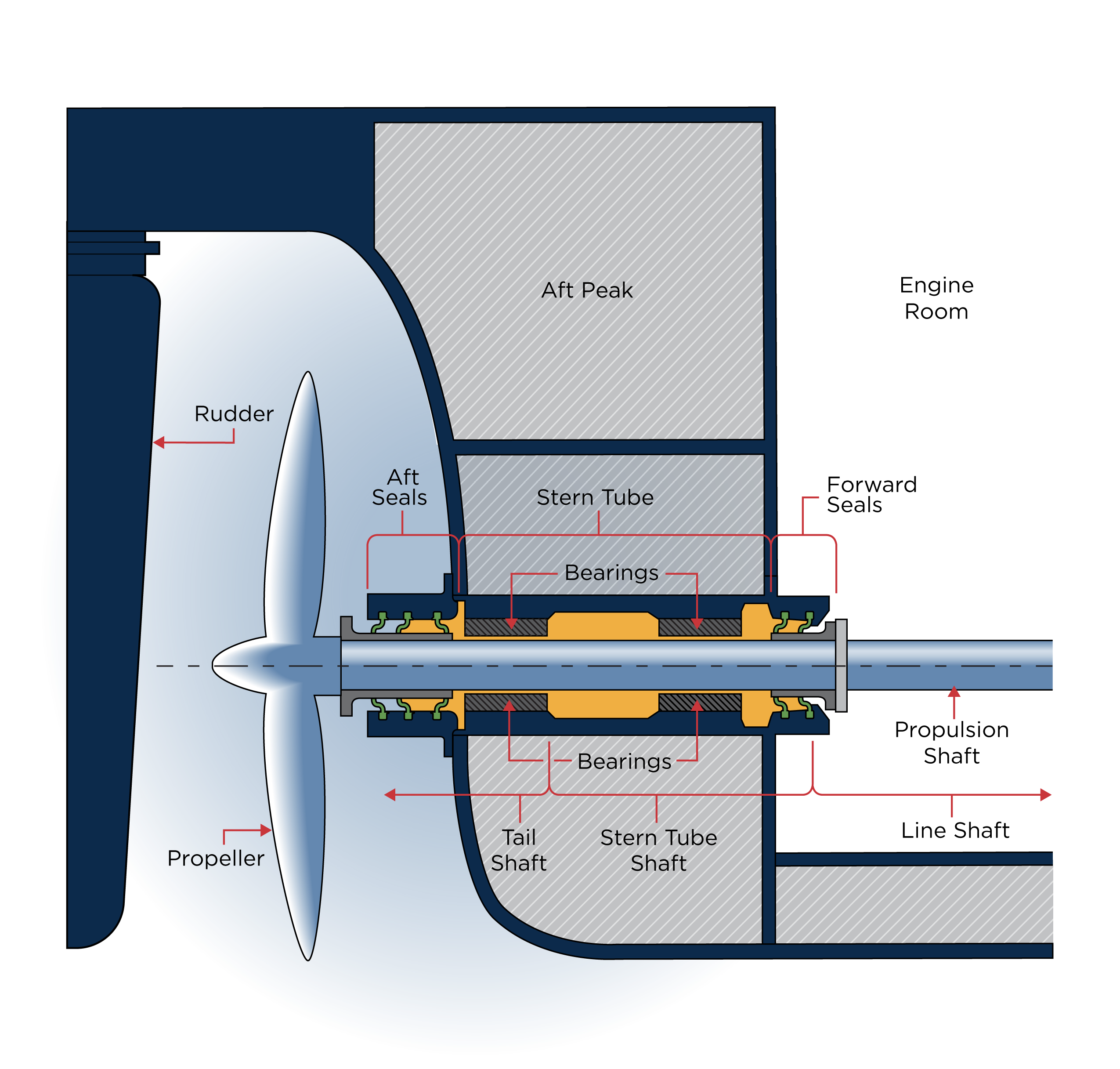
Shafting System in Ships — Components, Alignment & Failures
The shafting system in ships connects the main engine to the propeller, transmitting torque and thrust. Proper alignment and maintenance ensure efficient, vibration-free propulsion.

The shafting system in ships connects the main engine to the propeller, transmitting torque and thrust. Proper alignment and maintenance ensure efficient, vibration-free propulsion.
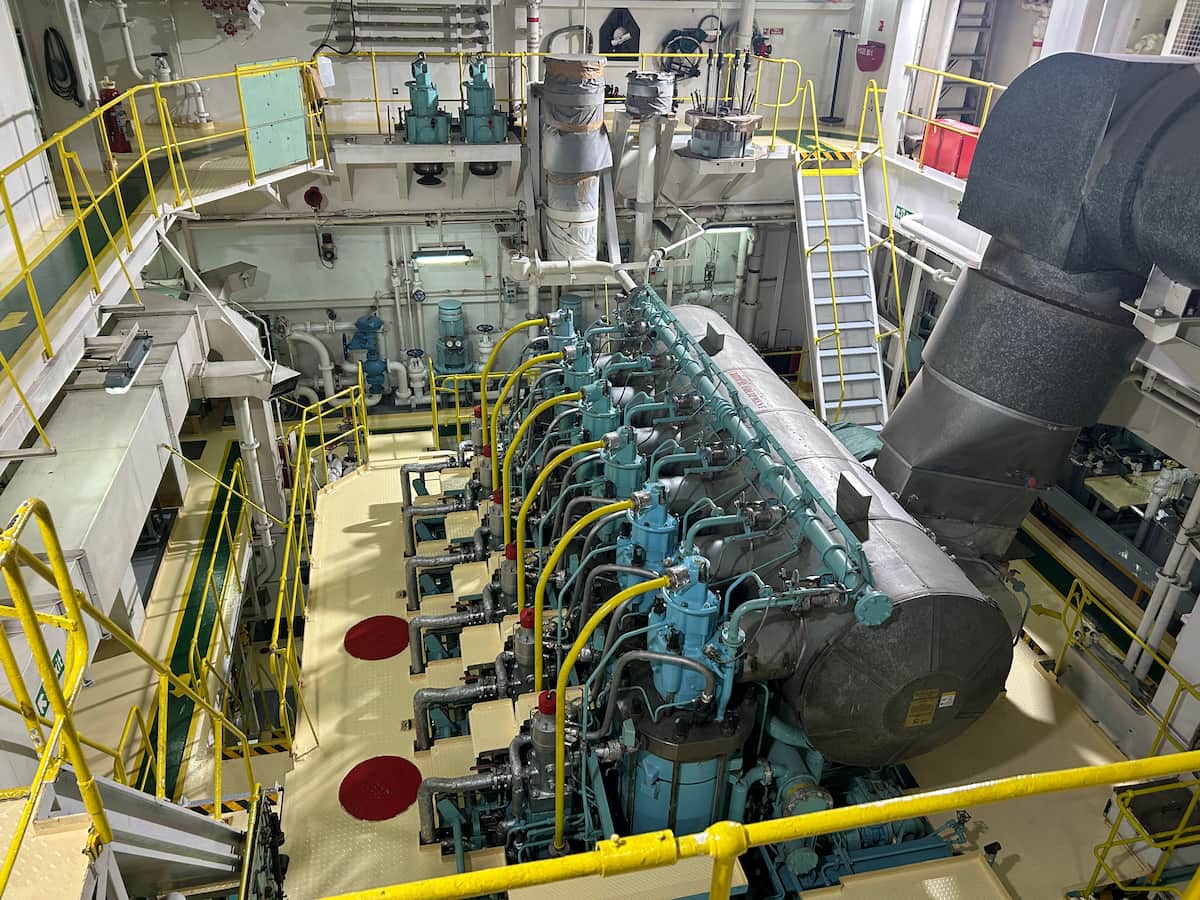
A ship main engine powers propulsion by burning fuel in cylinders, driving pistons and crankshaft. Learn about its types, components, fuels, safety, and regulations in shipping.
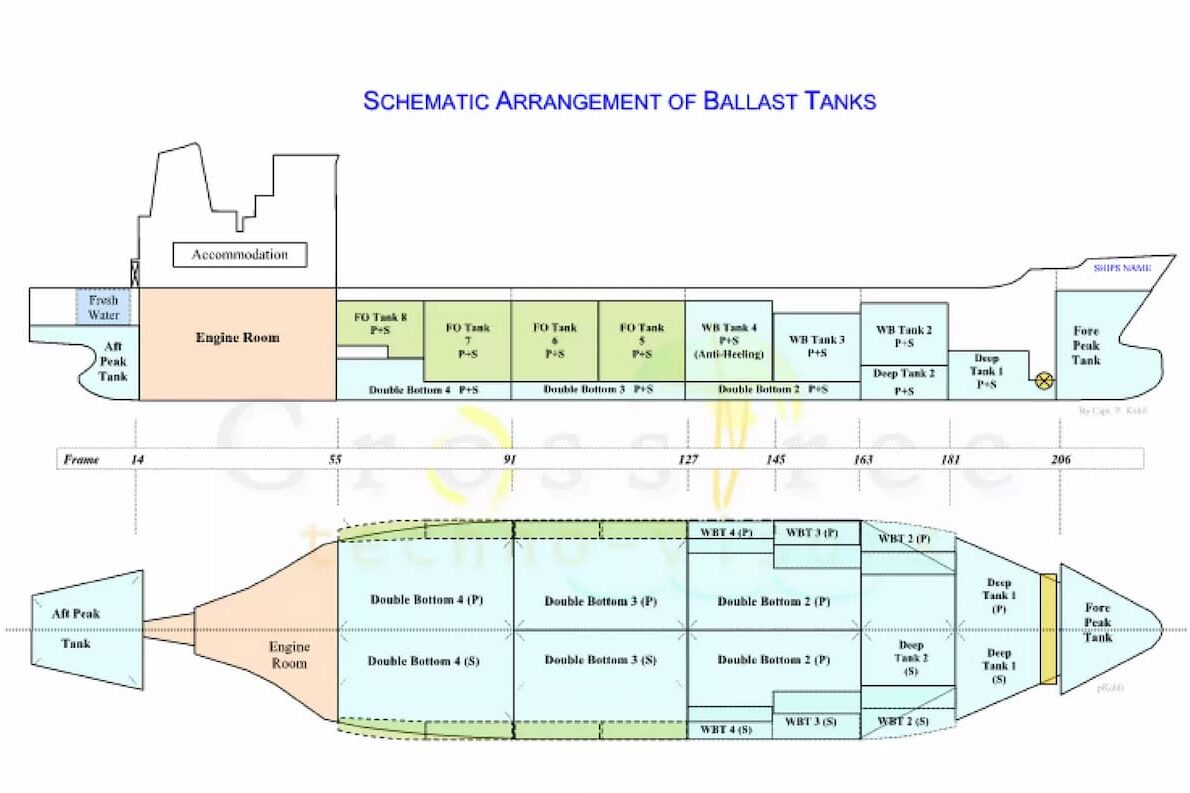
A cargo ship’s ballast system manages seawater intake and discharge to stabilize trim, list, and draft—crucial for safety, fuel efficiency, and legal compliance.
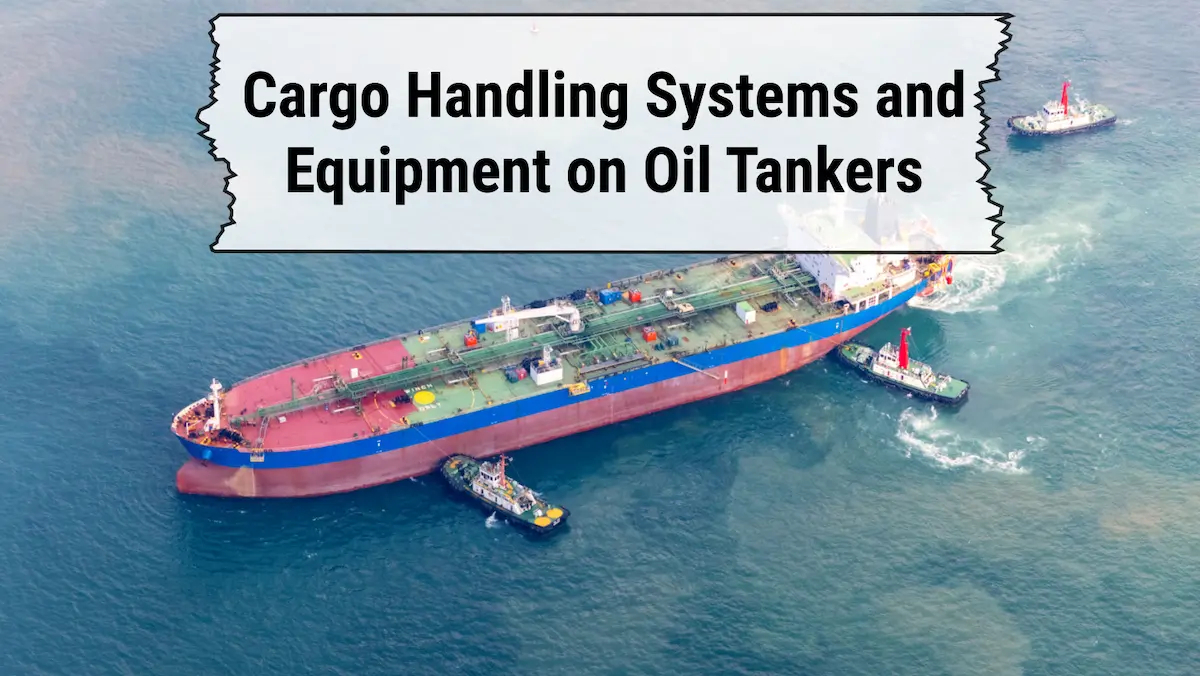
Learn about oil tanker cargo systems, from pumps to safety alarms, ensuring safe oil transfer, storage, and handling through regulated procedures and equipment.
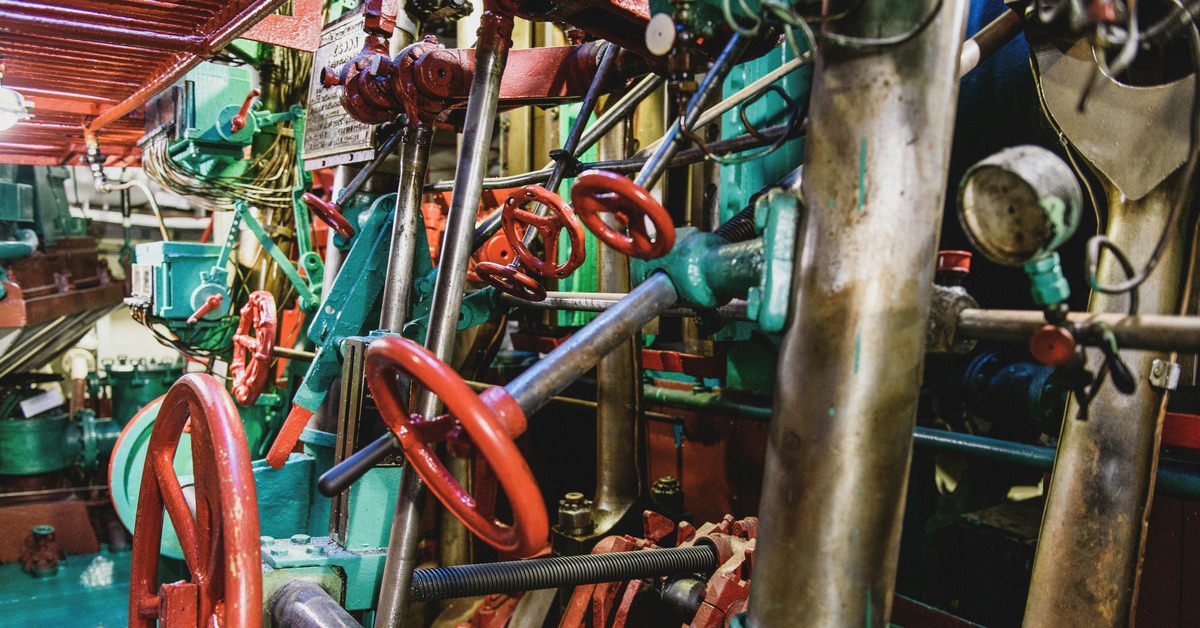
A power outage is among the worst issues for maritime professionals. What happens if a ship loses power?
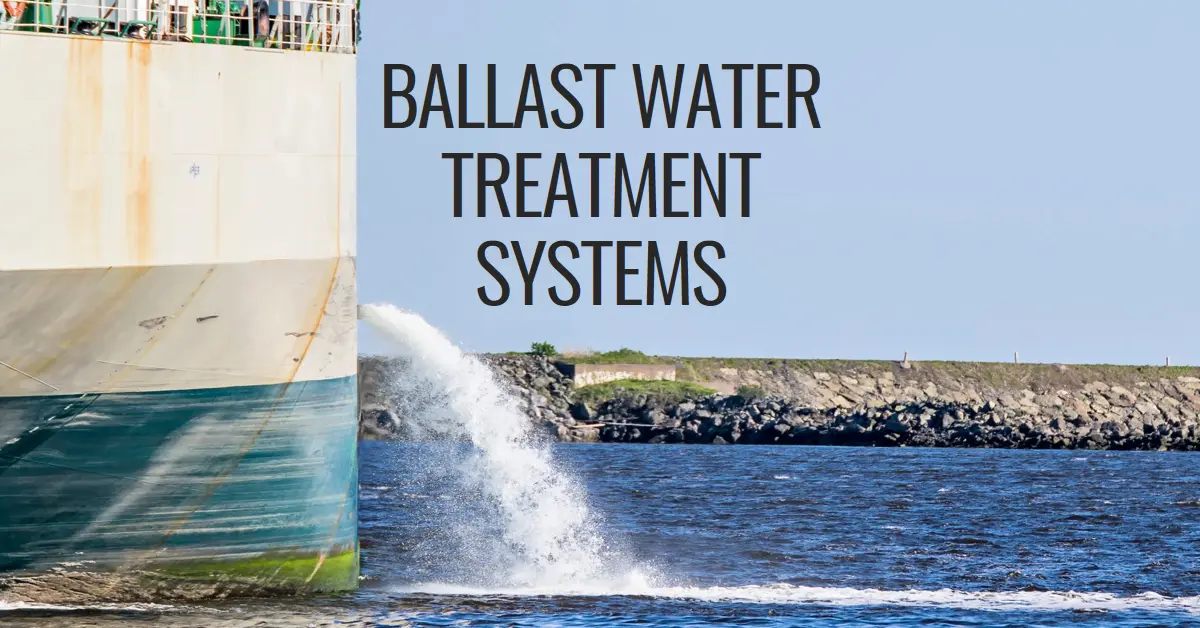
What a ballast water treatment system does, how filtration, UV and electrochlorination work, the IMO D-2 standard, required documents and PSC checks.
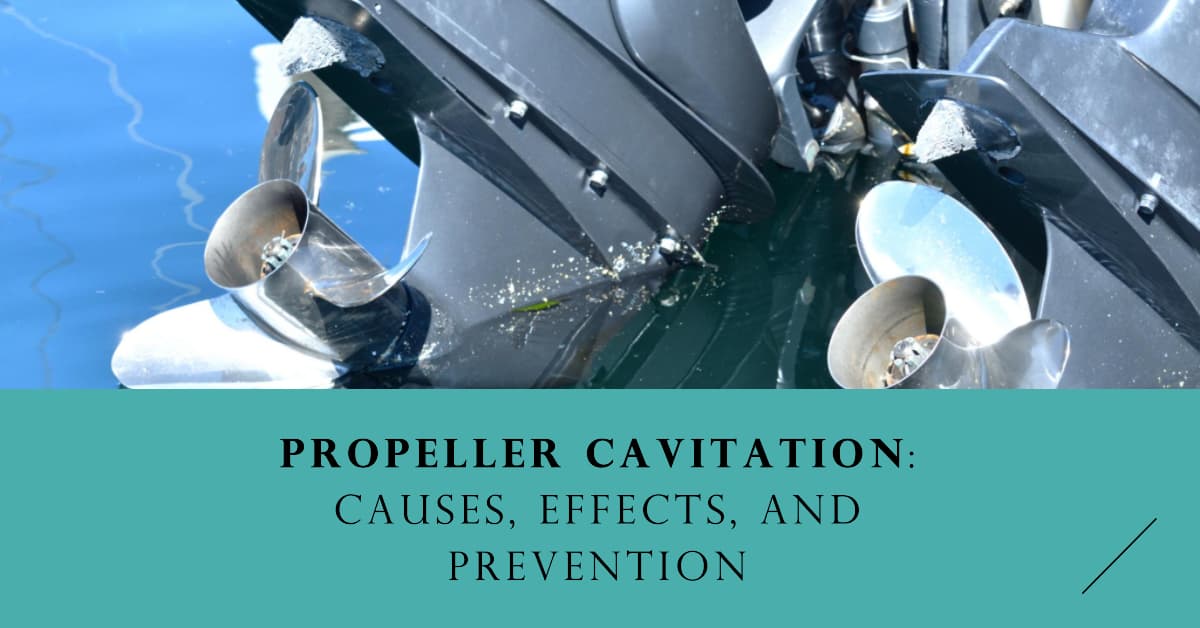
Propeller cavitation is a phenomenon that can cause significant damage to a ship’s propeller and reduce its overall efficiency.
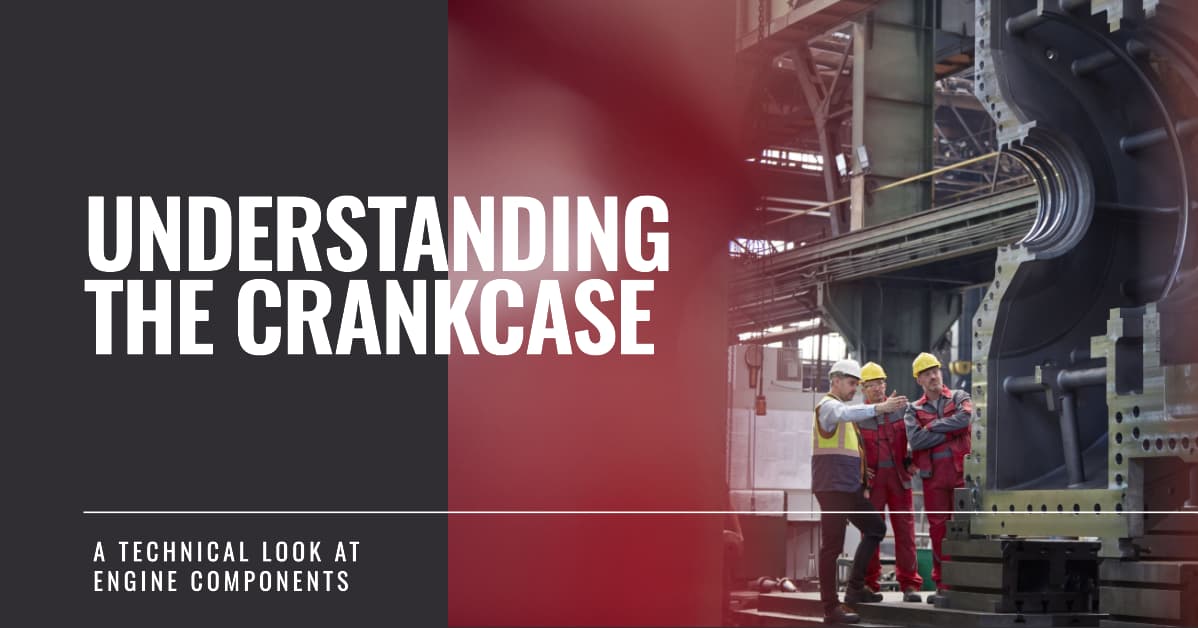
A marine engineer’s guide to crankcase structure, lubrication, and the SOLAS rules behind crankcase explosion relief valves and oil mist detectors on ships.
The Carbon Intensity Indicator (CII) is a measure of how efficiently a ship transports goods or passengers and is given in grams of CO2 emitted per cargo-carrying capacity and nautical mile. The International Maritime Organization (IMO) developed the CII as a rating system for ships, which will be a mandatory measure under the MARPOL Annex…
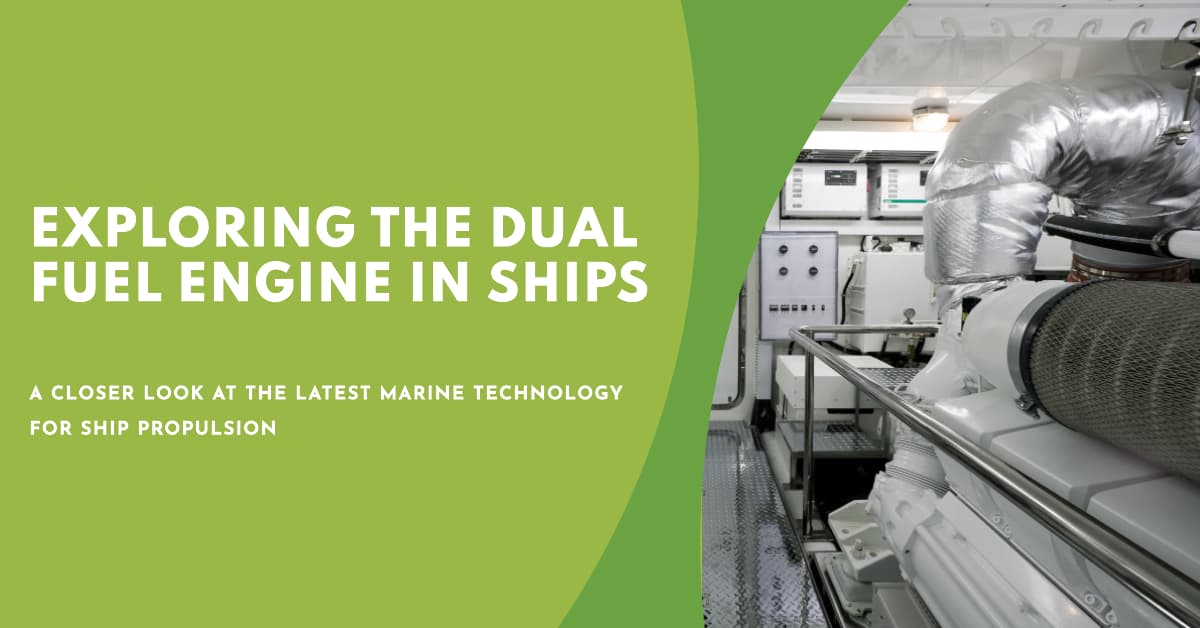
A dual-fuel engine burns two fuels — a gaseous primary fuel and marine diesel as the pilot charge or fallback mode. The technology has shifted from a niche solution for LNG carriers to the dominant propulsion choice for new container ships, cruise vessels, and tankers. MARPOL Annex VI Regulation 13 NOx limits and the IMO…