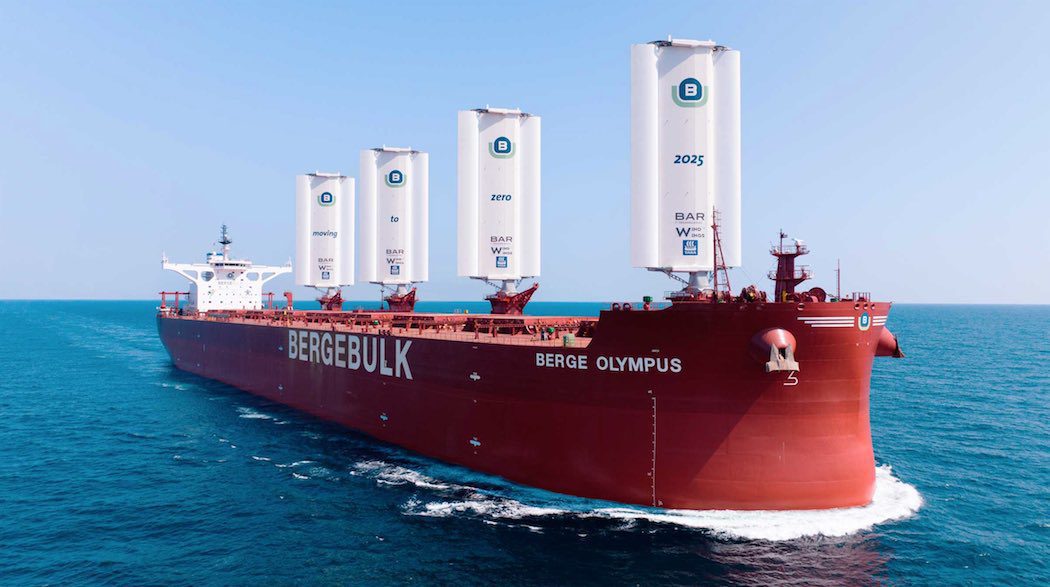
Wind-Assisted Propulsion Systems (WAPS): A Game Changer for Maritime Decarbonization
Wind-Assisted Propulsion Systems (WAPS) offer a powerful solution by harnessing wind energy to reduce fuel consumption and emissions.

Wind-Assisted Propulsion Systems (WAPS) offer a powerful solution by harnessing wind energy to reduce fuel consumption and emissions.
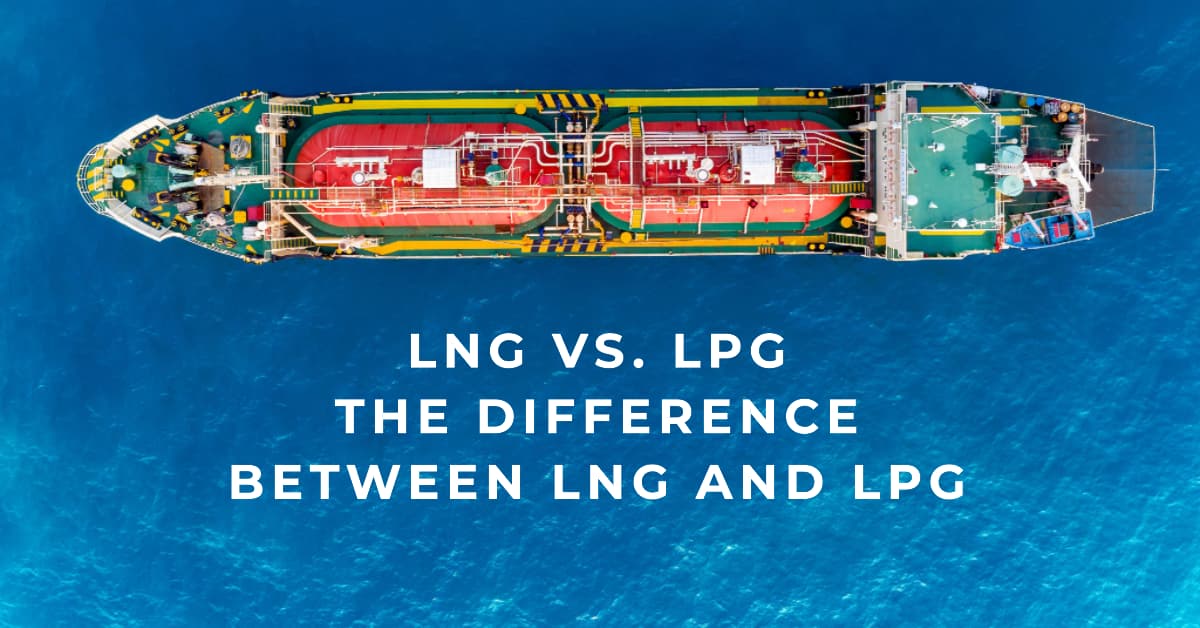
LNG and LPG play vital roles in maritime transport. Learn about their unique storage, transport methods, and how each fuel impacts shipping efficiency and sustainability.
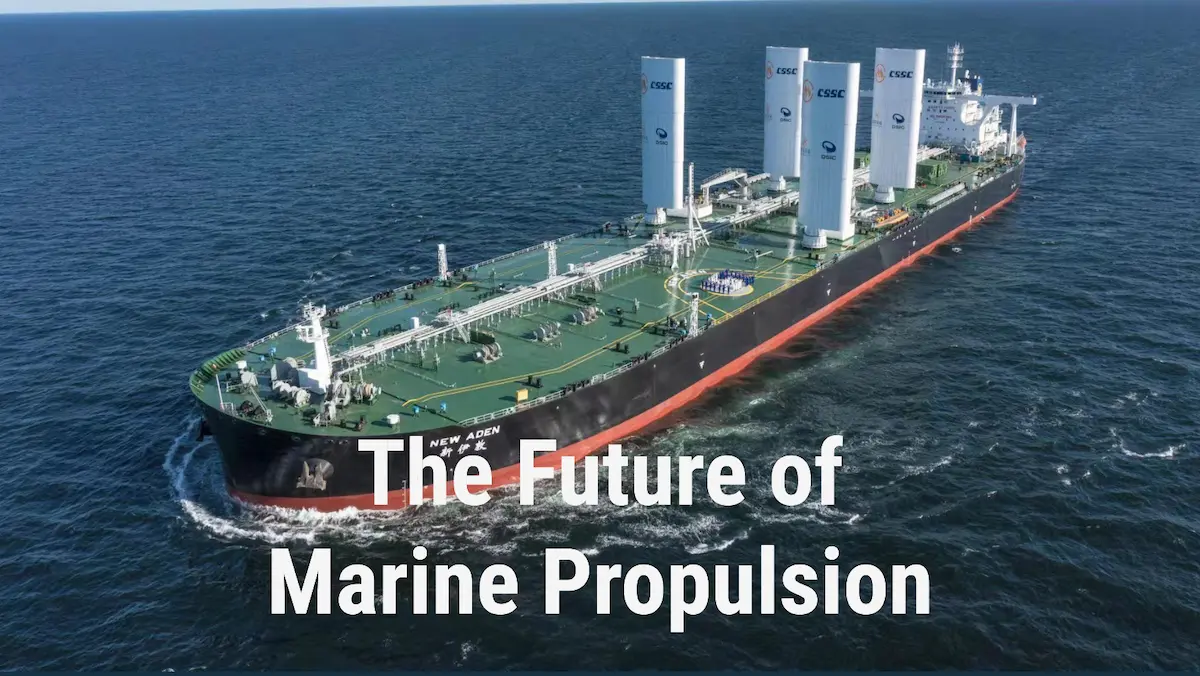
Explore the future of marine propulsion with electric, hybrid, and wind-assisted systems. Discover how these technologies reduce emissions and improve efficiency.
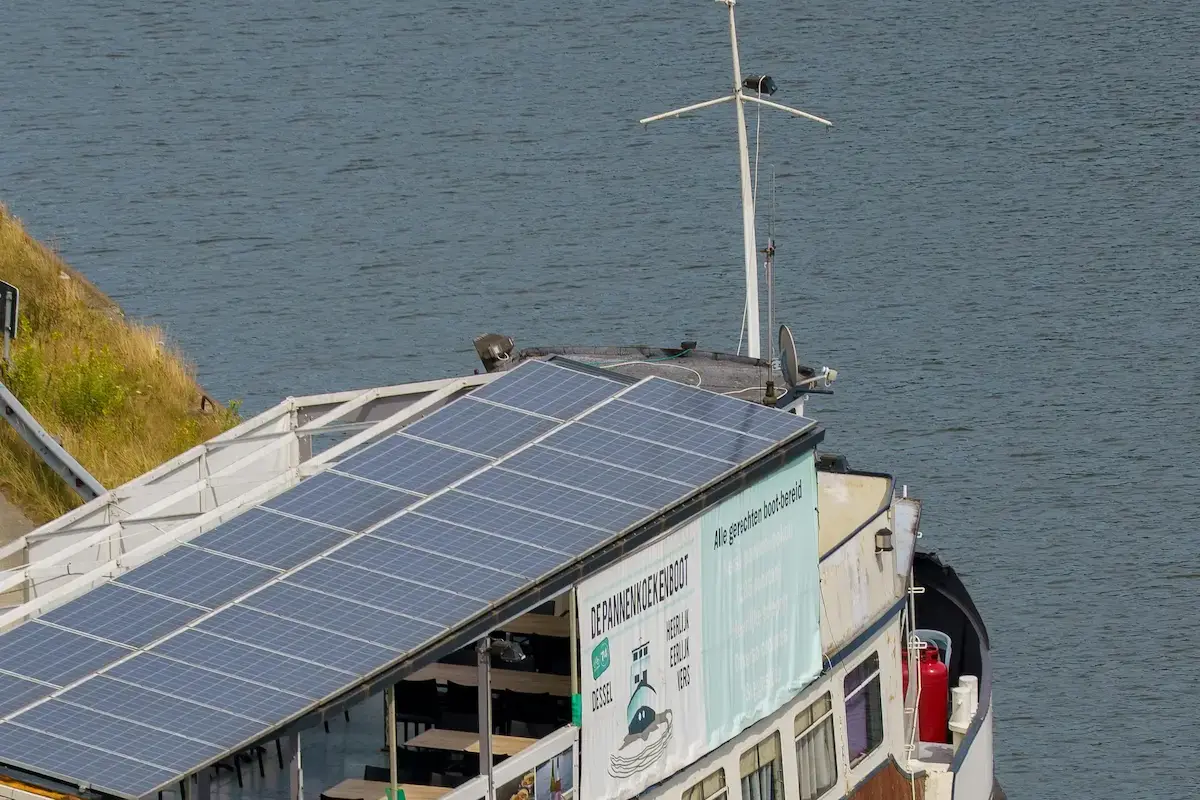
Marine solar panels are photovoltaic systems adapted for the saltwater environment, capable of supplying auxiliary power to vessels ranging from offshore yachts to commercially operated coastal ships. This page covers panel technology, sizing calculations, installation requirements, classification society approval, and how solar PV contributes to CII and EEXI compliance for commercial operators. The gap between…
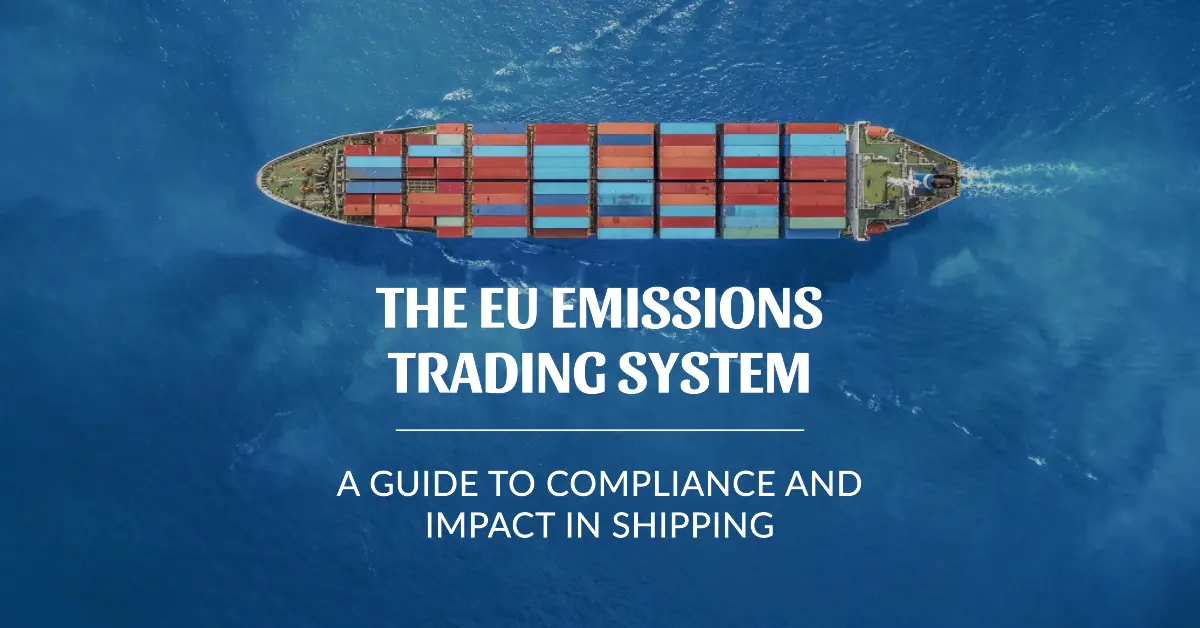
Explore the impact and compliance strategies for the EU Emissions Trading System in shipping, vital for shipowners and charterers preparing for 2024 regulations.
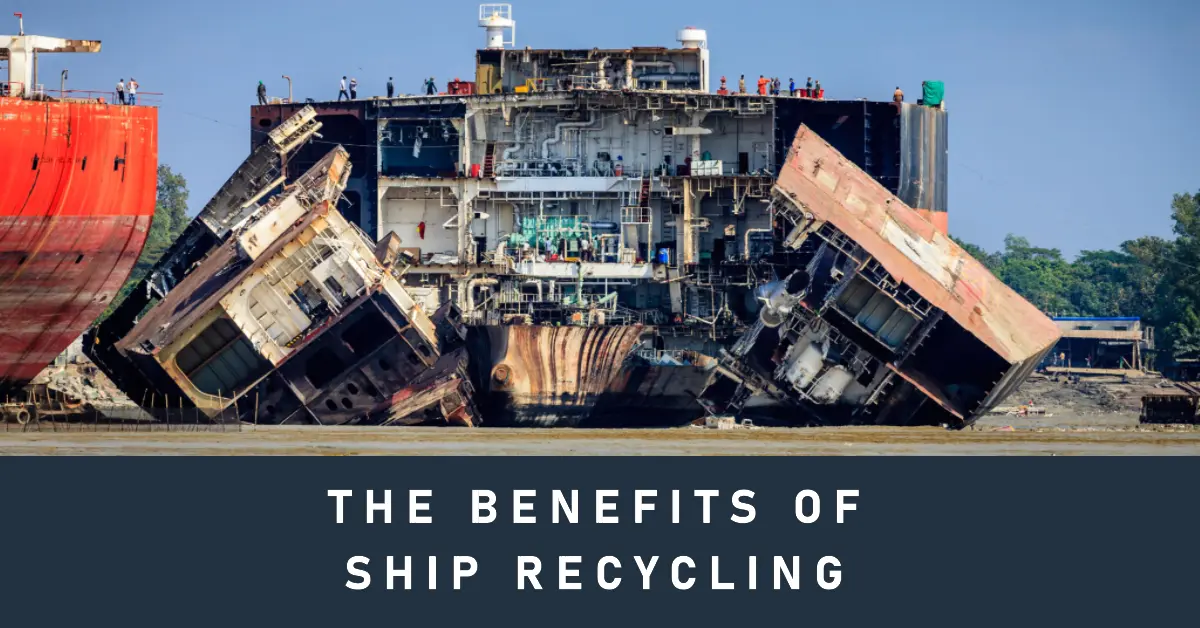
Ship recycling is an important aspect of the maritime industry that has gained significant attention in recent years.
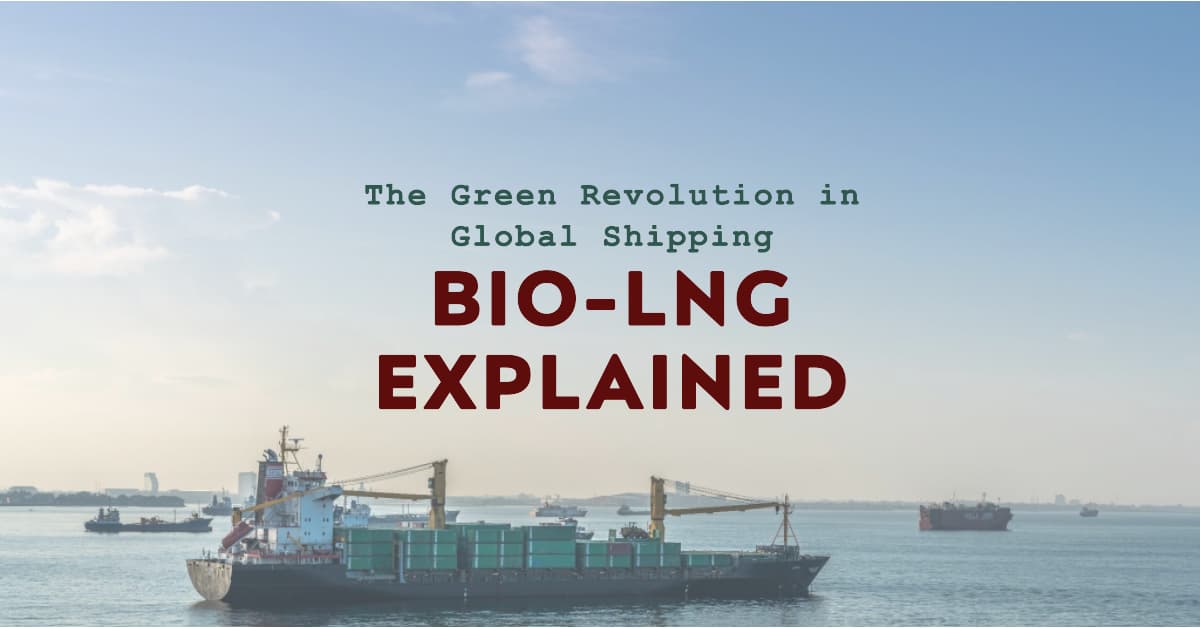
A renewable drop-in for fossil LNG: how bio-LNG is produced, what it actually does for emissions, and where it stands under FuelEU Maritime and IMO rules.
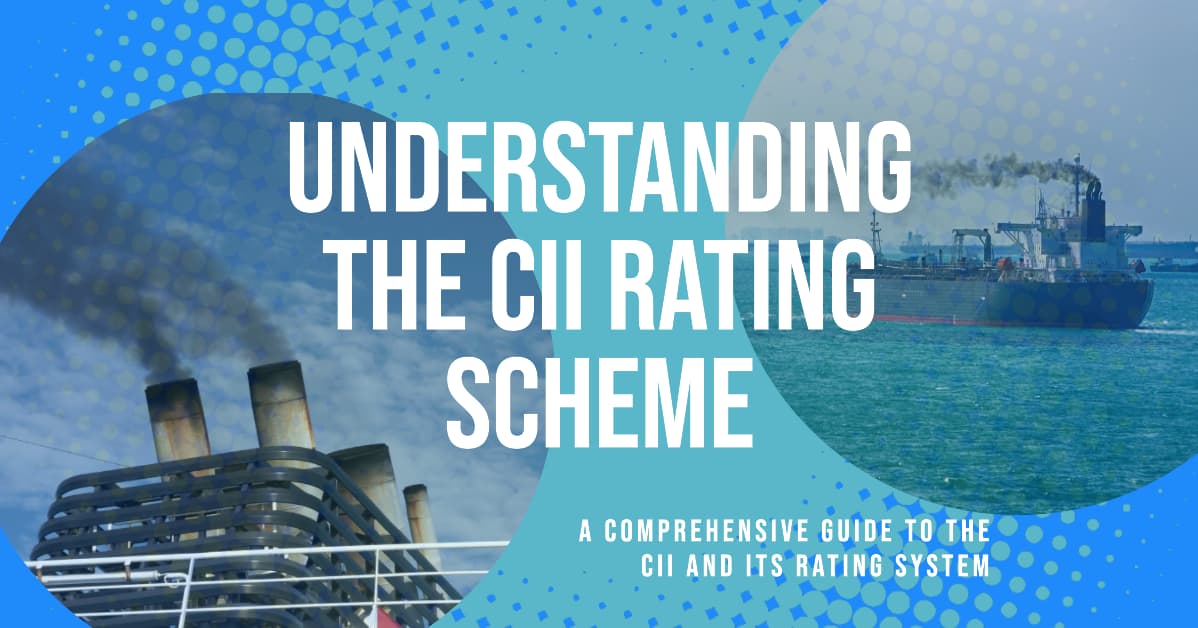
The Carbon Intensity Indicator (CII) is a measure of how efficiently a ship transports goods or passengers and is given in grams of CO2 emitted per cargo-carrying capacity and nautical mile. The International Maritime Organization (IMO) developed the CII as a rating system for ships, which will be a mandatory measure under the MARPOL Annex…
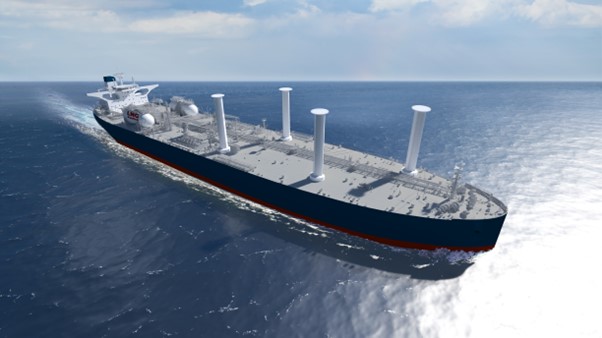
Imagine reducing the shipping industry’s carbon footprint by a significant margin while also saving on fuel costs. How, you ask? Welcome to the future of sustainable shipping – Rotor Sails. These engineering marvels employ the Magnus effect to generate propulsion, offering a green alternative in an industry traditionally dominated by fossil fuels. Our in-depth exploration…
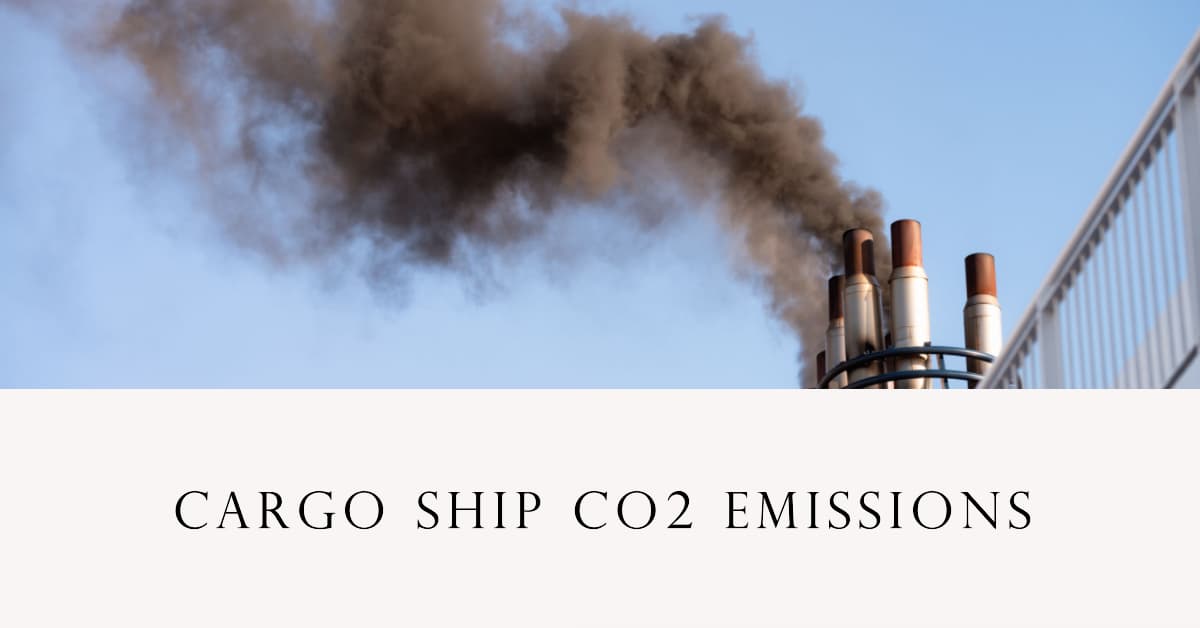
Cargo ships are responsible for significant amounts of carbon dioxide emissions, with estimates suggesting that cargo ship CO2 emissions account for around 3% of global greenhouse gas emissions. While this may seem relatively small compared to other modes of transportation, it is important to note that cargo ships are responsible for transporting around 90% of…