Ship Design & Construction

  • Carbon Fiber Vs Fiberglass: The Main Differences And Comparisons

    Carbon Fiber Vs Fiberglass: The Main Differences And Comparisons

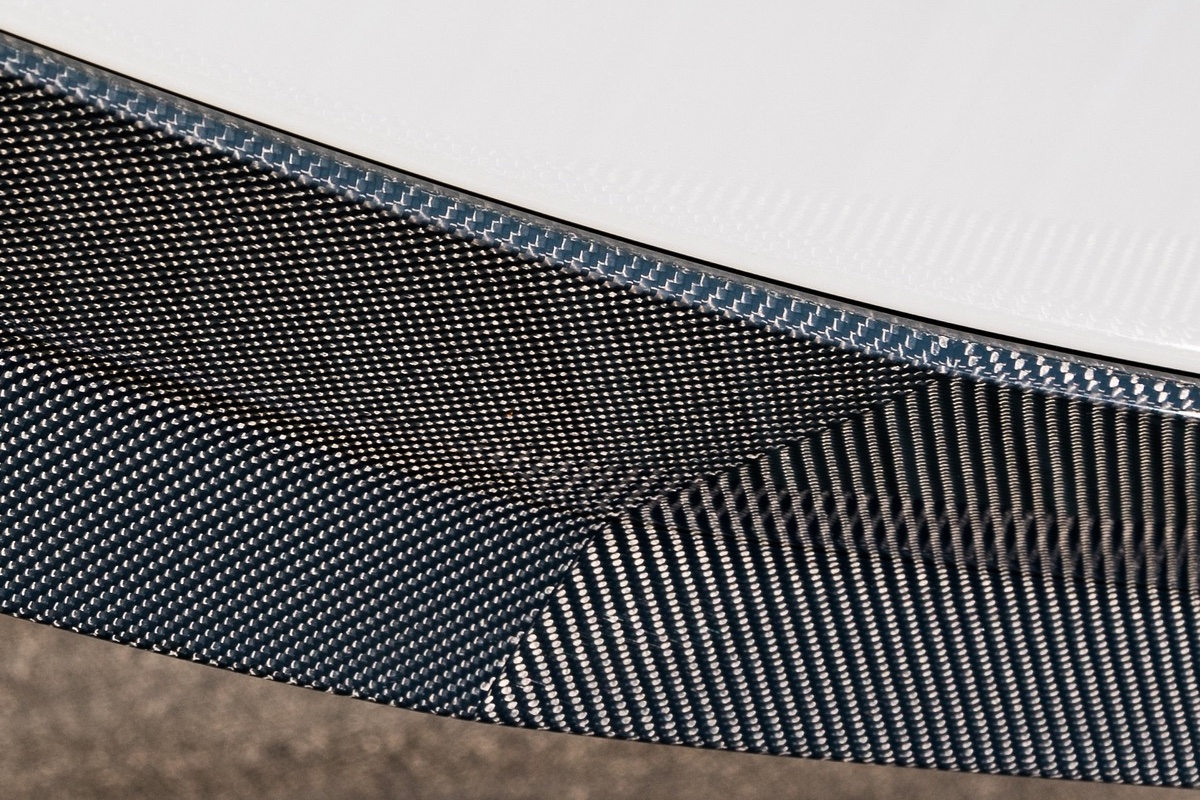
    Can you identify the difference between and compare carbon fiber vs fiberglass? Contrary to what many people think, they are not the same thing. Both carbon fiber and fiberglass are composite reinforcing materials. Although both carbon fiber and fiberglass are composite materials, the fundamental distinction between the two is that while carbon fiber is created…

  • Why Ships Are Painted Red Below The Waterline.

    Why Ships Are Painted Red Below The Waterline.

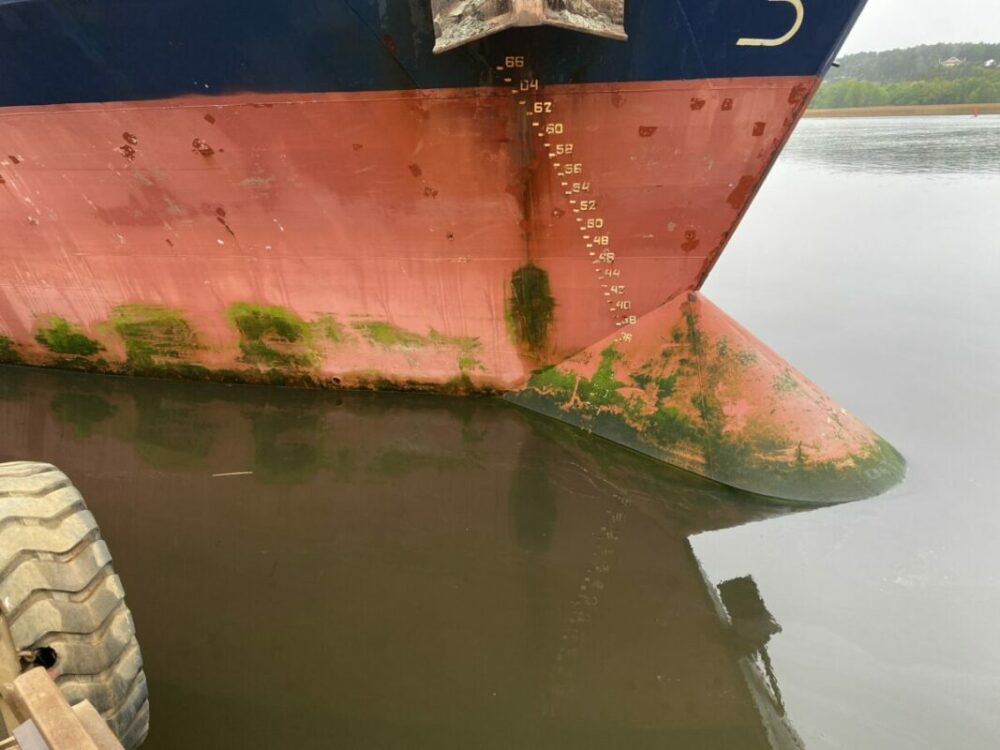
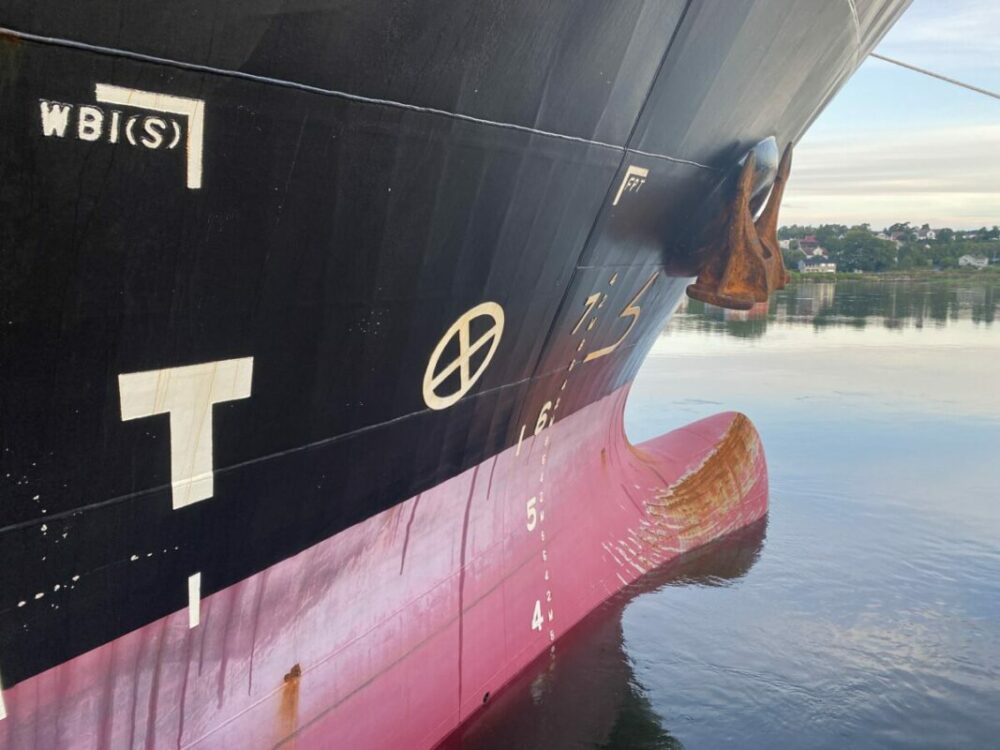
    Ships traveling through water create resistance to their forward motion. This resistance is called drag and is caused by the water molecules clinging to the ship’s hull and slowing it down.  Frictional drag increases when the hull is fouled by marine growth. Historically, it was believed that painting ships below the waterline with copper coating…

  • What Are The Different Types of Hatch Covers On Ships?

    What Are The Different Types of Hatch Covers On Ships?

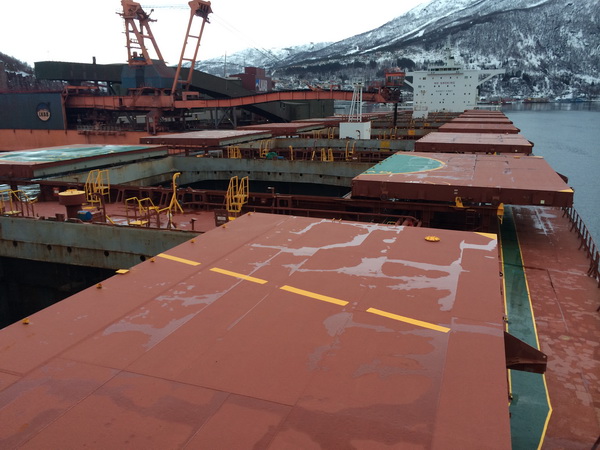
    An implied condition for the safe carriage of goods at sea is that such cargoes shall be delivered, as far as possible, in as good condition and order as it was when received aboard. One way to achieve safe carriage of goods by sea transport is to protect cargoes from the elements, by loading them…

  • What Is The Draft Or Draught Of A Ship?

    What Is The Draft Or Draught Of A Ship?

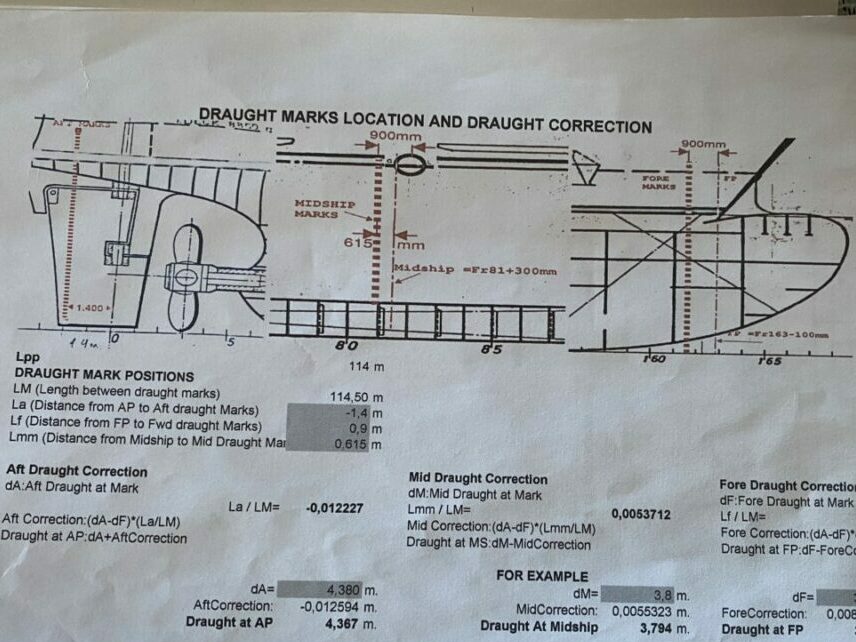
    A ship’s ability to navigate safely through a particular area of water depends on how the ship “sits” in the water, in other words, her underwater profile. Her underwater profile which is dependent on her draught determines how much cargo she can load. The draught of a ship determines her displacement, particularly how much underwater…

  • How Are Ships Prepared For Drydocking?

    How Are Ships Prepared For Drydocking?

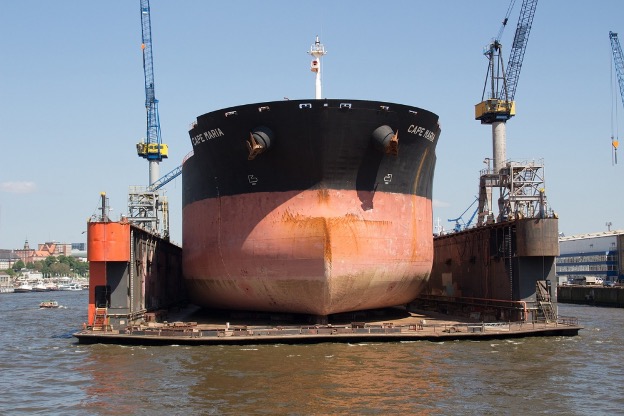
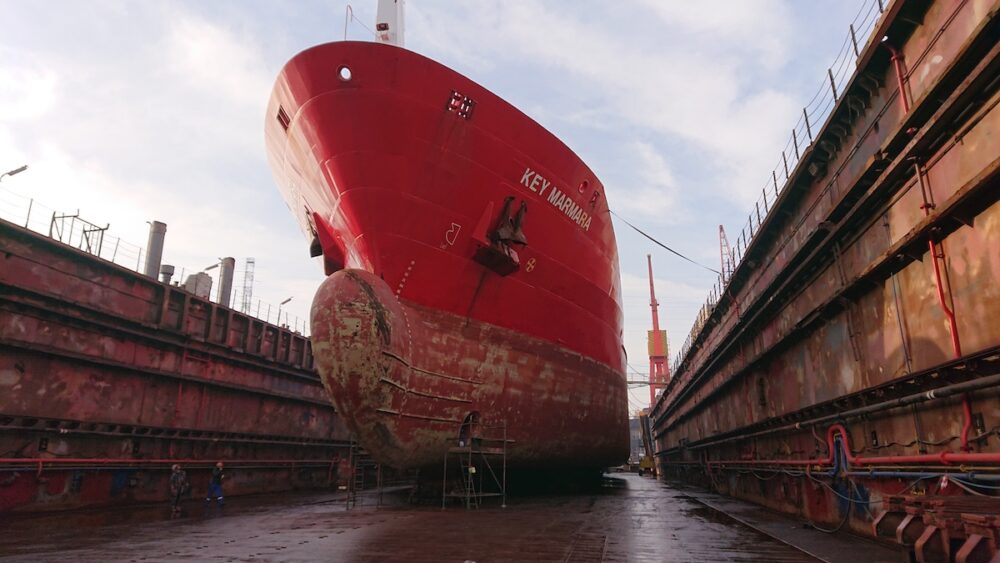
    The efficiency of a ship is determined by how well all the ship’s machinery and operating systems are maintained. To ensure such conditions are maintained, SOLAS Chapter-I Regulation-10, stipulates that all active ships in the 100A5 category must undergo a bottom survey twice every 5 years. In addition, merchant vessels older than 15 years must…

  • Stern Of A Ship – What Is It and Different Types

    Stern Of A Ship – What Is It and Different Types

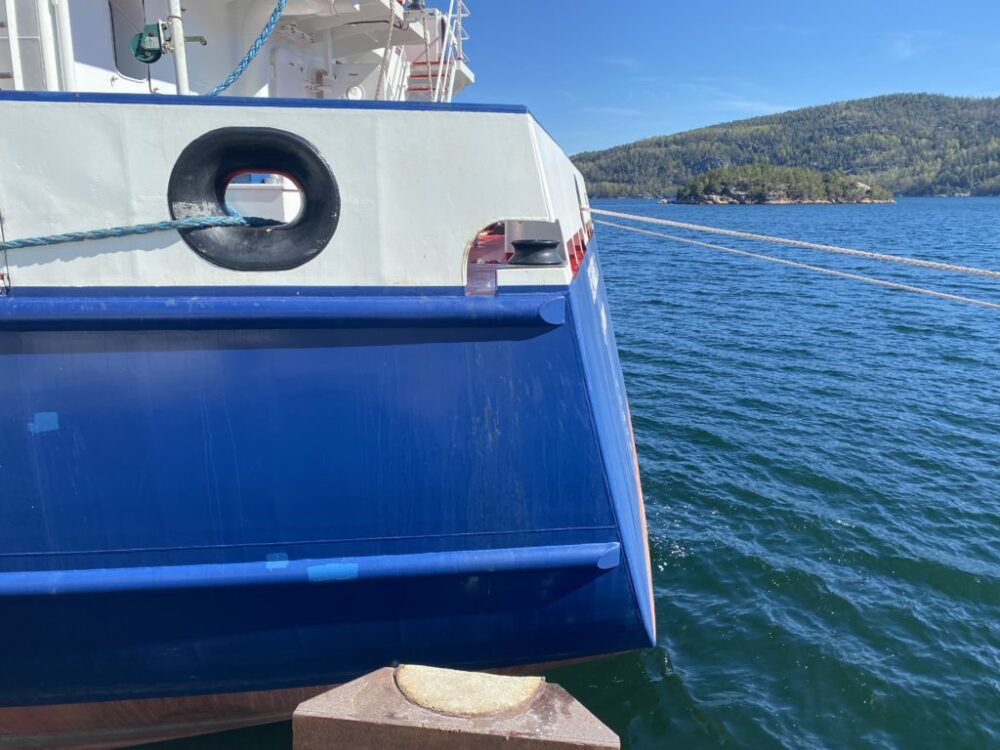
    The stern can be defined as the aftmost section of a vessel. It is the backmost part of a vessel that serves a lot of functions. The stern is designed not only for the vessel’s aesthetics but plays a major role in functionality also. From the basic function of housing navigation lights to advanced hydrodynamic…

  • What is Keel on Ships and Boat? Types of Keel Explained!

    What is Keel on Ships and Boat? Types of Keel Explained!

    The keel of a boat is an essential part of the structure of a vessel. It keeps the vessel stable and prevents the vessel from being overturned into water. The keel of a vessel is typically found at the bottom of a vessel, mostly a fin-like structure, that rests on the seabed, progressing downwards from…

  • Ship Hull Construction – Main Plans And Drawings

    Ship Hull Construction – Main Plans And Drawings

    One aspect of a ship that needs additional consideration during design and construction is the hull. In the development of naval architecture, hull designs have gone from cylindrical wooden shanks to steel columns over time. To provide higher structural strength, engineers have been improving hull designs regularly. A variety of forces are working simultaneously on…