Maritime Safety

  • Dangerous Goods Spillage on Ships: Onboard Emergency Response by IMDG Class

    Dangerous Goods Spillage on Ships: Onboard Emergency Response by IMDG Class

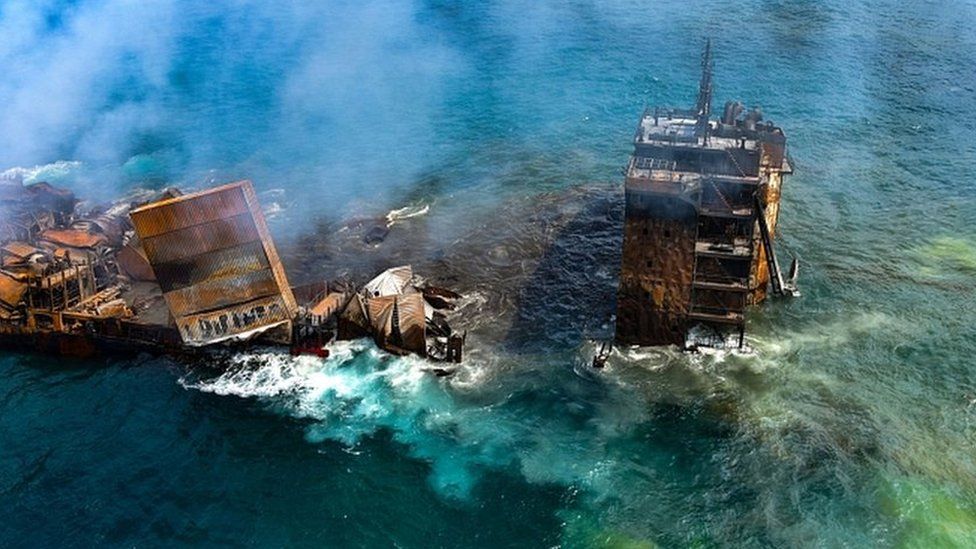
    A dangerous goods spillage is not a drill scenario — it is a shipboard emergency with regulatory, operational, and environmental consequences that begin the moment the spill is detected. The correct response depends on the IMDG class of the substance involved, and the correct reference document is not SOPEP. SOPEP covers oil pollution from machinery…
  • What Is IMDG Dangerous Cargo Manifest?

    What Is IMDG Dangerous Cargo Manifest?

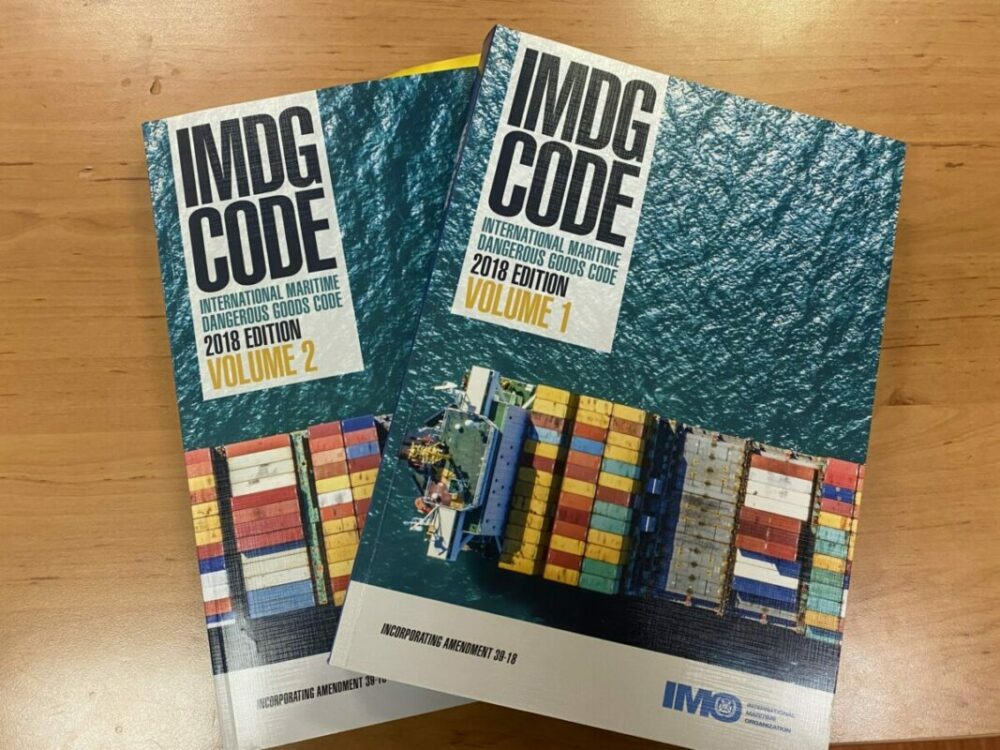
    Did you know that more than 50% of cargo transported by sea falls under the hazardous goods category? Dangerous goods exist in liquid, solid, or gaseous forms. They all pose a danger in different ways and extents. Thus, the International Maritime Standards exist to facilitate safety in handling cargo. The International Maritime Organization (IMO), formed…

  • What Is A Fire Wire On A Ship?

    What Is A Fire Wire On A Ship?

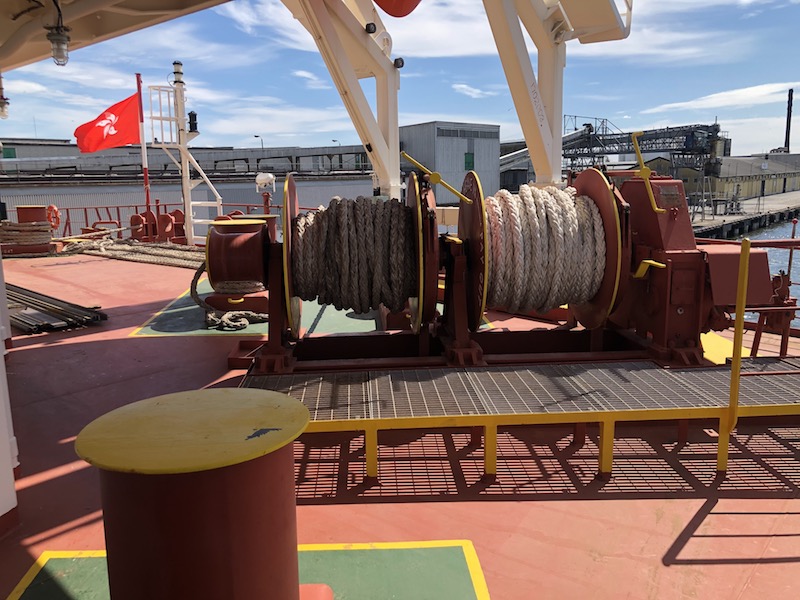
    There are times when a ship needs to dock at a particular berth terminal. She will either load/discharge a cargo, take in provisions or do bunkering procedures. When at the port, there is also a risk for a vessel to catch fire or have an explosion and this is likely to happen on tanker vessels.…

  • What is Transportable Moisture Limit & Flow Moisture Point?

    What is Transportable Moisture Limit & Flow Moisture Point?

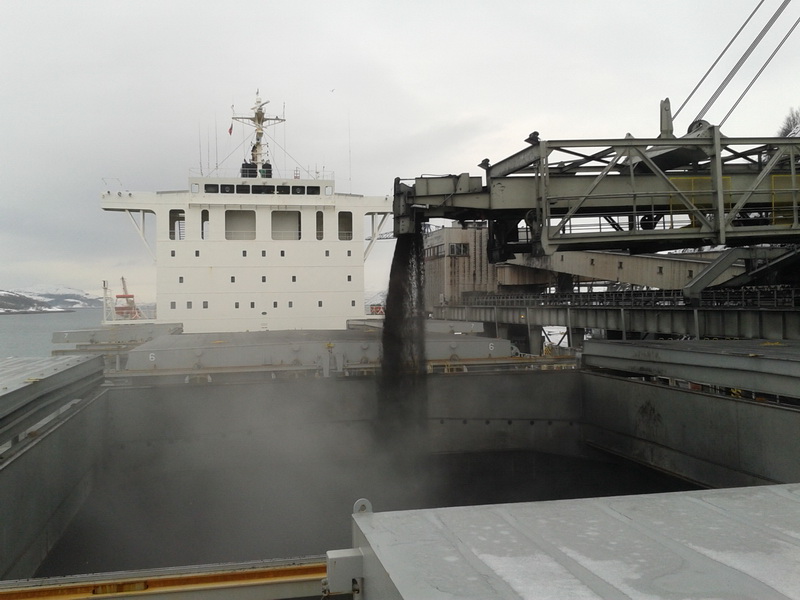
    The phenomenon of dry bulk cargo liquefaction is now receiving much attention from industry stakeholders because it has now been recognized as a major hazard for bulk carriers. Liquefaction is an interplay between Transportable Moisture Limit (TML) and Flow Moisture Point (FMP). The IMO’s International Maritime Solid Bulk Goods Code (IMSBC) now provides recommendations on…