Spring Tides: A Dance of Gravitational Forces
Explore the captivating world of spring tides and their profound effects on coastal areas and marine ecosystems. Gain insights now!
Explore the captivating world of spring tides and their profound effects on coastal areas and marine ecosystems. Gain insights now!
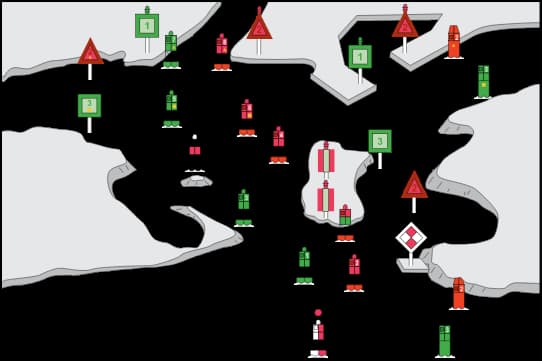
Waterways can be tricky to navigate, especially when you’re not familiar with the area. Lateral markers are essential aids that help boaters navigate safely through channels and avoid potential hazards. This comprehensive guide will explore the different types of lateral markers, their purpose, and how they indicate safe passage, the direction of navigation, and hazardous…
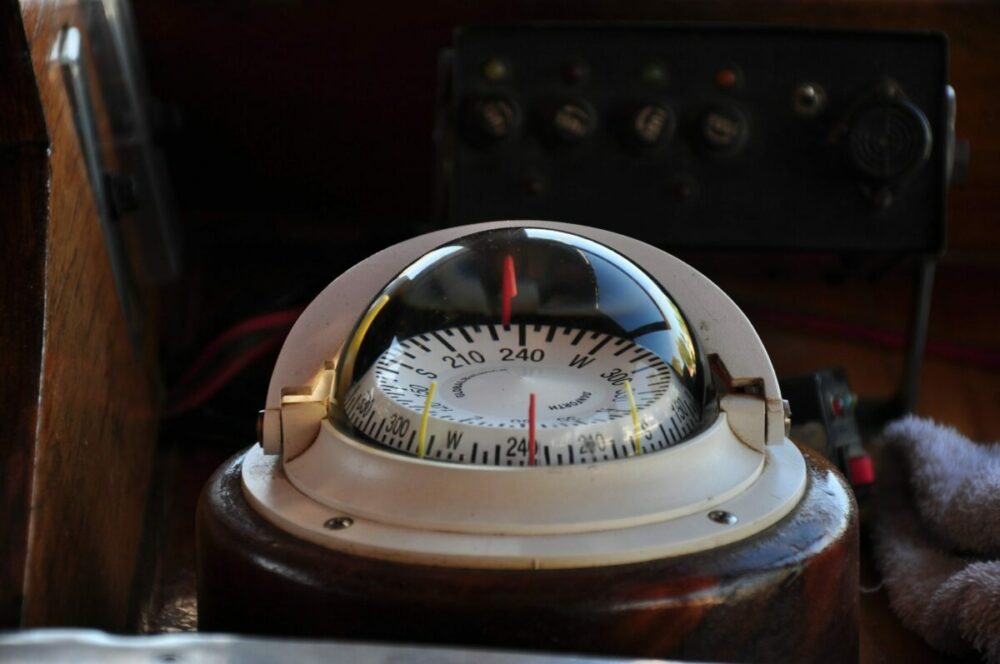
Navigating using a magnetic compass is a skill that every sailor or navigator must master. However, even with modern technological advancements in navigation, the magnetic compass is still an essential tool that every navigator should know how to use. However, errors in magnetic compass reading can occur and lead to navigational disasters. In this article,…
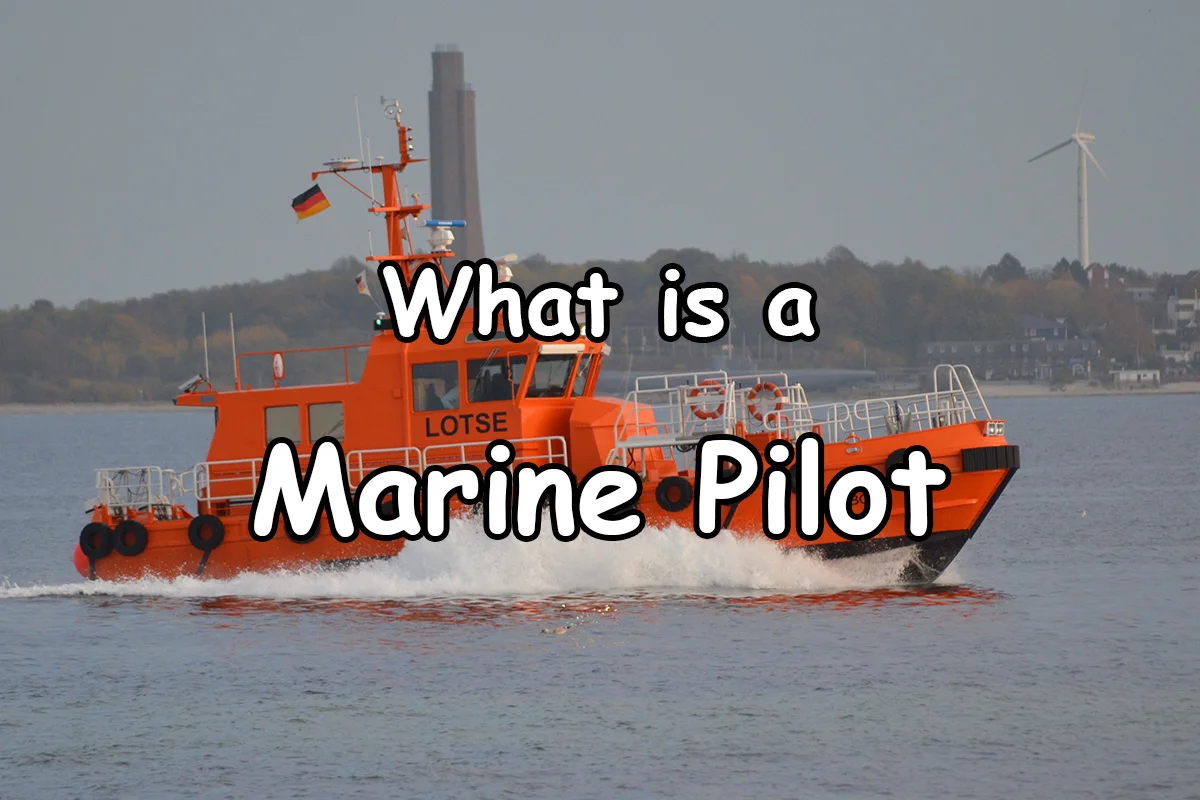
As ships navigate through the world’s oceans, seas, and waterways, they rely on skilled professionals to guide them safely to their destinations. One such professional is a marine pilot, whose job is to assist vessels in navigating through waterways and ports, ensuring the safety of the ship, crew, and cargo. In this article, we will…
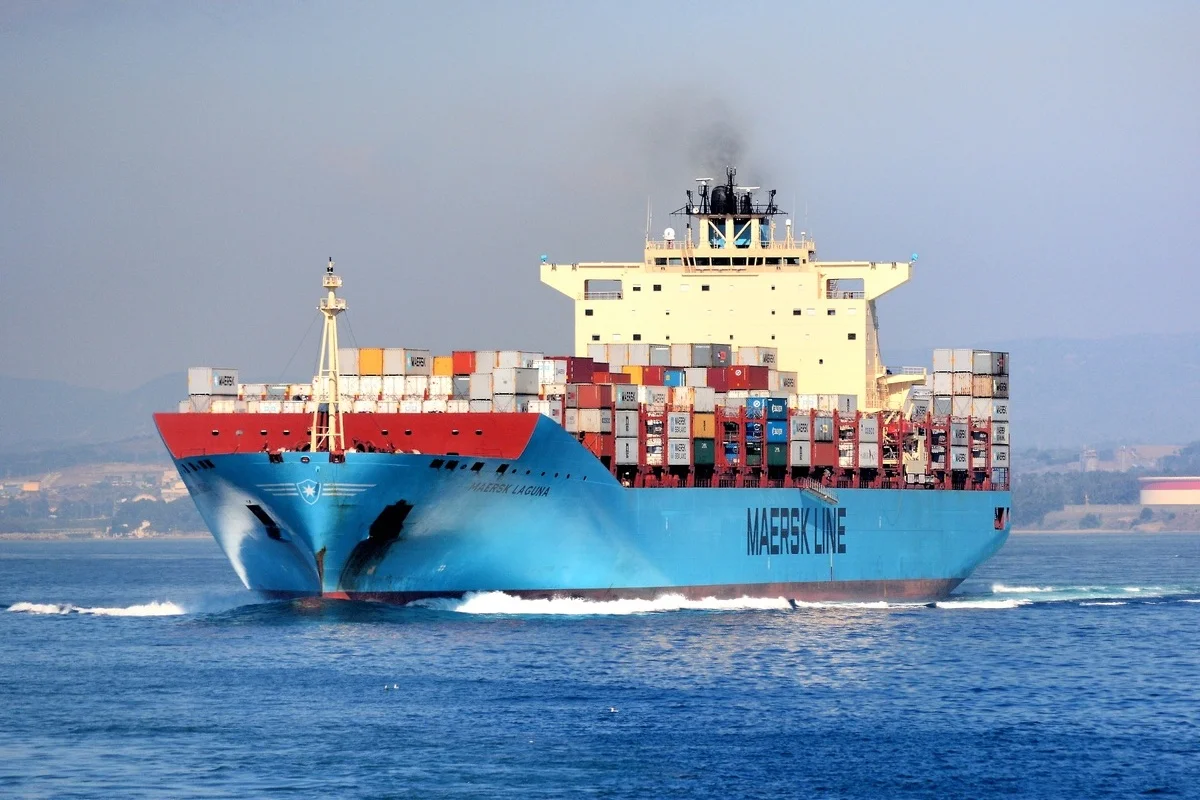
Speed is an important characteristic of a ship. It impacts a ship’s economic performance as well as her ability to avoid danger. Because of the importance of speed to the safe operation of a ship and the fact that there is no numerical value prescribed for safe vessel operation, the International Regulations for Preventing Collisions…
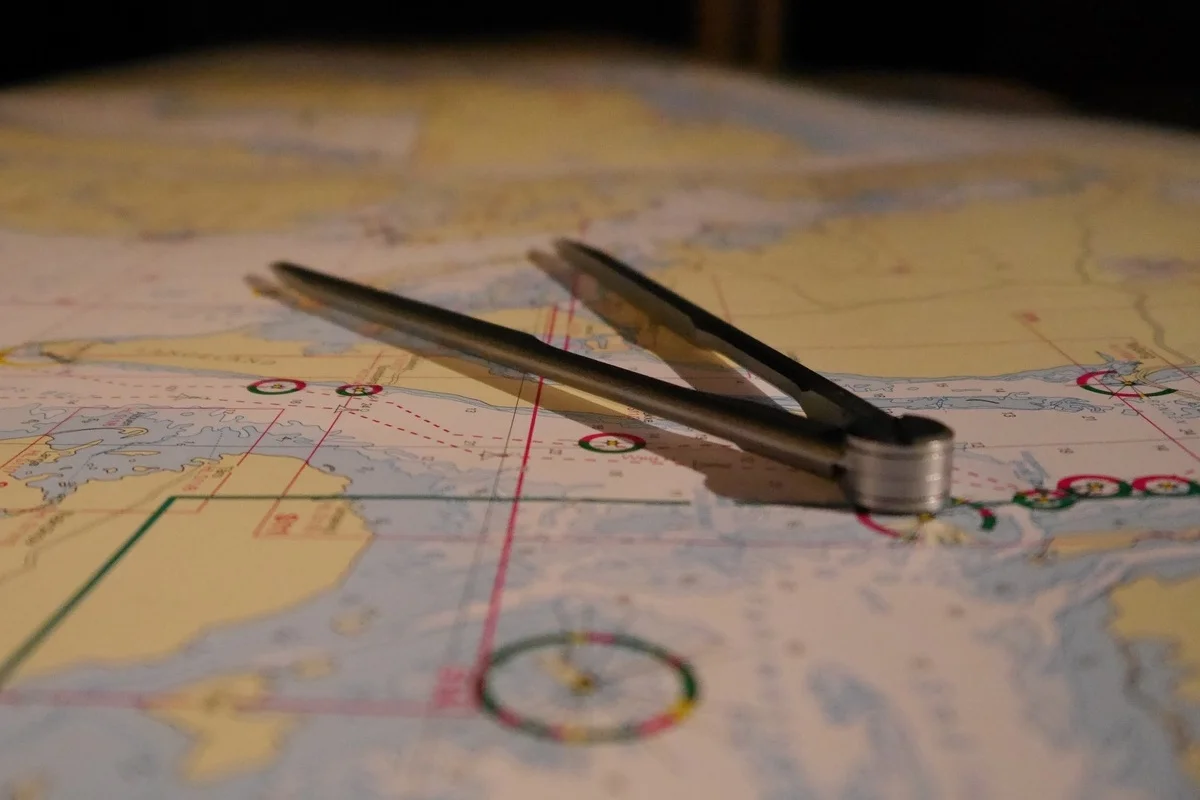
A ship’s primary function is to transport goods and passengers from one port to another. This operation requires proper knowledge, planning, and execution to successfully sail the ship to its intended destination. The process for achieving this is known as “passage Planning. A passage plan is therefore a comprehensive, berth-to-berth guide that highlights probable obstacles…
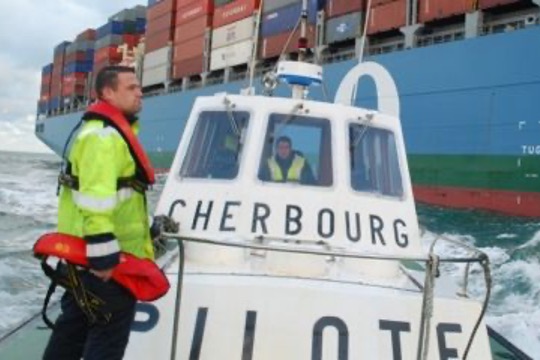
The practice of shipmasters using experts with local knowledge to safely guide them when entering or leaving ports, or navigating in potentially dangerous areas that require in-depth local knowledge, dates to the beginning of water transportation. The successful performance of such a task usually requires a special partnership, to be established between the master and…
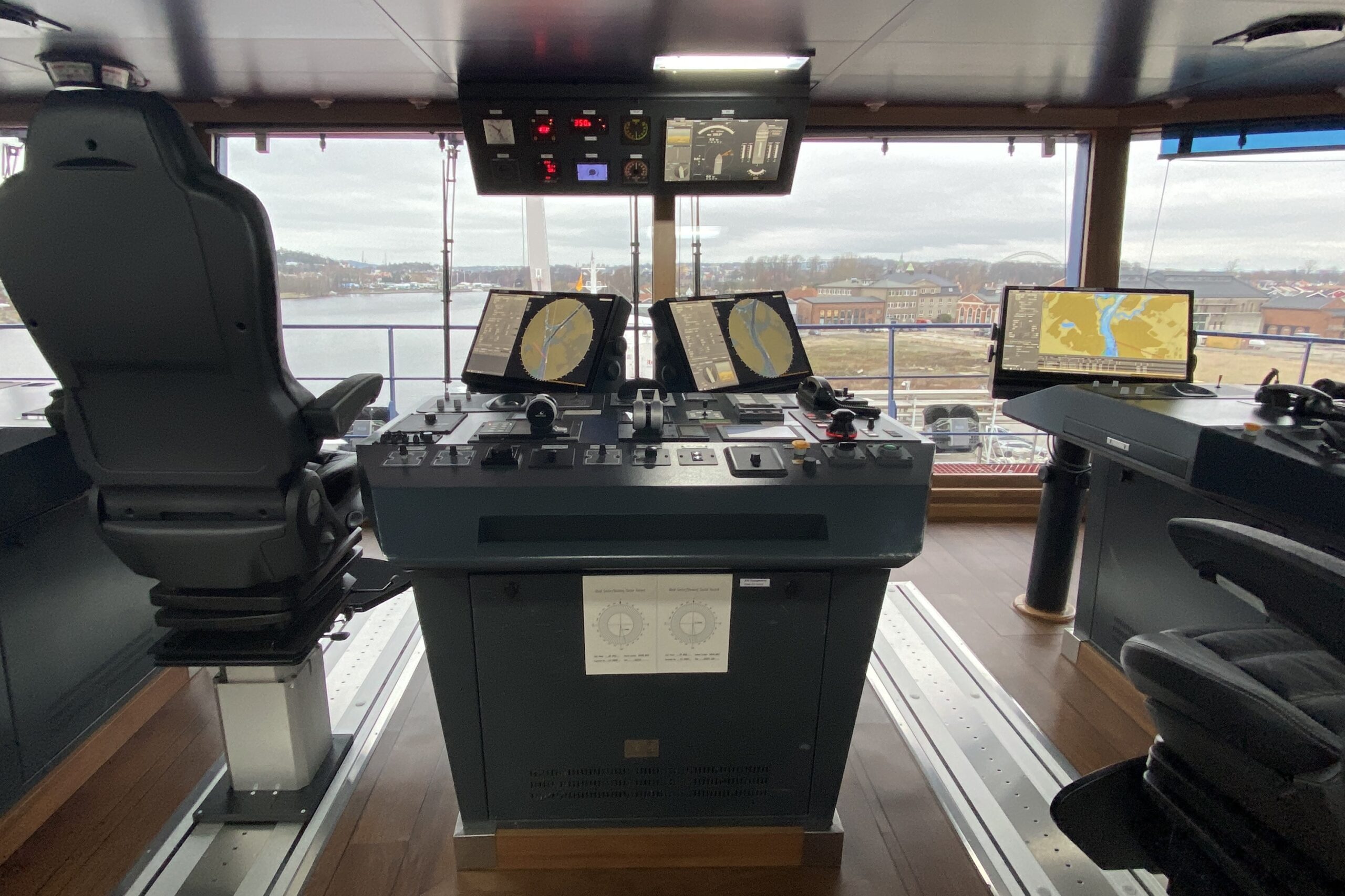
Ever wondered where the control station of massive ships is located where it is operated from? Ships are enormous vessels that can stretch hundreds of meters in length and carry thousands of tons. It is critical to be able to operate and maneuver such a massive vessel safely. The bridge is a vessel’s principal control…
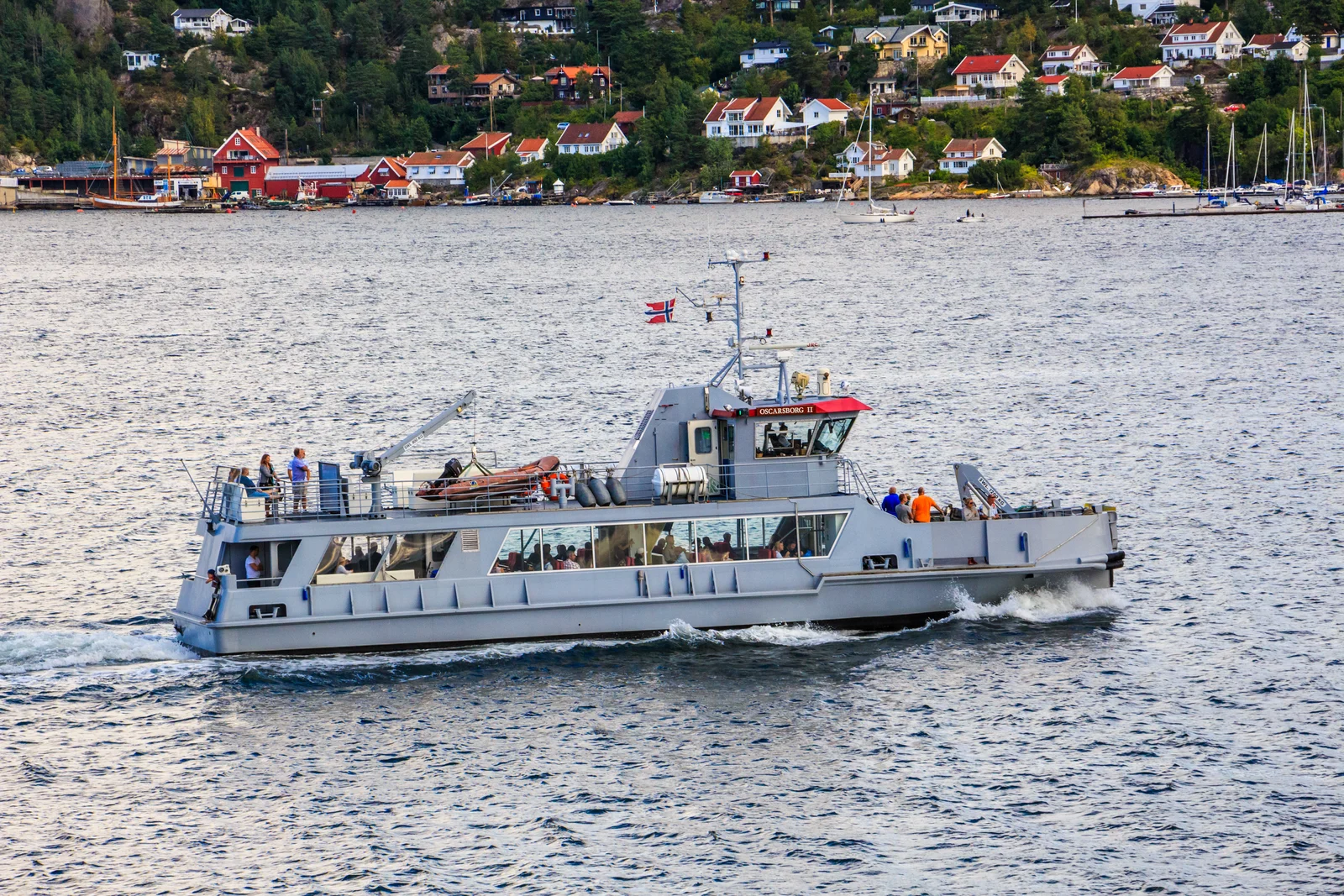
One knot equals one nautical mile per hour. A nautical mile is 1,852 metres — slightly longer than a statute mile — giving 1 knot a value of 1.15078 miles per hour or 1.852 kilometres per hour. To convert quickly: multiply knots by 1.15 for mph, or by 1.85 for km/h. The reason mariners and…
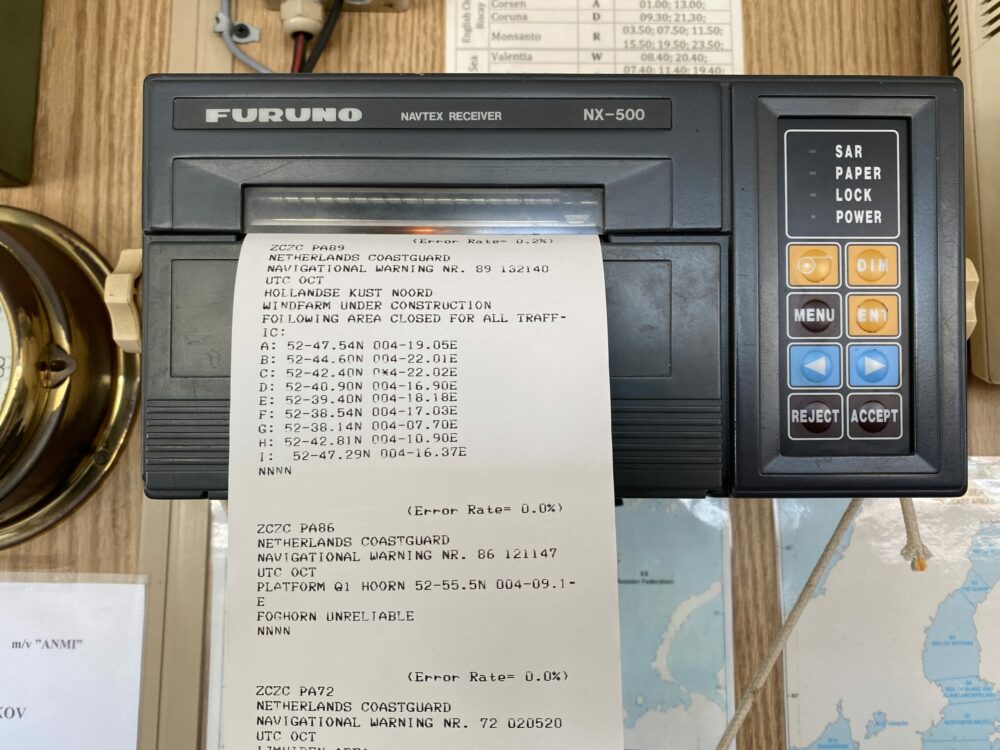
Navigating the high seas has become much safer and easier because of the Global Maritime Distress and Safety System. It allowed stakeholders to check and monitor vessels around the globe. GMDSS(Global Maritime Distress and Safety System) was developed by the IMO (International Maritime Organization), not just in response to multiple disasters but to prevent similar…