Ship Navigation

  • What is GMDSS? Meaning, Documents & Equipment List

    What is GMDSS? Meaning, Documents & Equipment List

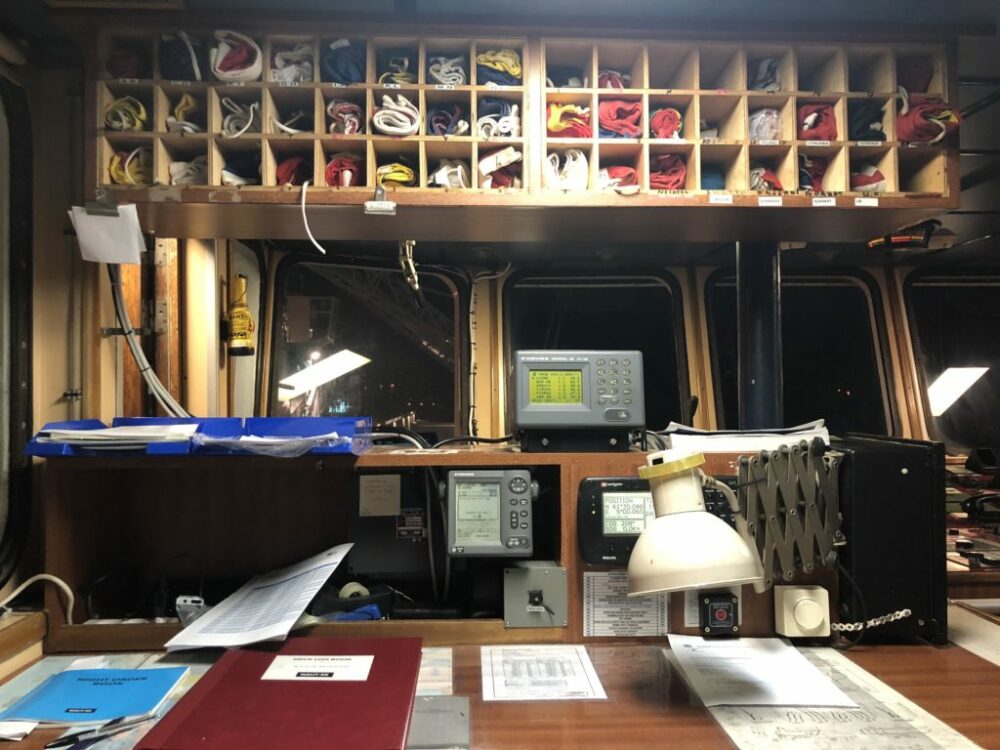
    Navigating the high seas has become much safer and easier because of the Global Maritime Distress and Safety System. It allowed stakeholders to check and monitor vessels around the globe. GMDSS(Global Maritime Distress and Safety System) was developed by the IMO (International Maritime Organization), not just in response to multiple disasters but to prevent similar…

  • What Is Anchoring In Deep Water? Duties & Safety Precautions

    What Is Anchoring In Deep Water? Duties & Safety Precautions

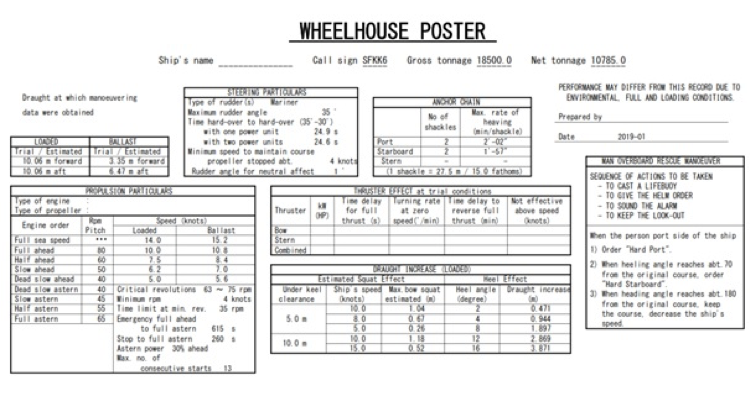
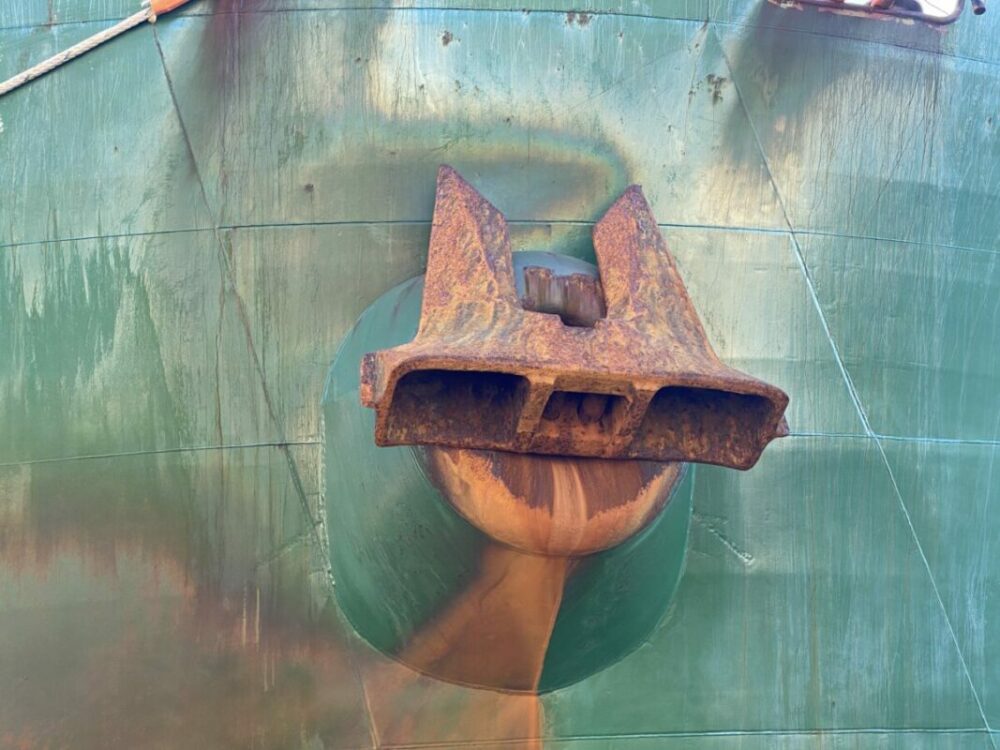
    Ship anchoring is one of the ship’s critical operations. This is being performed either in shallow or deep water. Anchoring in deep water basically means dropping the anchor at a water depth of more than 50 meters. The recommended maximum water depth for anchorage is about 110meters. Ship anchorage is an important part of the…
  • What Are The Limitations Of Marine Radars?

    What Are The Limitations Of Marine Radars?

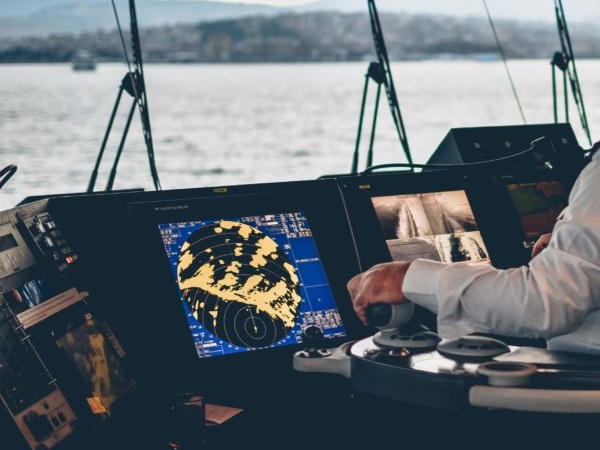
    Though marine radars are indispensable equipment on the bridge, it still has their own limitations. Knowing this allows the Officer on Watch to make the best decision. The main limitations of marine radars are range, bearing, and accuracy. Other minor factors include target acquisition, pulse length, wavelength, and sensitivity. Radars are an effective tool onboard…

  • What Is The Plimsoll Line On Ships?

    What Is The Plimsoll Line On Ships?

    Merchant ships are purposely built to carry cargo, but for safety reasons, there is a need to set a legal limit on how much cargo can be loaded onto a ship. By establishing such restrictions, the possibility of the ship sailing with insufficient freeboard and reserve buoyancy is reduced. In order to minimize overloading on…

  • How is a Sextant Used for Navigation?

    How is a Sextant Used for Navigation?

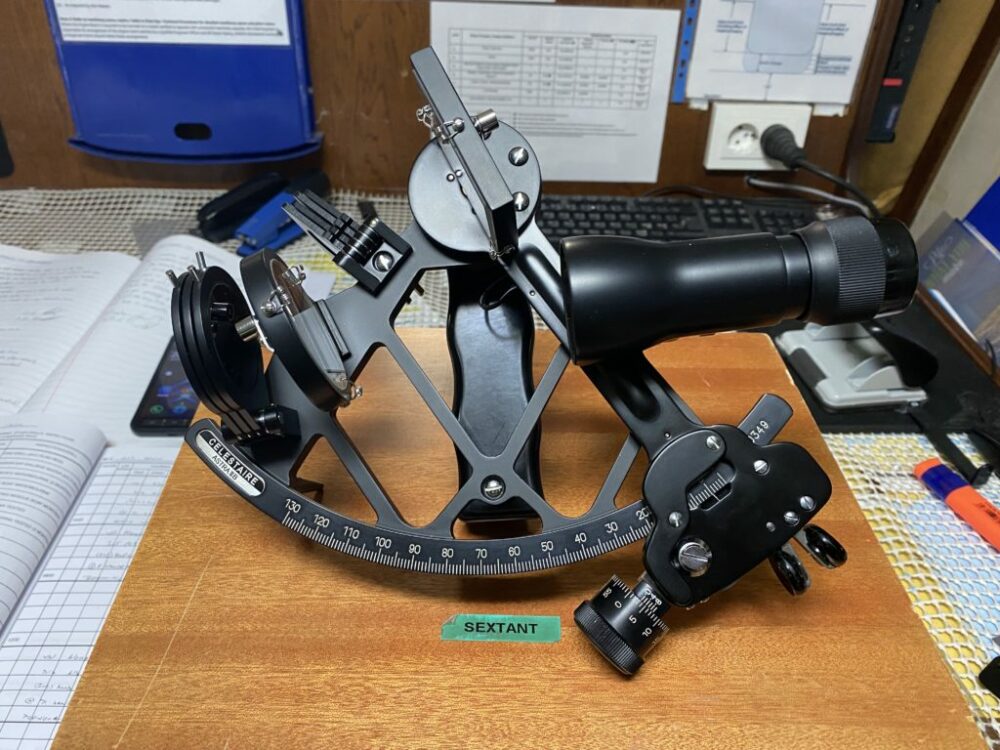
    Seafarers, particularly the bridge officers, always need to know the two most important information onboard a ship. The heading or the course, and position of the vessel. Sextant allows the mariners to measure the angle of a celestial body to the horizon. That attitude of either the Sun or stars and the time it was…

  • What Is Boxing The Compass? 32 Compass Points Explained

    What Is Boxing The Compass? 32 Compass Points Explained

    For those fascinated by maritime navigation, the term ‘boxing the compass’ might sound familiar. But what exactly does it entail? This traditional navigational practice, essential for mariners traversing the seas, involves mastering all 32 points of the compass. While modern navigators predominantly rely on 360° angles for course-plotting, a select few sailors maintain the tradition…

  • What Is A Neap Tide?

    What Is A Neap Tide?

    Down on the docks, a lot of different phrases and words get thrown around: port, starboard, fairway, lanyard, gunwale, tides. Trying to keep up and learn all of these different important maritime terminologies can be tricky, but luckily, we’re here to help. One such term you may come across but not know about is neap…

  • Understanding the Marine Forecast

    Understanding the Marine Forecast

    These days mariners have accurate weather forecasts at their fingertips. The science of meteorology, weather forecasting, and the tools we use to interpret weather data have improved so much that it may seem sailors needn’t worry about the weather at all.  However, science is sometimes imperfect, and a good captain must closely monitor weather conditions…

  • What Is The Difference Between A Wave And A Swell?

    What Is The Difference Between A Wave And A Swell?

    Different factors affect a navigating vessel whether she is in port or the open sea. These include current, swell, wind, rain, snow, fog, etc. Waves are caused by either an earthquake, underwater volcanic eruptions, or wind. While swell is formed from a sustained wind strength and duration that builds up a large amount of energy…

  • What is Bridge Navigational Watch?

    What is Bridge Navigational Watch?

    The practice of ship navigation is essential for safe and efficient maritime transportation. It is a system that ensures that during the voyage, a vessel stays on course, avoids collisions, complies with international regulations, and minimizes fuel consumption while keeping to schedules. This is accomplished by a set of personnel on the ship’s navigation bridge…