Marine Engineering

  • What Are A Ballast System And Ballast Tanks On A Ship?

    What Are A Ballast System And Ballast Tanks On A Ship?

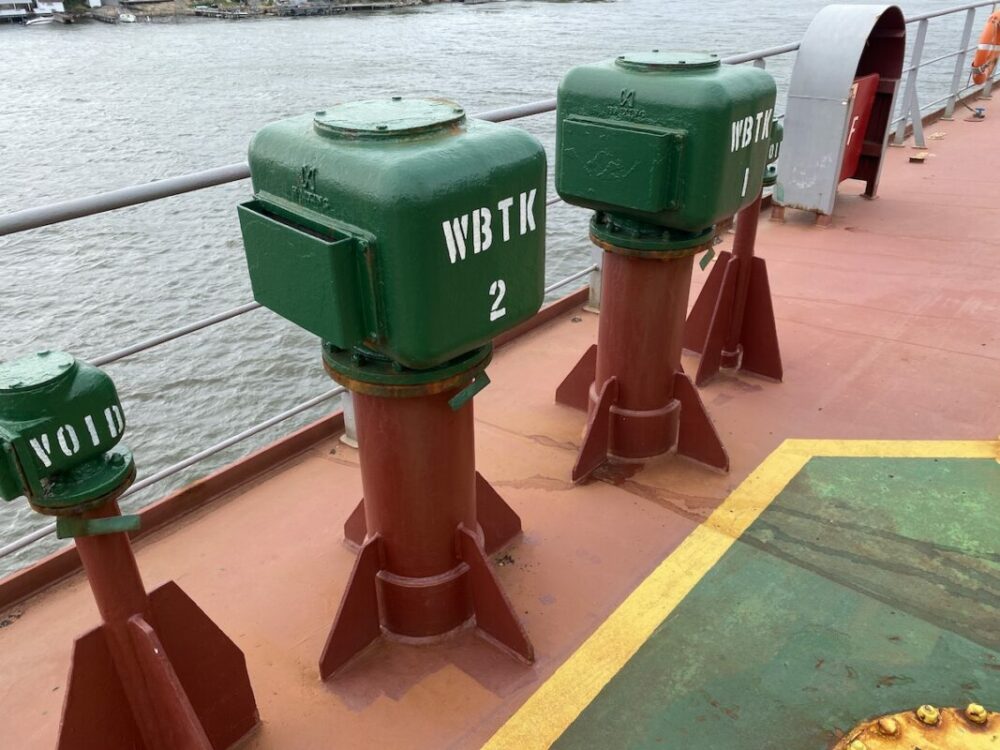
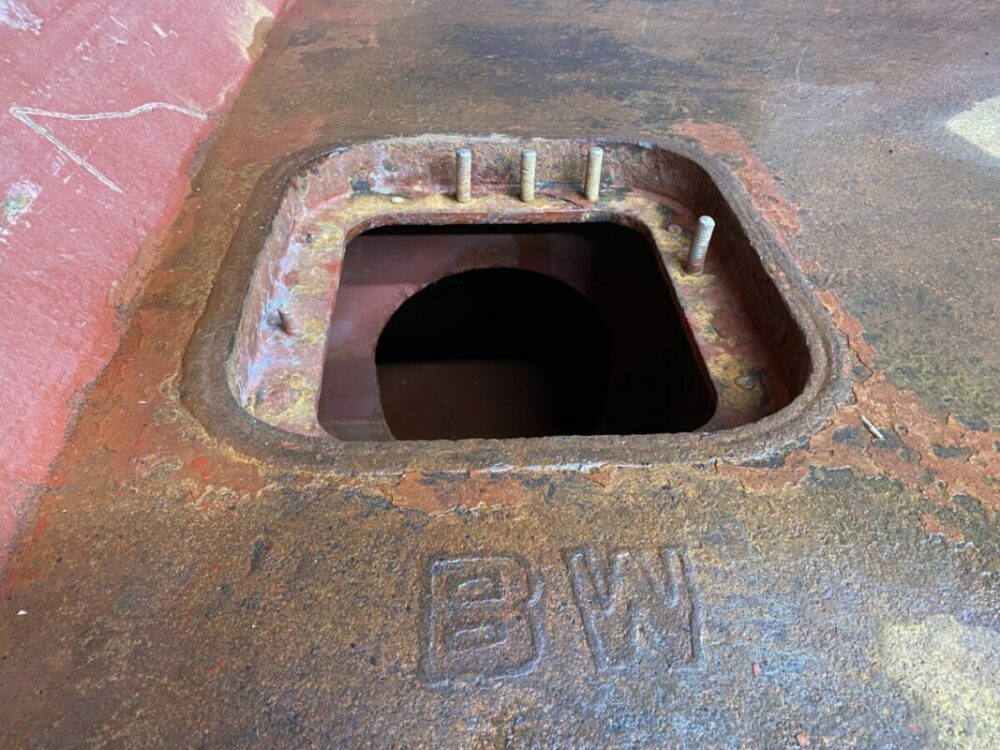
    Ships, over the years, have increased in length, width, height, and cargo-carrying capacity. Despite the immense size, the ballast system which is comprised of ballast tanks allows the ship to safely afloat and navigate. Ballast tanks are vital compartments in a ship filled with water to maintain stability and adjust trim. Different types of ships…

  • Bow Of A Ship – What Is It and 6 Different Types

    Bow Of A Ship – What Is It and 6 Different Types

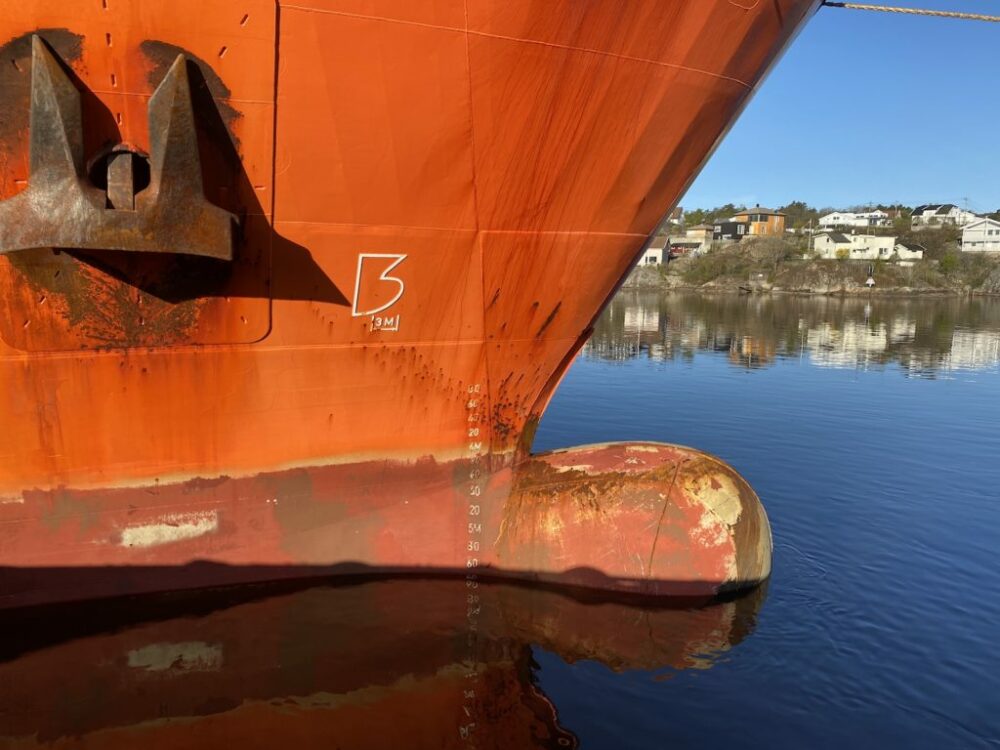
    The foremost part of a vessel is called the bow of a ship. The first thing anyone notices when a vessel approach is its forward section. How profound it is in terms of design; it not only serves as an aesthetic feature but also plays a huge functional part in reducing the resistance on a…

  • Parts of a Ship — Complete Guide to Names, Functions and Locations

    Parts of a Ship — Complete Guide to Names, Functions and Locations

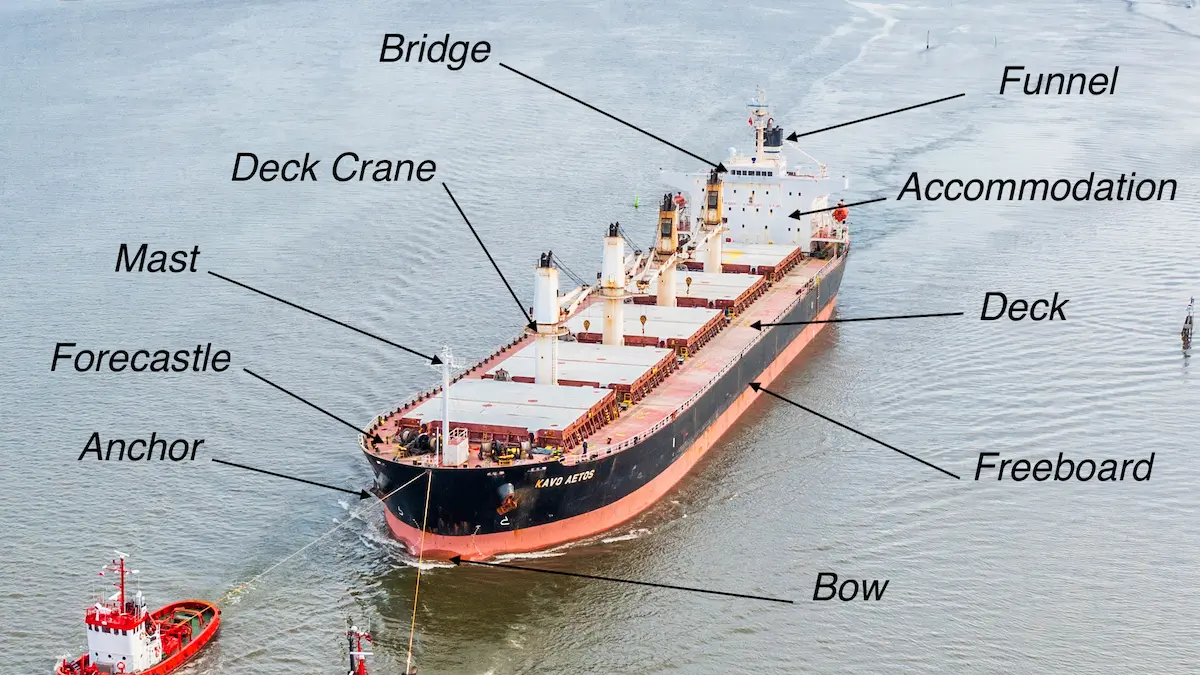
    Have you ever wondered about the materials used to construct ships or about the ship’s primary components? A ship is constructed of steel and composite materials and is composed of both visible and unseen structural components. In this article, we will look at the different parts of a ship and break down their functions, including…

  • What Is An Eductor And How Does It Work?

    What Is An Eductor And How Does It Work?

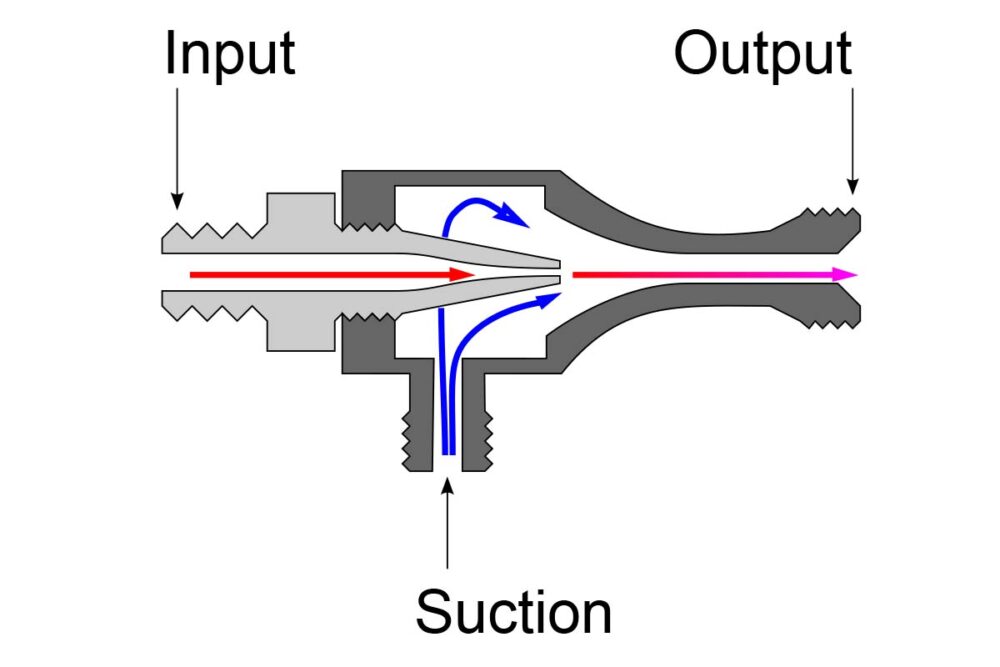
    An eductor is the name of a pump that uses the venturi effect during a pumping operation. This is a type of jet pump which is used to pump sediment and liquid out. They’re often used when the suction head is too deep for another pump. Due to the Bernoulli principle and venturi effect, the…

  • How Does A Fuel Oil Purifier Work?

    How Does A Fuel Oil Purifier Work?

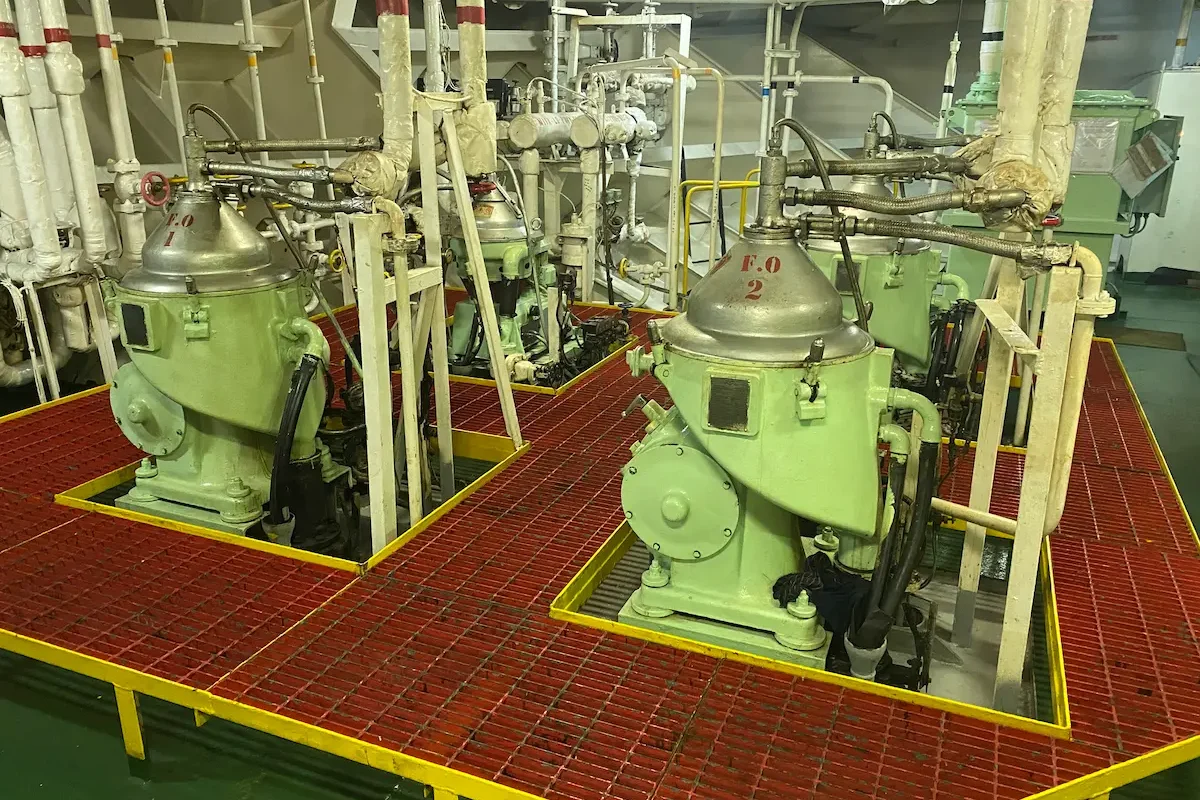
    Fuels are the lifeblood of marine diesel engines. With fuel problems that may occur on board, cargo, and shipments will not be delivered on time, which we must prevent to keep the business running. That’s why the correct grade of fuel must be supplied to the ship. Furthermore, it is imperative for it to be…

  • What Is The Bilge System In A Ship?

    What Is The Bilge System In A Ship?

    The bilge system is provided in the ship to remove bilge water from the ship’s dry compartments in emergencies. The major uses of the system are for cleaning water and oil which accumulates in machinery space bilges as the result of leakage or draining, and when washing down dry cargo holds. The bilge main in…

  • What Is Marine Growth Prevention System On A Ship?

    What Is Marine Growth Prevention System On A Ship?

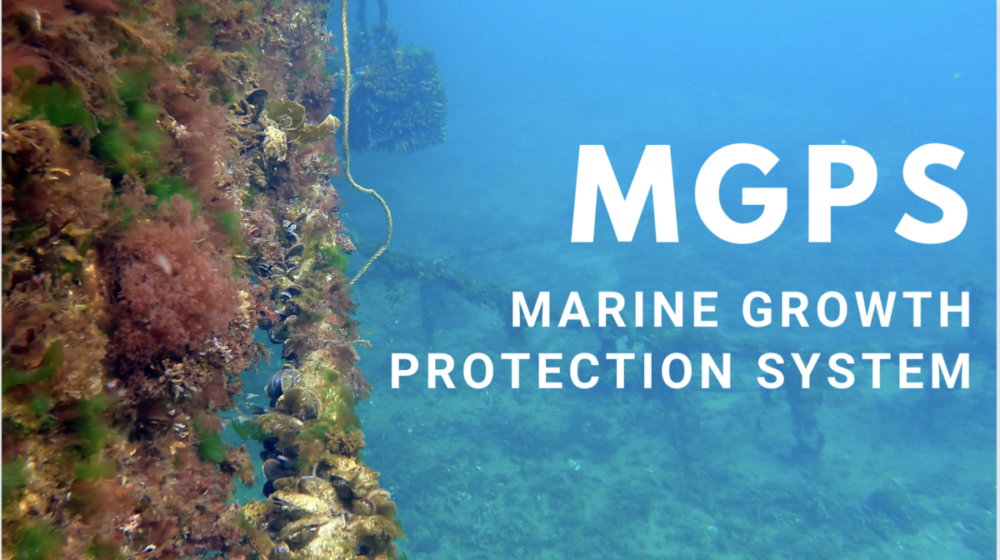
    Vessels are floating power plants on the sea and the marine growth prevention system is vital for continuous operations. This enormous powerplant is a composite of different systems that is working on one large scale to power, propel, and keep the ship afloat reaching and delivering the certain mission it has from one destination to…

  • 9 Types of Oil Rigs & Their Functions Explained!

    9 Types of Oil Rigs & Their Functions Explained!

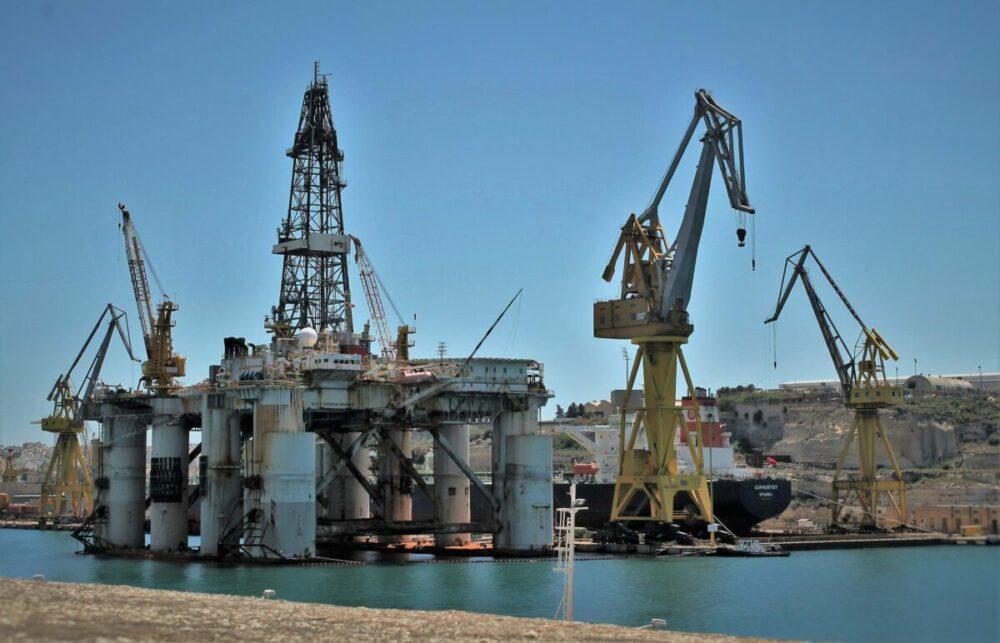
    Oil rigs are an important part of the oil and gas industry. They are large structures with facilities to extract and process petroleum and natural gas from the ground, They are sometimes referred to as oil platforms or oil and/or gas production platforms. There are different types of oil rigs, each with its advantages and…

  • Oil Platforms In The Gulf Of Mexico

    Oil Platforms In The Gulf Of Mexico

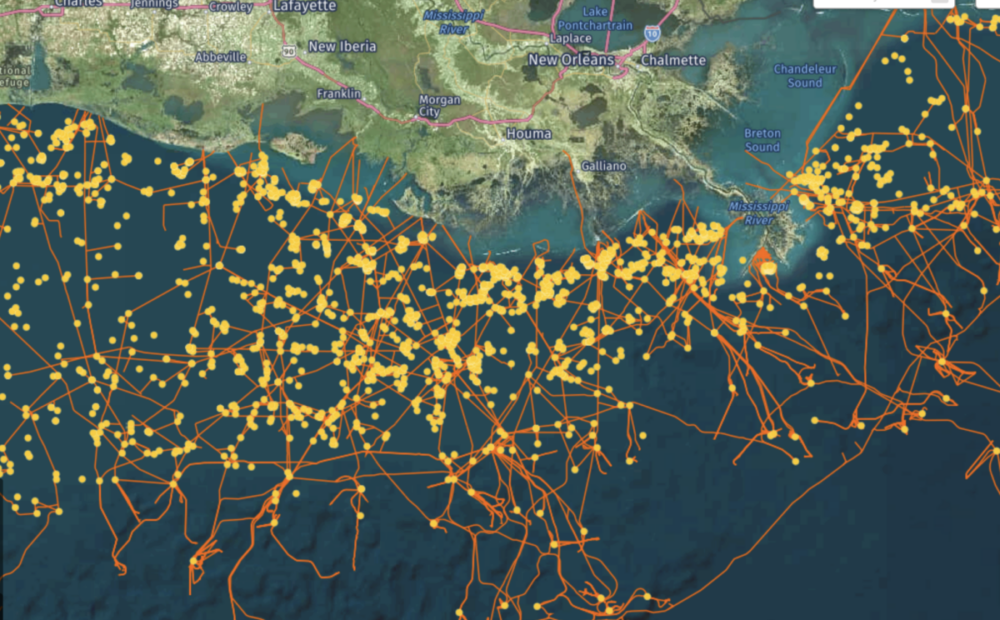
    The Gulf of Mexico is an ocean basin that is next to the United States’ southern coast. It is bordered by the North American continent on the north, the Mexican states on the southwest and south, and Cuba in the southeast. The Gulf of Mexico is a body of water that is often referred to…

  • MGO and MDO Marine Fuels: Differences, ISO 8217 Grades, and MARPOL Compliance

    MGO and MDO Marine Fuels: Differences, ISO 8217 Grades, and MARPOL Compliance

    MGO MDO ISO 8217 grade DMA DMB / DMZ Composition Pure distillate Distillate + residual blend Max viscosity 6.0 cSt at 40°C 11.0 cSt at 40°C ECA compliant? Yes (DMA) DMZ only (≤0.10% S) Heating required No No Typical use ECAs, small vessels, modern eco-ships Ocean passages, older engines Quick Reference: MGO vs MDO MGO…