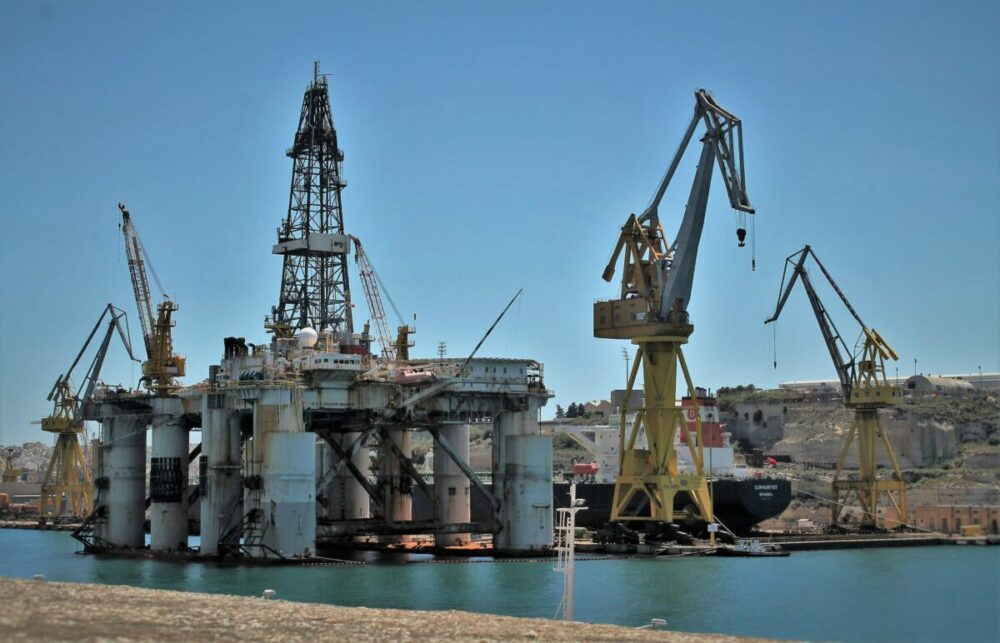
Types of Oil Rigs: What an Oil Rig Is and How Each Type Works
What an oil rig is and how each type works: mobile drilling rigs, fixed and floating production platforms, how they stay in position and how they move.

What an oil rig is and how each type works: mobile drilling rigs, fixed and floating production platforms, how they stay in position and how they move.
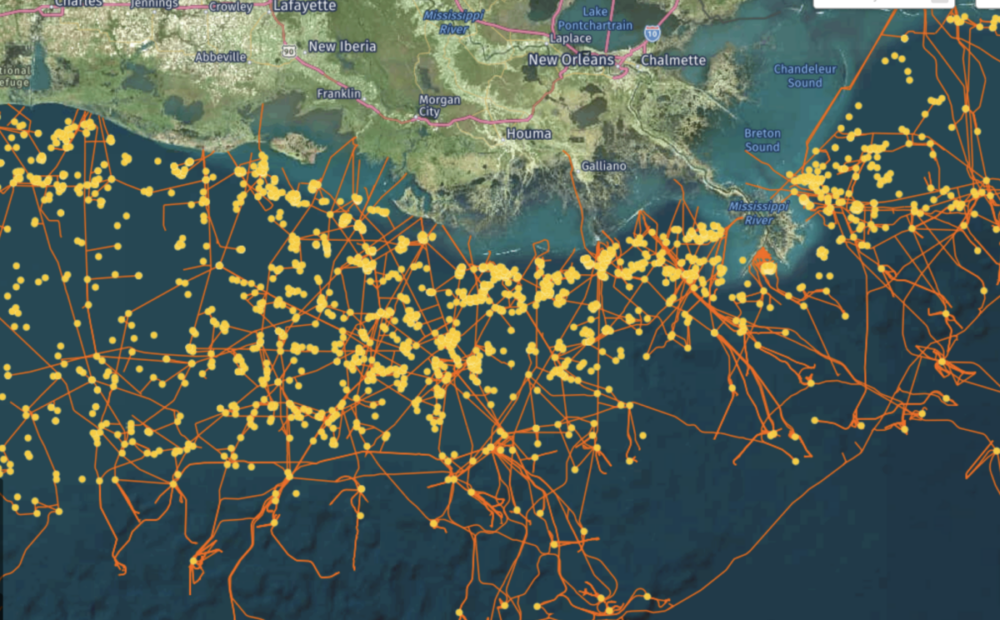
Oil rigs and platforms in the Gulf of Mexico: how many there are, where they stand, who owns them, the biggest platforms, official maps and decommissioning.

MGO MDO ISO 8217 grade DMA DMB / DMZ Composition Pure distillate Distillate + residual blend Max viscosity 6.0 cSt at 40°C 11.0 cSt at 40°C ECA compliant? Yes (DMA) DMZ only (≤0.10% S) Heating required No No Typical use ECAs, small vessels, modern eco-ships Ocean passages, older engines Quick Reference: MGO vs MDO MGO…

The word “sheer” in a vessel comes from the old Dutch word, which implies “upturn”. In simple words, it defines the curve of the deck line viewed from the side of the vessel. Beauty is in the eye of the beholder, (or in this case, the designer), the sheer line is presumably one of the…
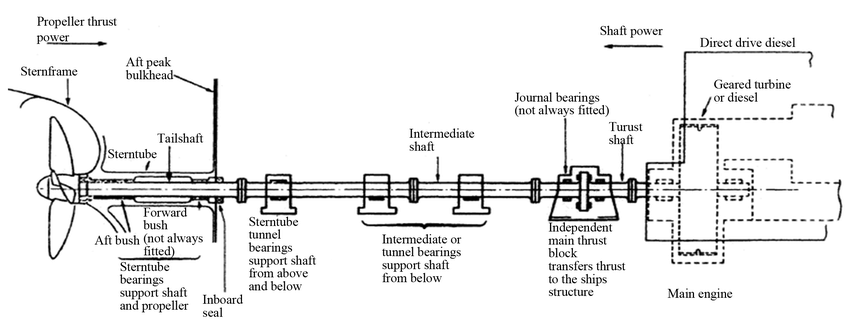
Propeller shafts or in marine terminology also known as tail shafts are commonly found on the ship’s aft segment behind the ship’s propulsion. It is a round metal fixture attached to rotate, connect, and mediate force from one component to another. The tail shaft is a part of the propulsion system not only in marine…

A free surface effect on a ship or road truck can have a significant impact on the stability of the maritime or road vessel. This can’t be ignored and requires a clear understanding! The free surface of any confined space can be defined as the interface between two different states of matter and in our…
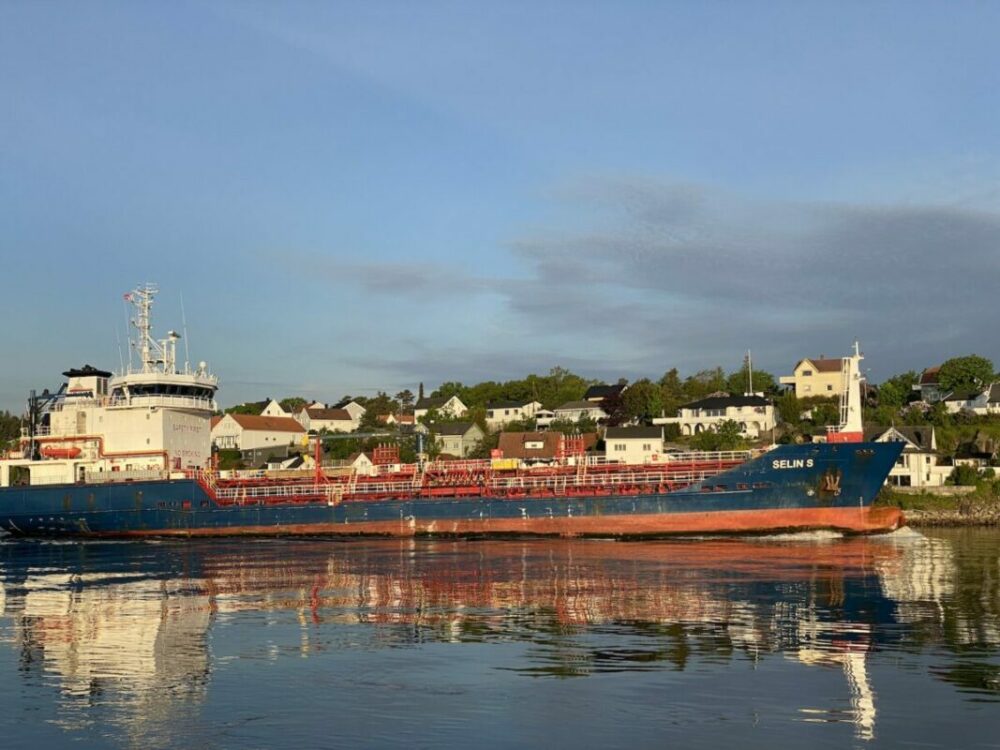
Racking can be defined as a motion-induced shear stress deformation formed on the hull structure due to the external wave loads acting on the vessel. When the vessel is subjected to a rotational roll motion about its axis, the transversal sections tend to fail due to the deformations at the corners due to shear-induced forces.…
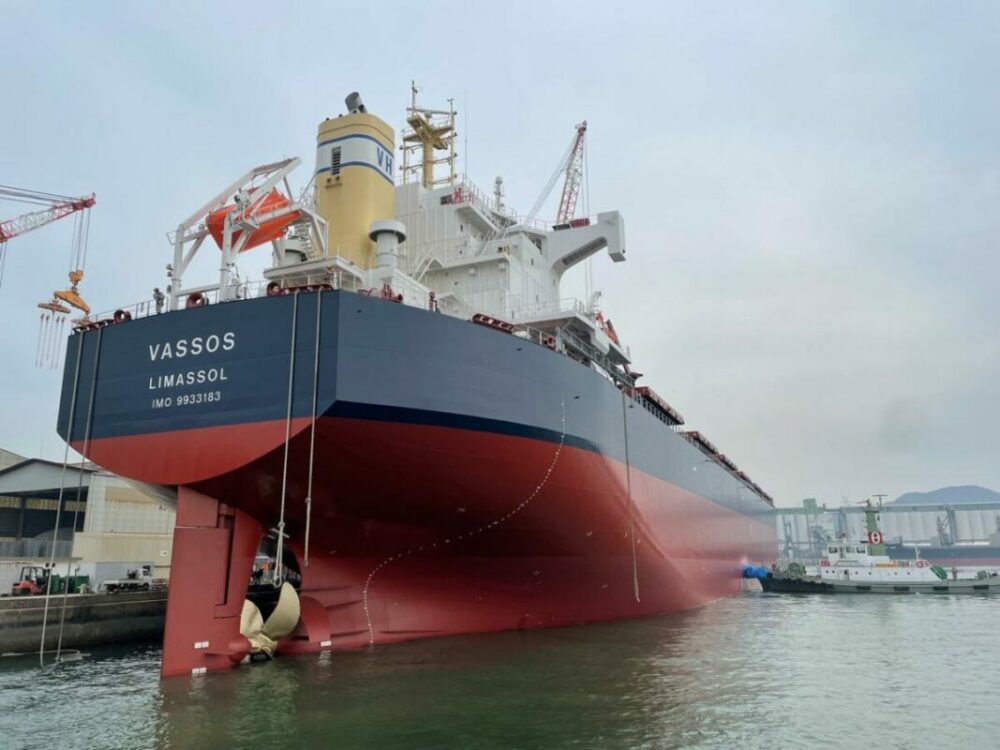
Shell plating can be defined as the exterior surface of a hull that is in contact with the external environment such that it is designed to resist external forces acting on them. Shell plating is primarily divided into two namely bottom and side plating. The bottom and side plating constitutes the hull of the vessel…

Bulkheads in ships can be defined as the vertical separations on a vessel that run both transversely and longitudinally. Their primary function is to provide structural rigidity for a vessel against forces in both transversal and longitudinal directions and also act as a sub-division for separating the vessel into a number of watertight compartments. When…
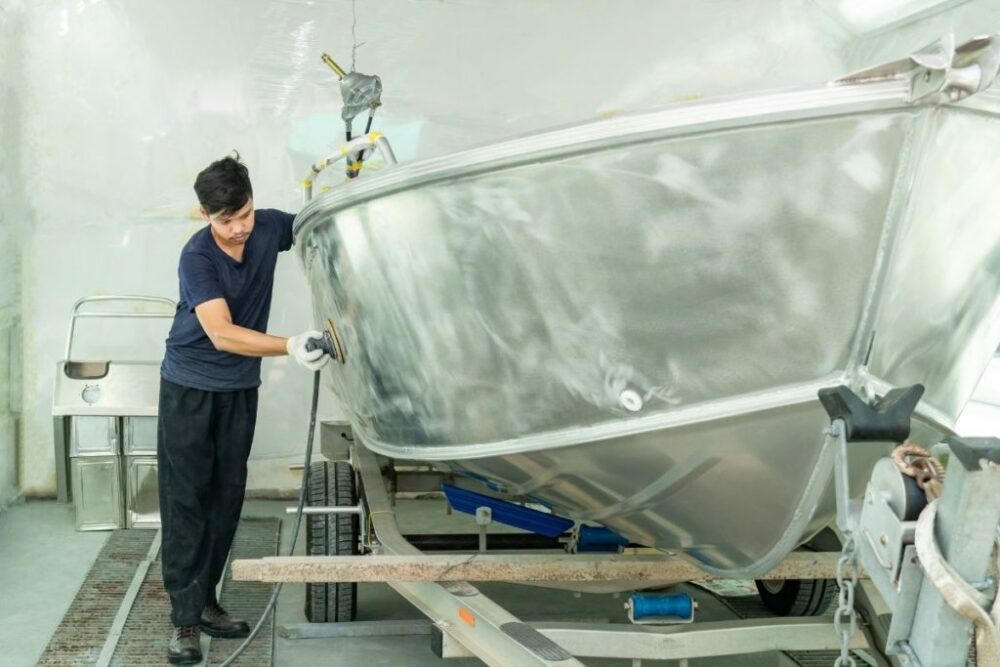
The materials utilized in the field of boat building have advanced during the times from the most common unrefined components accessible in nature like wood to the latest cutting-edge composites like carbon and Kevlar, which are at present moving in the business sectors. There are different materials from which boats are fabricated and of which…