Hygroscopic vs Hydroscopic: What the Difference Actually Is
Hygroscopic vs. hydroscopic — which is correct, what it means for cargo at sea, and how ships protect moisture-sensitive goods during transit.
Hygroscopic vs. hydroscopic — which is correct, what it means for cargo at sea, and how ships protect moisture-sensitive goods during transit.
When it comes to navigating a boat or a ship, knowing the difference between port and starboard is crucial. Port refers to the left side of the vessel when facing forward, while starboard is the right side. These terms can be confusing, especially for beginners, but there are several effective ways to remember which is…
Sailing has long been a symbol of freedom, adventure, and resilience. It’s no wonder that many people who feel a deep connection to the sea choose to immortalize this passion with nautical-themed tattoos. In this article, we’ll explore some of the most popular designs and sailing tattoo meanings, so you can better understand the significance…
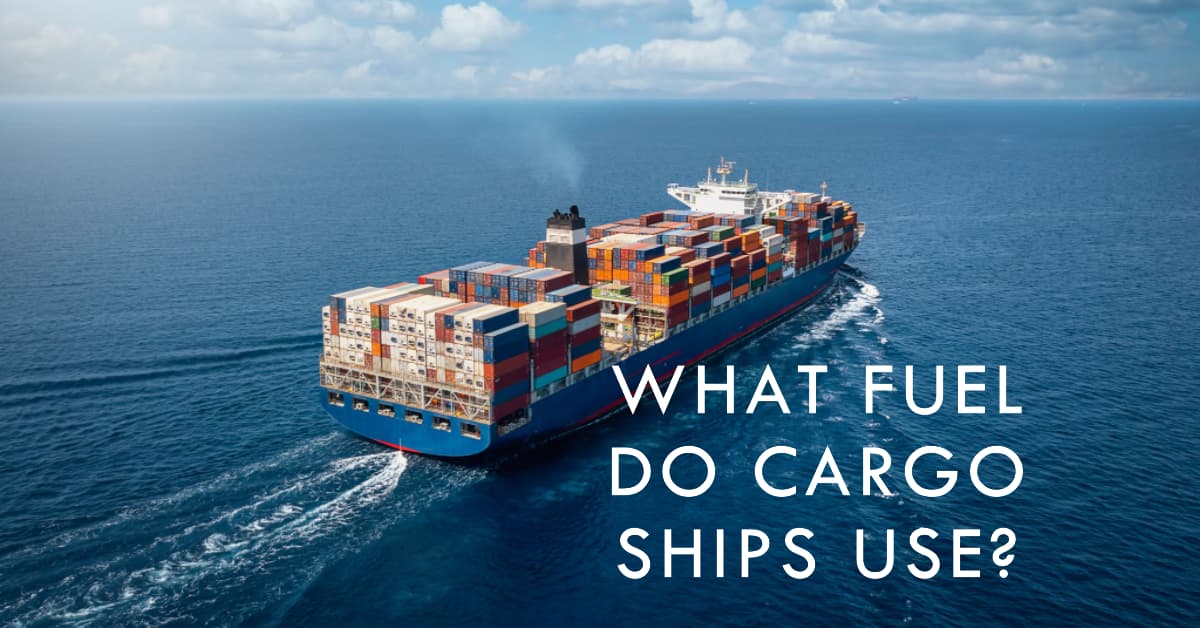
Cargo ships mainly run on VLSFO since 2020, with HFO on scrubber-fitted ships and LNG or methanol on a growing fleet. Compare fuel types and the ECA rules.
List of water phobias is a collection of specific phobias that involve an intense and irrational fear of water. This fear can range from a mild anxiety to a debilitating phobia that affects an individual’s daily life. Aquaphobia, thalassophobia, and hydrophobia are some of the most common water phobias. Aquaphobia is the fear of water,…
Explore the captivating world of spring tides and their profound effects on coastal areas and marine ecosystems. Gain insights now!
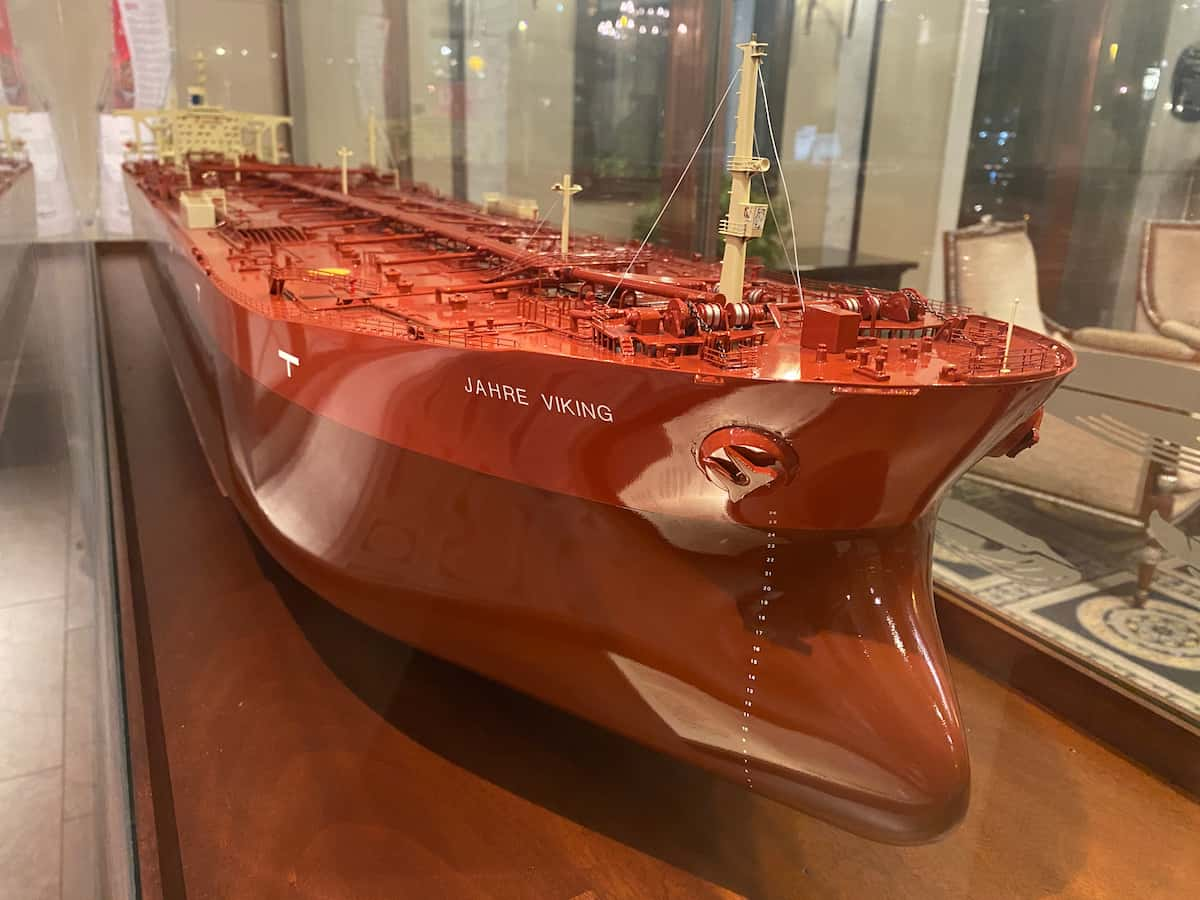
The Seawise Giant, later Knock Nevis, remains the largest ship ever built. Its history, specs, accidents, and why no ship has surpassed it.
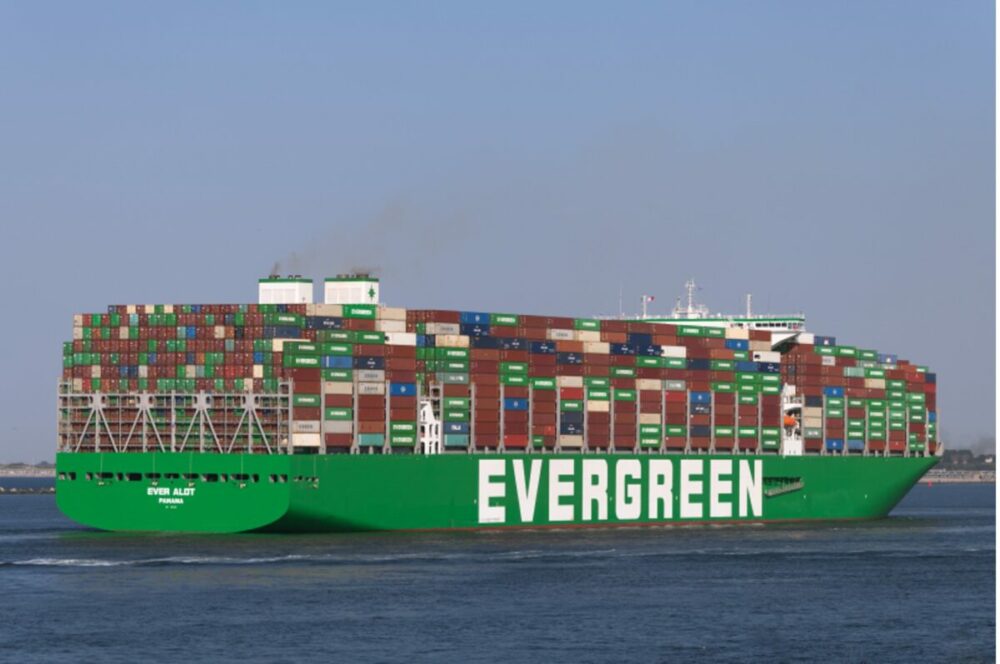
Cargo ships are a vital component of global trade, transporting a wide range of goods around the world by sea. One important aspect of cargo ship design and operation is the vessel’s container capacity or the number of shipping containers it can carry. Container capacity is influenced by a variety of factors, including the size…
Ships are an essential mode of transportation for people and goods across the world’s oceans. Each ship has a unique name and classification, often identified by a prefix that denotes the vessel’s mode of propulsion, such as MV for motor vessel, PS for paddle steamer, and SS for steamship. The SS prefix is one of…
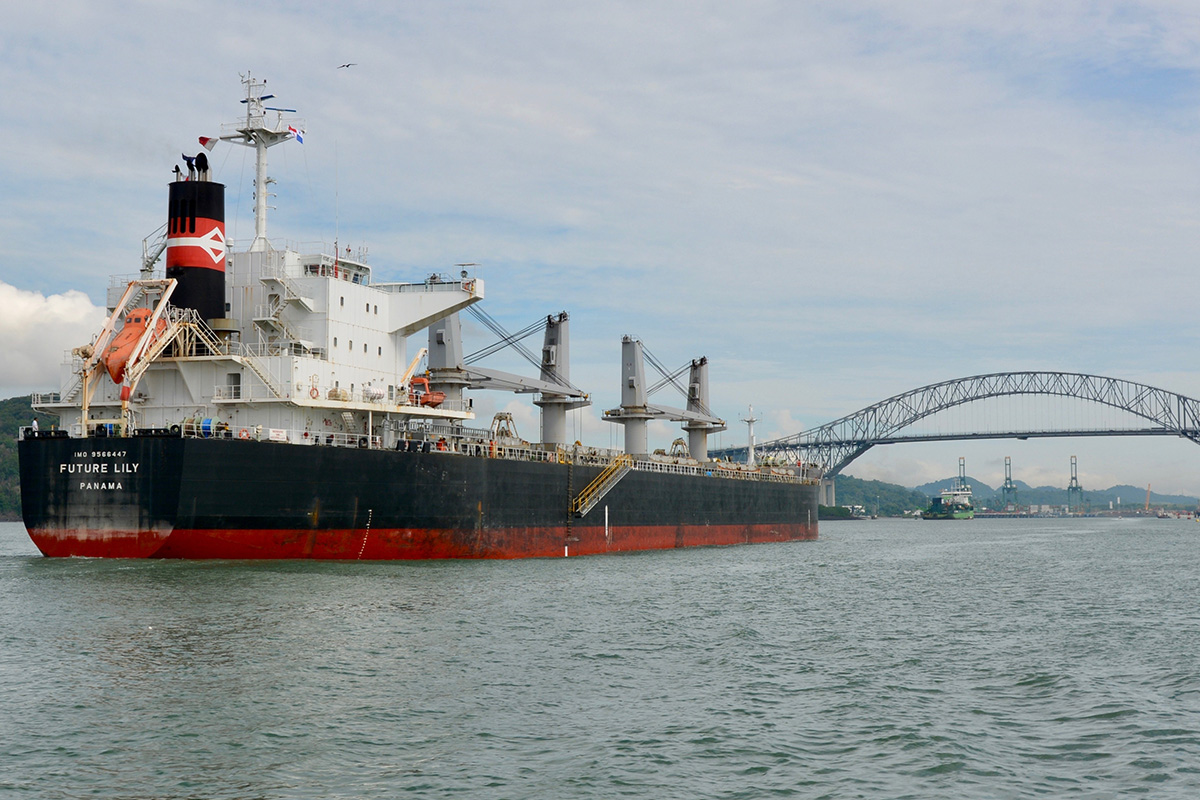
In the complex world of maritime transportation, understanding the intricate details of charterparties is crucial for shipowners and charterers alike. One of the essential components of these agreements is the LAYCAN (Lay Days and Cancellation Days) mechanism. This article delves into the concept of LAYCAN, its significance in charterparties, and the impact of freight rates…