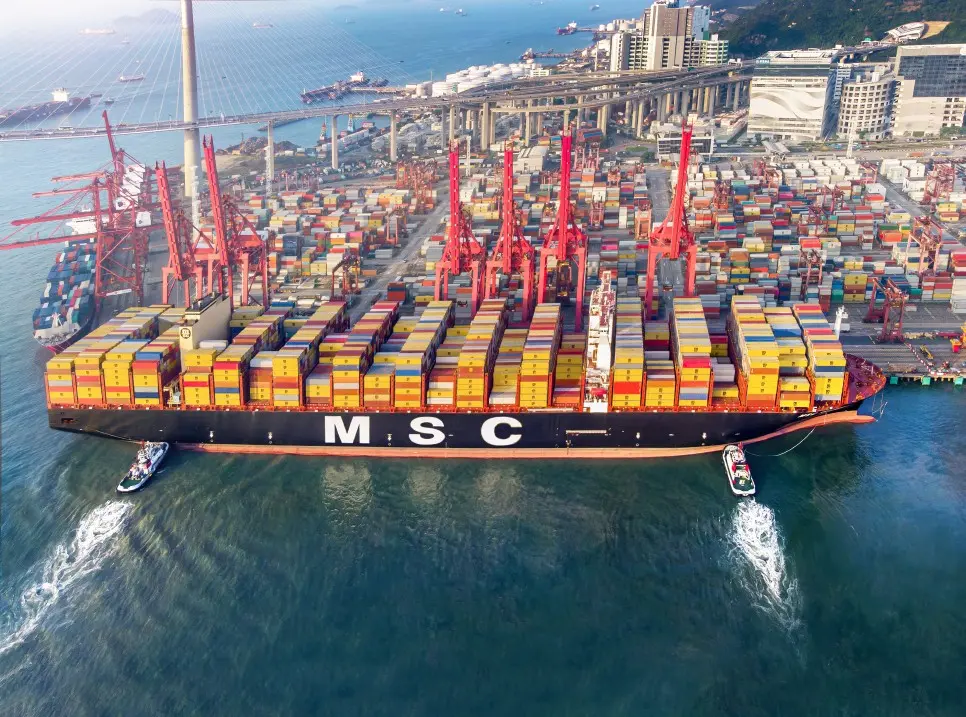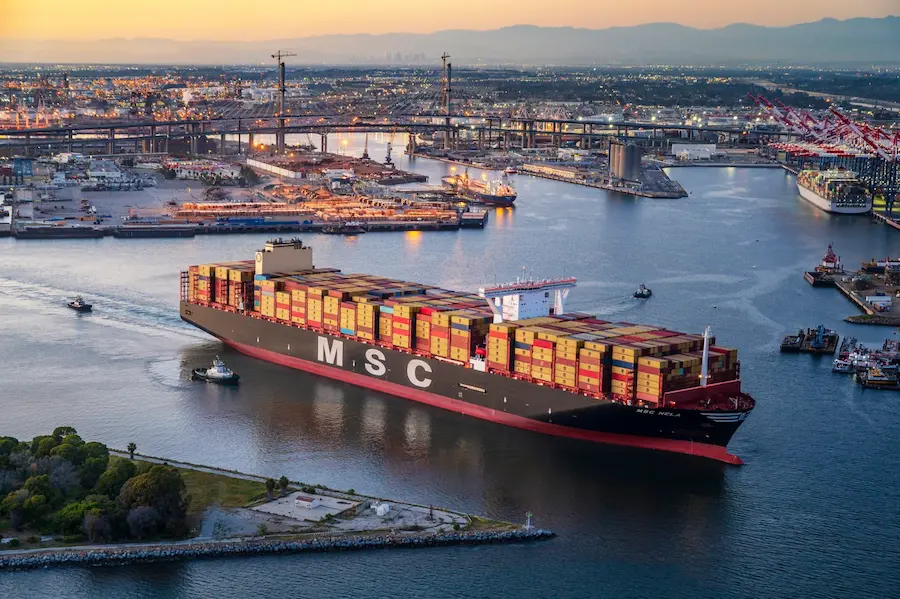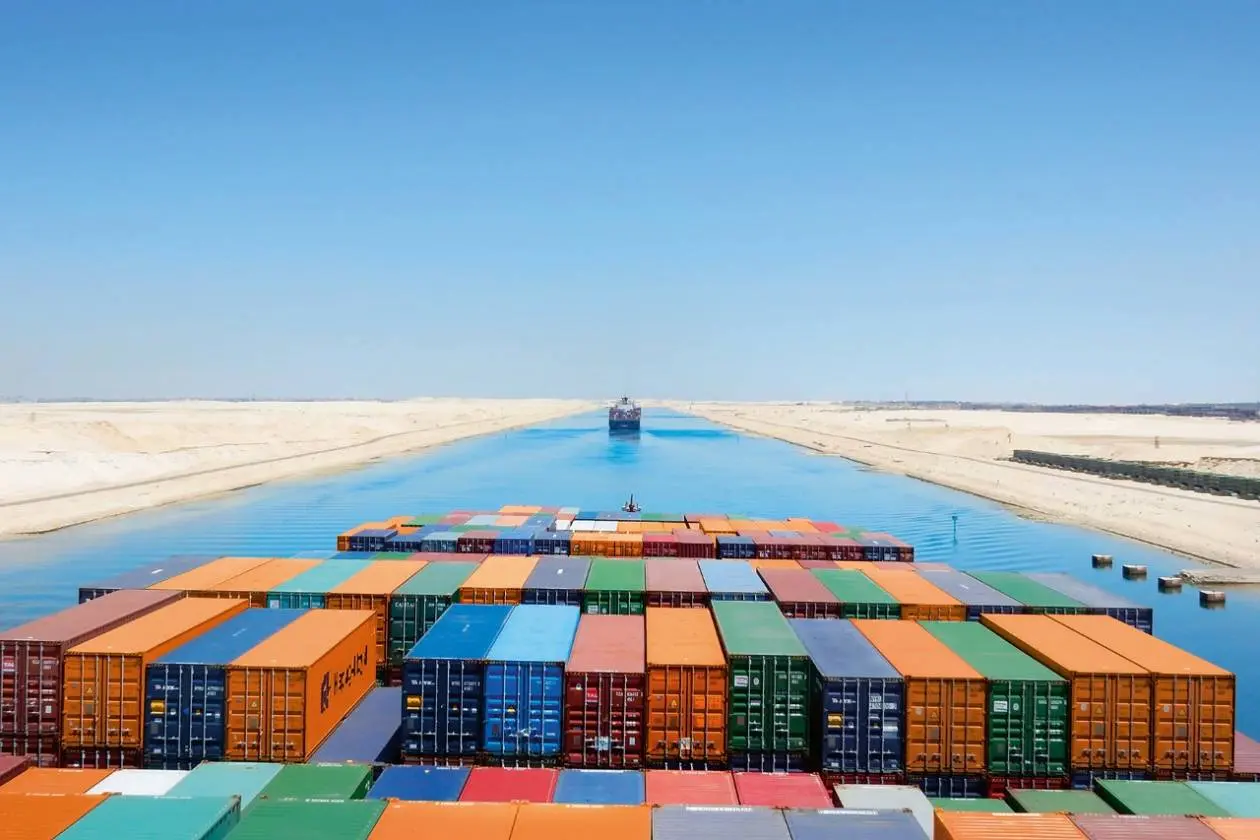
Chemical tankers are split into three IMO ship types under the IBC Code, based on how hazardous their cargo is. Type 1 carries the most dangerous cargoes, Type 2 carries appreciably hazardous cargoes, and Type 3 carries the least hazardous cargoes. This guide covers each type’s construction standard, the cargoes carried, tank construction, coating, and segregation rules.
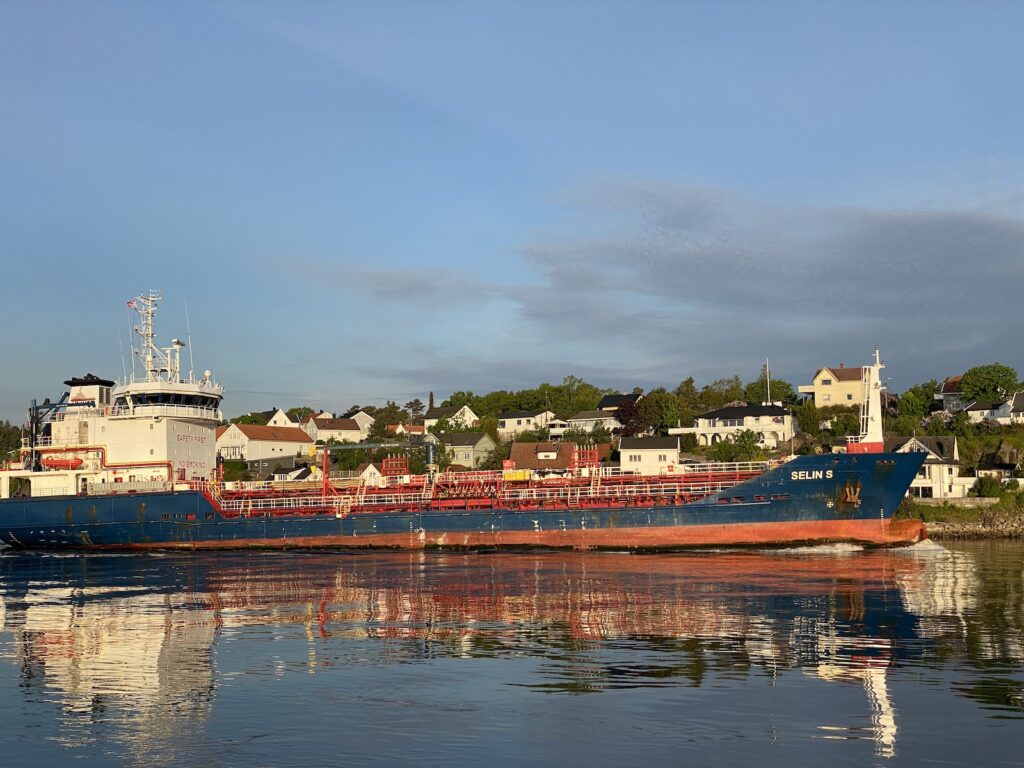
Chemical cargo is often flammable, toxic, or corrosive, so handling it wrong carries real risk to the crew and the environment. That risk is why the IBC Code — the International Code for the Construction and Equipment of Ships Carrying Dangerous Chemicals in Bulk — exists. It has set a separate construction standard for every chemical tanker built or converted since 1 July 1986.
What Are the Three IMO/IBC Ship Types for Chemical Tankers?
The IBC Code sorts chemical tankers into three IMO ship types by cargo hazard. Type 1 carries the most dangerous cargoes and needs the highest damage survivability. Type 2 carries appreciably hazardous cargoes, and Type 3 carries the least hazardous ones.
Type 1 Chemical Tanker
A Type 1 vessel carries products that pose the greatest overall hazard to the ship, the crew, or the environment. The IBC Code requires these ships to survive a severe standard of assumed side-shell and bottom damage without a cargo tank breach. Cargo tanks sit at the maximum practical distance inboard from the shell plating, usually with full-width double-hull protection.
Typical Type 1 cargoes include acrylonitrile, carbon disulfide, and phosphorus. These substances are either highly toxic, highly reactive, or both.
A single tank breach is treated as a worst-case event. That is why Type 1 location and separation rules are the strictest of the three types.
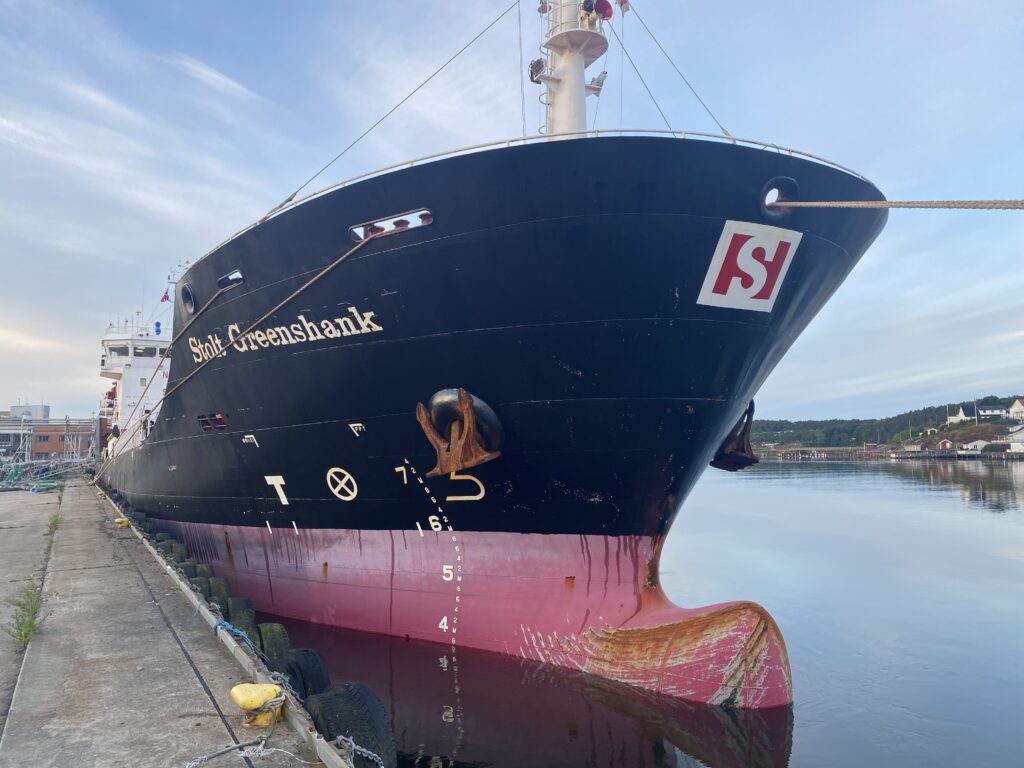
Type 2 Chemical Tanker
A Type 2 vessel carries the IBC Code Chapter 17 products with appreciably severe safety or environmental hazards. The Code still requires significant preventive measures against an escape of cargo, but the assumed damage standard is less severe than Type 1. Most general-purpose chemical parcel tankers built for the merchant trade are Type 2 ships.
Common Type 2 cargoes include styrene, xylene, and methanol. These cargoes still demand dedicated cargo systems and trained crew, but the hull’s survivability and tank-location margins are narrower than on a Type 1 ship. Most of the world’s chemical tanker fleet falls into this category.
Type 3 Chemical Tanker
A Type 3 vessel carries products of progressively lesser hazard. The IBC Code requires only a moderate degree of containment to increase survival capability if the hull is damaged. Vegetable oil carriers and some base-oil traders are typically built to this standard.
A Type 3 classification does not mean the cargo is harmless. It means a spill’s consequence is judged less severe than a Type 1 or Type 2 release. Cargoes such as vegetable oils, molasses, and some mild acids fall here, and class societies still survey them under the same IBC Code framework.
What Cargoes Do Chemical Tankers Carry?
Chemical tankers carry four major cargo groups: organic chemicals, inorganic chemicals, vegetable oils, and base oils or clean petroleum products. Smaller-volume cargoes include biodiesel components, ethanol, and molasses.
The IBC Code assigns each product a pollution category and a minimum ship type. The table below groups cargoes the same way a cargo officer plans a loading sequence.
| Cargo group | Typical products | Typical minimum ship type |
|---|---|---|
| Organic chemicals | Methanol, xylene, styrene, ethylene glycol, acetone | Type 2 (some Type 1, e.g. acrylonitrile) |
| Inorganic chemicals | Sulfuric acid, hydrochloric acid, nitric acid, phosphoric acid, caustic soda (sodium hydroxide) | Type 2 |
| Vegetable oils | Soybean oil, sunflower oil, palm oil, coconut oil | Type 3 |
| Base oils / clean petroleum products | Lubricating base oil, gas oil, jet fuel components | Type 3 |
| Other bulk liquids | Biodiesel (FAME), ethanol, molasses | Type 3 (ethanol frequently Type 2) |
Organic chemicals are compounds built on carbon-hydrogen bonds — the same chemical family as sugars, lipids, and amino acids, but produced industrially at scale. They feed the automotive, food, and pharmaceutical industries downstream. Methanol is the largest-volume organic chemical carried by dedicated chemical tankers worldwide.
Inorganic chemicals are manufactured rather than refined from crude oil or plant matter. Sulfuric acid, hydrochloric acid, nitric acid, phosphoric acid, and caustic soda are the highest-volume inorganic cargoes. Several of these products are highly corrosive to unprotected steel, which drives the tank coating decisions covered below.
Vegetable oils are edible oils extracted from plants — soybean, sunflower, corn, and coconut are the most commonly traded. Base oils are lightly refined petroleum products used as feedstock for finished lubricants. Both cargo groups are usually IBC Type 3 and are frequently carried on the same voyage in segregated tanks.
How Are Chemical Tanker Cargo Tanks Built?
Chemical tanker cargo tanks fall into four construction types: independent, integral, gravity, and pressure. Structurally, the arrangement is similar to that used on oil tankers, since chemical cargo is not required to be carried in a fully independent tank. Each type carries a vent system, either an open vent or a controlled system using pressure-vacuum (PV) valves.
Independent tanks are self-supporting units that share no common structural border with the hull. They absorb vibration and stress from hull movement — swell, slamming, torsion — without passing that load into the cargo containment. Most Type 1 and higher-hazard Type 2 cargoes go into independent tanks.
Integral tanks form part of the ship’s structure and share its stresses directly. They contribute to the hull’s overall strength, which is why class societies treat integral tank steelwork as primary structure during survey. This construction is common on general-purpose Type 2 and Type 3 parcel tankers.
Pressure tanks are built to withstand more than 0.07 MPa (megapascal) of vapor pressure and must be independent by design. They follow pressure-vessel design rules rather than standard hull-plating rules. Cargoes with a high vapor pressure or a low flash point are the usual reason for choosing a pressure tank.
Gravity tanks can be either independent or integral, and are designed for a pressure no greater than 0.07 MPa at the top of the tank. Most cargo grades — vegetable oils, base oils, and the majority of organic and inorganic chemicals — travel in gravity tanks. The tank’s design pressure, temperature rating, and relative-density limit are all checked against the cargo before loading.

What’s the Difference Between Coated and Stainless-Steel Chemical Tanks?
Chemical tank interiors use either an applied coating (epoxy, zinc, or phenolic) or uncoated stainless steel, chosen by the cargo’s corrosivity. Coated tanks are cheaper to build but limit which cargoes a tank can carry without residue issues. Stainless-steel tanks cost more but accept almost any cargo the IBC Code allows.
Epoxy-coated tanks handle most vegetable oils, base oils, and moderately reactive organics without damage. Zinc silicate coatings resist a narrower band of cargoes and are gradually being phased out on newbuilds. A coating failure shows up as discoloration or off-spec cargo, and it’s one of the first things a condition surveyor checks in a tank inspection.
Stainless-steel tanks are standard on modern deep-sea chemical parcel tankers because they carry the widest cargo range without recoating cycles. High-purity cargoes — food-grade vegetable oils, pharmaceutical intermediates, metal-sensitive cargoes — require stainless steel or a cargo-specific coating regardless of ship type. Surveyors check weld seams and passivation, since poor passivation is the most common cause of localized corrosion.
What Is Cargo Segregation on a Chemical Tanker?
Cargo segregation means keeping incompatible chemicals physically separated by dedicated tanks, pumps, and piping so they cannot mix, even through a leaking valve. The IBC Code requires a cargo compatibility reference — most operators use a chart or software tool cross-referenced against each cargo’s reactivity group. A single wrong valve line-up between an acid and a reactive organic cargo can trigger a violent reaction.
Modern chemical tankers run fully segregated systems: one pump, one set of piping, one tank per cargo grade. That lets incompatible products load and discharge on the same voyage without cross-contamination.
Tank cleaning between cargoes follows a documented procedure. Cleaning records are a standard item a surveyor reviews before a charterer accepts the tank for a sensitive cargo.
What Is a Parcel Tanker?
A parcel tanker is a chemical tanker built with many small, fully segregated tanks so it can carry several different cargo grades in one voyage. A large deep-sea parcel tanker can carry 30 to 50 separate grades simultaneously, each in its own tank with a dedicated pump and line. This design lets one ship serve several small-lot chemical shippers instead of one bulk cargo owner.
Parcel tankers are almost always IBC Type 2 or Type 3; Type 1 cargoes rarely trade in lots small enough to justify the segregation cost. Stolt Tankers, Odfjell, and MOL Chemical Tankers operate the largest deep-sea parcel fleets. Coastal and regional operators run smaller parcel tankers with fewer, larger segregated tanks.
What Rules Govern Chemical Tanker Design and Operation?
Chemical tanker design sits under the IBC Code, while cargo discharge sits under MARPOL Annex II. Annex II sorts noxious liquid cargoes into four pollution categories, X through Z, each with its own discharge and tank-cleaning rules. A ship’s IMO Type maps directly onto the hazard level of the cargoes it is certified to carry.
Cargo transfer follows the ISGOTT guidelines (International Safety Guide for Oil Tankers and Terminals), covering static electricity control, gas-freeing, and ship-shore communication. Chemical tankers additionally follow a product-specific data sheet for each cargo carried. Officers cross-check both documents before every cargo operation.
Before fixing a charter, most oil majors and large chemical traders run a vetting inspection on the ship. Chemical tanker vetting typically runs through the Chemical Distribution Institute’s Integrated Ship Inspection System (CDI-ISIS) rather than the SIRE program oil tankers use. A poor CDI-ISIS report can keep a ship off a major charterer’s approved list for months.
Gas carriers follow a related but separate code, the IGC Code, which governs liquefied gases like LPG and LNG rather than liquid chemicals. Both codes share the same logic: ship type and tank construction scale with cargo hazard. A surveyor moving between chemical and gas carrier work will recognize the same Type 1/2/3-style grading in both.
Frequently Asked Questions About Chemical Tankers
What is a chemical tanker?
A chemical tanker is a specialized ship built to carry liquid chemical cargo in bulk, using segregated tanks, dedicated pumps, and cargo systems sized to the product’s hazard level. Construction and cargo handling both follow the IBC Code.
What are the three types of chemical tankers?
The IBC Code defines three ship types by cargo hazard: Type 1 for the most dangerous cargoes, Type 2 for appreciably hazardous cargoes, and Type 3 for the least hazardous cargoes. Each type carries a different damage-survivability and tank-location standard.
What is the difference between IMO Type 1, 2, and 3 chemical tankers?
The difference is the assumed hull-damage standard and how far inboard the cargo tanks sit. Type 1 has the strictest standard and the most inboard tank placement; Type 3 has the least strict standard because its cargoes pose a lower consequence if released.
What do chemical tankers carry?
Chemical tankers carry organic chemicals (methanol, xylene, styrene), inorganic chemicals (sulfuric acid, caustic soda), vegetable oils, base oils, and smaller-volume cargoes like ethanol and molasses. The exact list a ship can carry depends on its IBC Type and tank coating.
What is a parcel tanker?
A parcel tanker is a chemical tanker built with many small, fully segregated tanks so it can carry dozens of different cargo grades on one voyage, each kept separate with its own pump and piping.
What is the difference between a chemical tanker and an oil tanker?
An oil tanker typically carries one or a few crude or refined petroleum grades in large, less-segregated tanks. A chemical tanker carries many distinct, often reactive cargoes in fully segregated tanks built or coated for each product’s specific chemistry.
How big are chemical tankers?
Chemical tankers range from small coastal parcel tankers under 5,000 DWT to deep-sea parcel tankers above 40,000-45,000 DWT. Size is driven more by the number of segregated grades a trade route needs than by raw cargo volume.
What is ISGOTT and how does it apply to chemical tankers?
ISGOTT is the International Safety Guide for Oil Tankers and Terminals, covering safe cargo transfer procedures, including static electricity control and ship-shore communication. Chemical tankers follow it alongside product-specific data sheets for each cargo carried.

- What Is the ISM Code? SMS, DOC, SMC and Audits Explained – October 6, 2026
- What Is the IS Code? IMO Intact Stability Criteria Explained – October 5, 2026
- Ship Stopping Distance: Crash Stop and IMO Limits Explained – October 5, 2026