A tri-hull boat uses three hulls instead of one — a central hull flanked by two smaller side hulls called amas. This guide covers what a tri-hull boat is, how it compares to a V-hull, and the real pros and cons before you buy one.
What Is a Tri-Hull Boat?
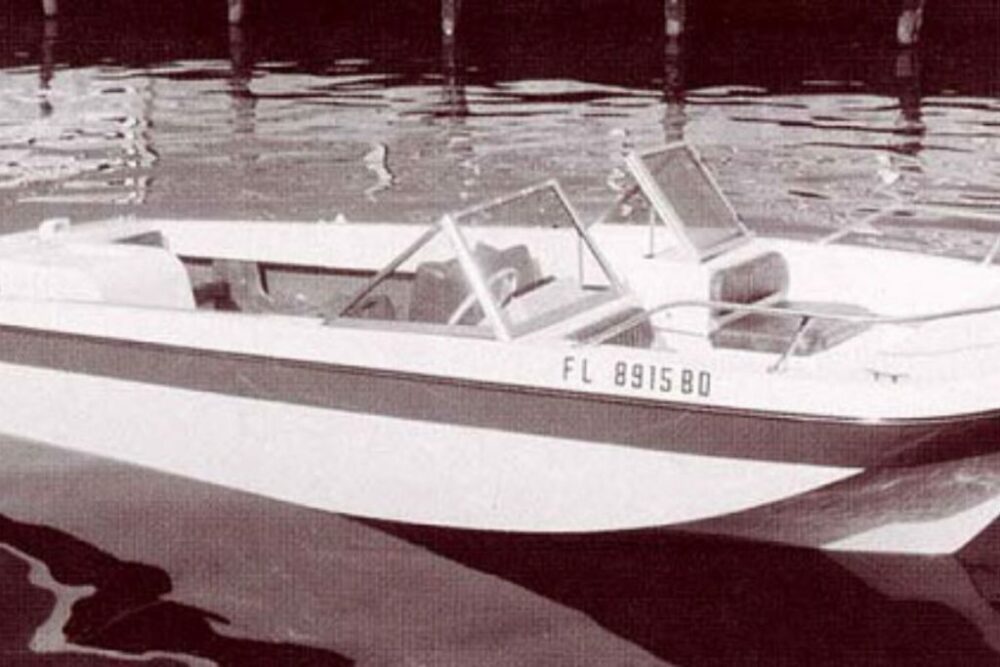
A tri-hull boat is a multihull design that combines one V-shaped center hull with two flatter outer hulls, or amas. Together they give the bottom an “M” shape. It’s also called a cathedral hull or tunnel hull boat.
The design traces back to traditional double-outrigger boats used across Southeast Asia. Tri-hulls are classified as multihulls, the same broad category as the catamaran.
Most production tri-hulls are built in aluminum or fiberglass, the same materials used across small recreational boats. Recreational models typically run 10 to 12 feet, close to a dinghy-style boat, though the design has also scaled up for ferries and warships.
Tri-Hull vs. V-Hull and Other Multihull Designs
A tri-hull’s extra flotation and mid-hull buoyancy make it more stable at rest than a deep-V hull. Its flatter bottom, though, pounds harder in chop than a V-hull cuts through waves.
Deep-V hulls knife through waves using a sharper deadrise angle at the transom. A tri-hull’s shallower bottom and hard chines trade wave-cutting ability for a flatter, more stable ride in calm water.
Catamarans and other multihull designs share the tri-hull’s stability advantage but use two hulls instead of three. Tri-hulls are also close relatives of tunnel hull boats, since both use the tunnel formed between hull sections to lift the boat and cut drag.
Where Did the Tri-Hull Design Come From?
The tri-hull’s design traces to traditional double-outrigger boats in Southeast Asia. It became a mainstream U.S. runabout style in the 1960s, before V-hull and pontoon boats overtook it in popularity.
Builders sold tri-hulls through the 1960s and 1970s as an affordable, stable alternative to deep-V runabouts. Starcraft’s Tri Star model is one production example — it paired a tri-hull bottom with a fiberglass build more modern than its predecessors. See the full Starcraft Islander specs and review for a period example.
Improvements in performance, speed, and buoyancy have continued since, but the design has never regained the popularity it held in the 1960s. Better-riding V-hull and deck boats took over the mainstream runabout market from the 1980s onward. Pontoon boats absorbed most of the calm-water family demand the tri-hull once served.
What Are the Pros of a Tri-Hull Boat?
Tri-hull boats trade top-end speed for stability, buoyancy, and deck space. That trade-off is why they remain popular for calm-water family days, fishing platforms, and party boats despite falling out of mainstream production.
A Flatter, More Stable Ride
The three-hull design resists the tipping and rolling a monohull shows in a turn or beam sea. Weight spreads across all three hulls, keeping the boat level in calm to moderately choppy water.
Faster Planing and Less Drag
Load spread over three hulls lifts the boat higher out of the water, cutting the wetted surface in contact with the water. Less drag means the tri-hull reaches plane faster and needs less horsepower than a monohull of the same size.
Buoyancy and Flotation
Closed-cell foam packed into the three hulls makes tri-hulls hard to sink, even if swamped. The long, narrow center hull does roughly 90% of the buoyancy work on its own.
A Spacious Deck at a Lower Weight
Smaller cross-decks mean tri-hulls need less internal bracing than a monohull to stay structurally sound. That saves weight while still leaving a wide, open deck that carries more gear and passengers.
Lower Purchase and Running Cost
Tri-hulls generally cost less to buy than a monohull of comparable size. Their reduced drag also lets them run on a smaller engine, which keeps both the sticker price and fuel use down.
What Are the Cons of a Tri-Hull Boat?
The same wide, shallow hulls that make a tri-hull stable at rest make it a rough ride once the water turns choppy. Decades of modification have also blurred the design’s original form.
Rough-Water Performance
Tri-hulls lack a V-hull’s sharp entry, so they pound rather than cut through waves once conditions turn unsettled. Running “bow high” reduces the pounding but doesn’t eliminate it in open or choppy water.
A Wet Ride
Waves slam against the outer hulls, or amas, on both sides of the boat, throwing spray onto the deck. Anyone sitting on the upwind side gets wet each time a hull slaps the water.
Structural Stress at Higher Speeds
Modern lightweight materials let builders shrink the amas and center hull for more speed. Thinner cross-sections are more prone to fracture where the ama’s forward strut attaches. The 2012 Sodeb’O trimaran redesign addressed this by lengthening the main hull and shortening the amas so their cross-sections could handle the load.
Modified Designs Have Lost the Original Shape
Many production tri-hulls now use foldable amas that convert the hull to a V-shape for rough water. That improves wave handling but sacrifices the original cathedral-hull layout. Upgraded models with foldable amas and a larger center hull also cost more than a fixed-hull tri-hull of the same length.
What to Check Before Buying a Used Tri-Hull
Most tri-hulls on the used market date from the 1960s through the 1980s. A pre-purchase survey matters more than it would on a newer boat. Check these points before you buy:
- Ama-to-hull seams: look for stress cracks or soft spots where each outer hull joins the center hull — this joint carries load in every turn.
- Foam flotation: tap the hull sides for a dull, waterlogged sound, which signals the closed-cell foam has absorbed water and lost buoyancy.
- Transom condition: soft or delaminated transom wood is common on older fiberglass tri-hulls and affects how securely the outboard mounts.
- Modified amas: confirm whether the amas are original fixed units or a later foldable conversion, since this changes both handling and resale value.
Routine upkeep follows the hull material. Aluminum tri-hulls need periodic checks for corrosion at the ama attachment points. Fiberglass models need the same gelcoat and seam maintenance as any small fiberglass runabout.
Tri-Hull vs. Pontoon Boat
Both designs trade speed for stability, but they get there differently. A pontoon boat floats on two or three hollow aluminum tubes under a flat deck. A tri-hull instead keeps a V-shaped planing hull at its center, with two smaller amas alongside it.
That center hull lets a tri-hull plane and run faster than most pontoon boats of comparable length. A pontoon boat, in turn, generally rides drier and carries more deck furniture. That trade-off is why pontoons have largely replaced tri-hulls for calm-water family use.
Is a Tri-Hull Boat a Good Choice?
A tri-hull boat suits calm lakes, rivers, and protected bays, where its stability, deck space, and buoyancy outweigh a rough ride. It’s a poor match for open water or routinely choppy conditions.
Recreational anglers get mixed results from a tri-hull. Its flat, stable deck works well as a casting platform, especially with children aboard, but pounding in chop rules it out for offshore trips.
Boat buyers weighing a tri-hull against other layouts can compare it with the wider field in our guide to different boat types.
What is a tri-hull boat?
A tri-hull boat has three hulls — a central V-shaped hull flanked by two smaller outer hulls called amas — giving the bottom an M shape. It’s also called a cathedral hull or tunnel hull boat.
What is another name for a tri-hull boat?
Tri-hull boats are also called cathedral hull boats or tunnel hull boats, and some larger multihull designs use the term trimaran. All three names describe the same three-hull, M-shaped bottom.
Is a tri-hull boat good in rough water?
No. A tri-hull’s flat outer hulls pound against waves instead of cutting through them, so it performs poorly in open water or unsettled chop compared with a deep-V hull.
What is the difference between a tri-hull and a V-hull boat?
A V-hull uses one sharply angled hull to cut through waves, while a tri-hull spreads the load across three flatter hulls for stability instead of wave-cutting ability. That trade-off makes the V-hull better offshore and the tri-hull better on calm, flat water.
Are tri-hull boats still made today?
Yes, though in far smaller numbers than during their 1960s peak. Most surviving production comes from manufacturers building foldable-ama or modified cathedral-hull models rather than the original fixed-hull design.
What size do tri-hull boats come in?
Recreational tri-hulls typically run 10 to 12 feet, similar to a dinghy-style boat, though the design has also been scaled up for ferries and warships.
Are tri-hull boats good for fishing?
They work well as a stable casting platform on calm lakes and rivers, which makes them popular with families and recreational anglers. Their rough-water performance is too poor for serious offshore fishing.
What should I inspect before buying a used tri-hull?
Check the ama-to-hull seams for stress cracks, tap the hull for waterlogged foam flotation, and check the transom for soft or delaminated wood. Also confirm whether the amas are original or a later foldable conversion.

- What Is the ISPS Code? Security Levels, Plans and the ISSC – October 8, 2026
- What Is the Load Line Convention? Freeboard and Marks Guide – October 8, 2026
- What Is the MLC 2006? Maritime Labour Convention Explained – October 8, 2026