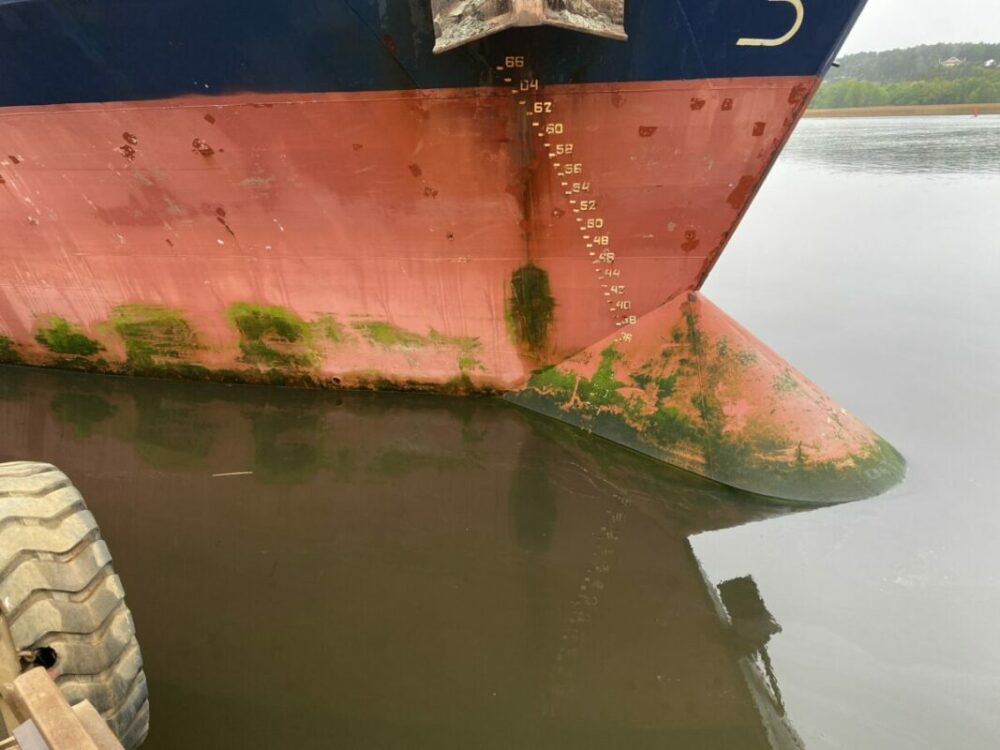
Ship Hull Markings Explained — 7 Key Symbols on Every Vessel
Discover the 7 essential hull markings found on every ship. From Plimsoll lines to tug and pilot symbols, loading limits, and class compliance under IMO and SOLAS conventions.

Discover the 7 essential hull markings found on every ship. From Plimsoll lines to tug and pilot symbols, loading limits, and class compliance under IMO and SOLAS conventions.

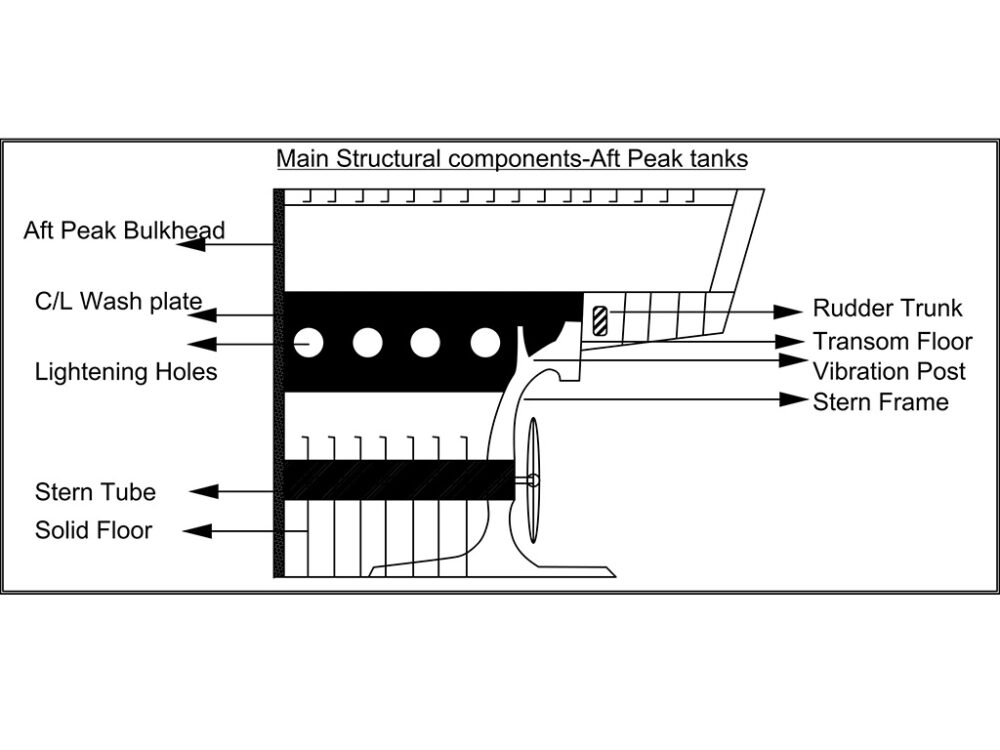
Have you ever wondered what the interior of a commercial ship hull looks like? What might be the different subdivisions, tanks, and so on? The aft peak tank is the […]

The efficiency of a ship is determined by how well all the ship’s machinery and operating systems are maintained. To ensure such conditions are maintained, SOLAS Chapter-I Regulation-10, stipulates that […]

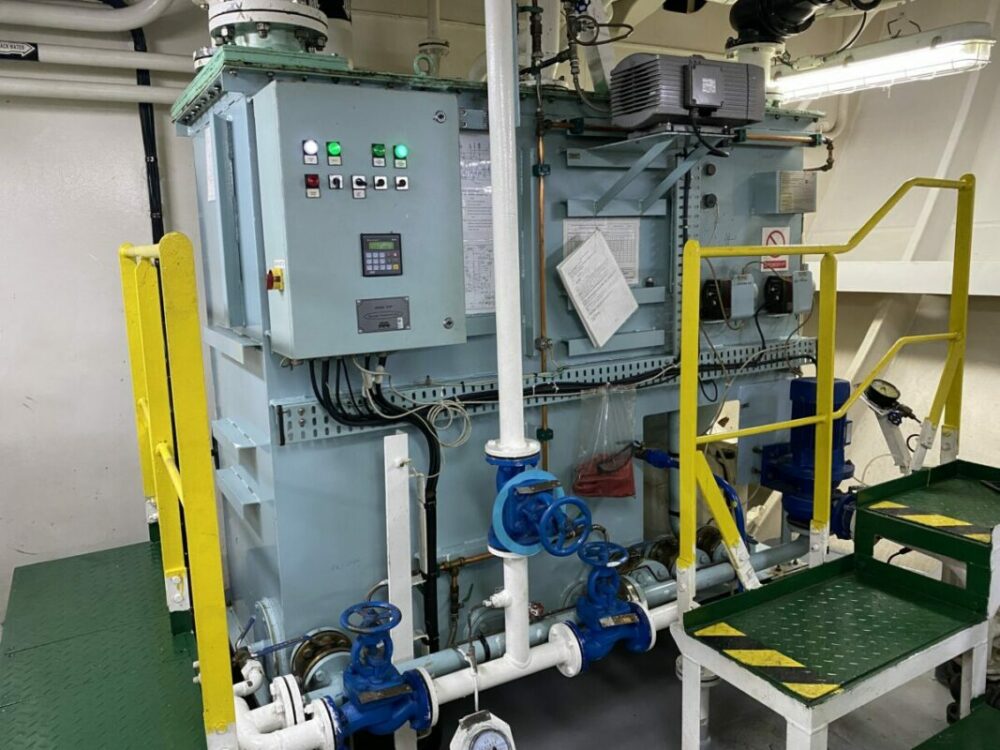
Sewage is a very smelly topic if left undiscussed. This article will help you understand how the maritime industry handles human waste aboard the ship without violating or harassing the […]

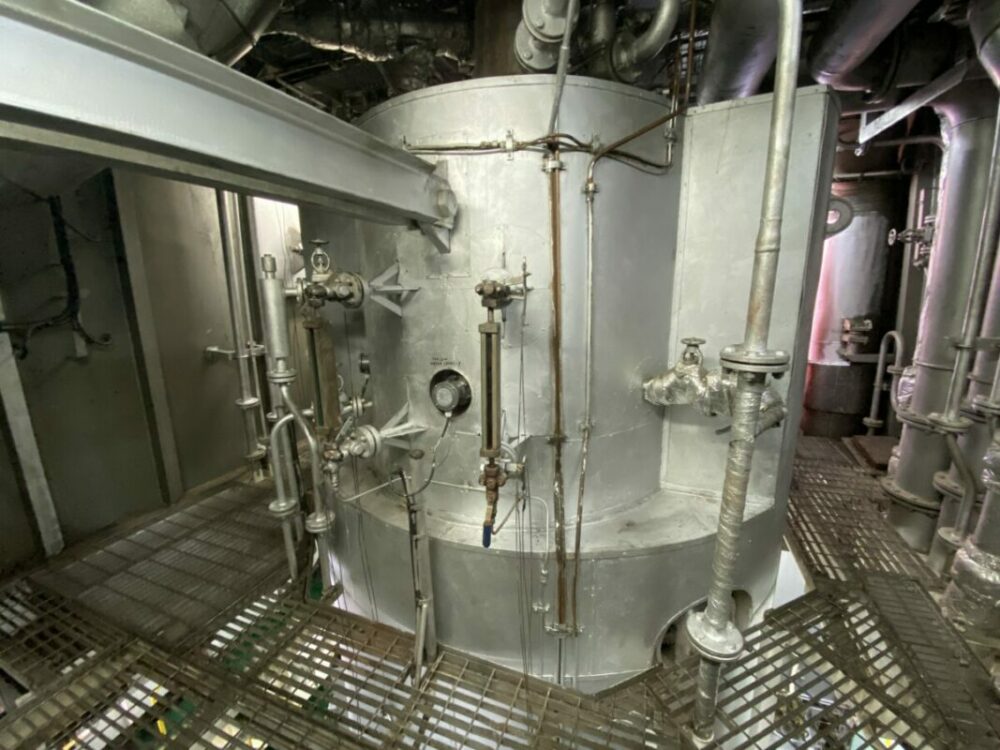
How many tons of water do ships boil off to make enough steam aboard? Where do they get this amount of water and where do they dump all of it? […]

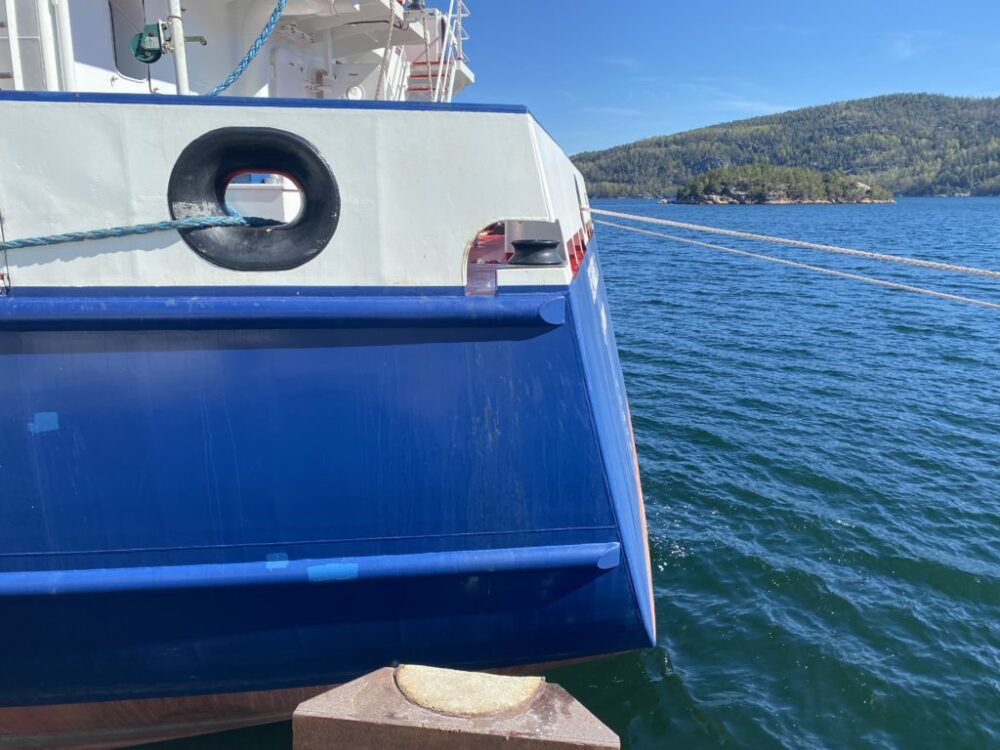
The stern can be defined as the aftmost section of a vessel. It is the backmost part of a vessel that serves a lot of functions. The stern is designed […]

The keel of a boat is an essential part of the structure of a vessel. It keeps the vessel stable and prevents the vessel from being overturned into water. The […]

One aspect of a ship that needs additional consideration during design and construction is the hull. In the development of naval architecture, hull designs have gone from cylindrical wooden shanks […]

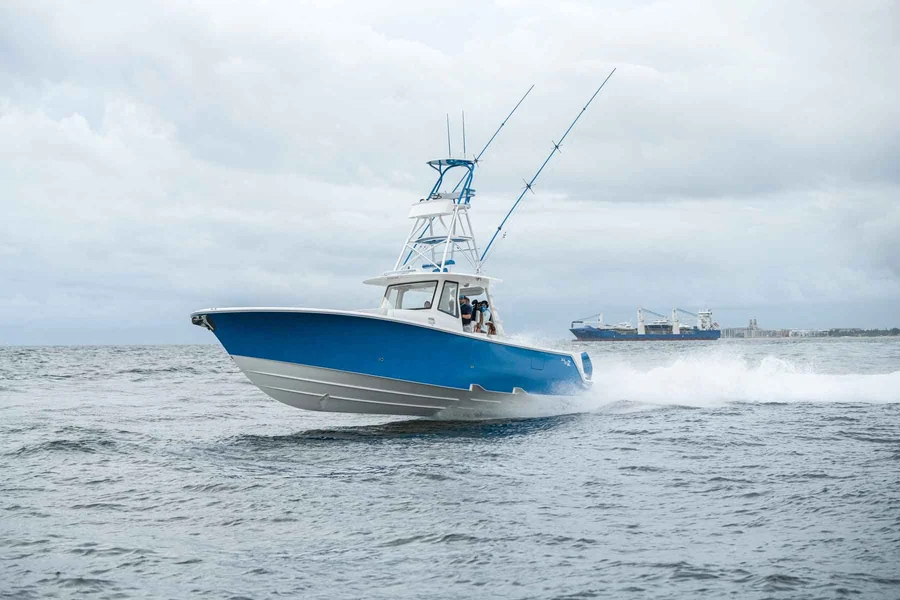
Stepped hulls are those hulls that have either a transversal or longitudinal break on the hull bottom called steps, which are designed to reduce the amount of hull surface which […]

The importance of the International Shore Connection (ISC) is critical for both routine and emergency situations, especially when a vessel is in a foreign or remote port. The International Shore […]