Nautical Science

  • What Is a Cargo Manifest in Shipping?

    What Is a Cargo Manifest in Shipping?

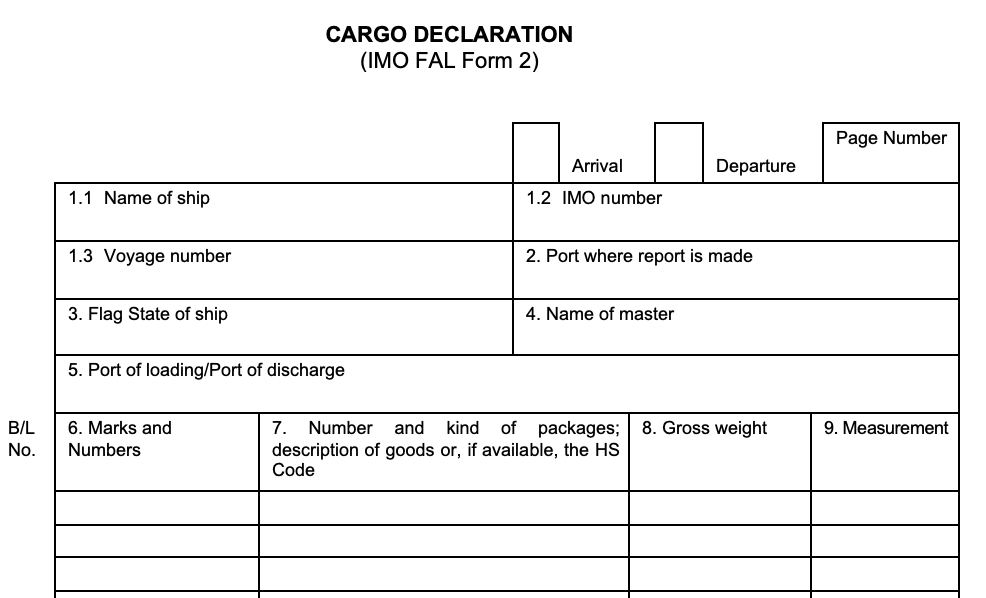
    Paperwork is essential to transport and trading, and shipping follows suit. A cargo manifest in shipping is used to keep track of everything, including a list of cargo, passengers, and the route taken by the vessel. It also provides details of the vessel’s crew members and the bill of landing. Goods shipped cannot be offloaded…

  • 11 Coolest LEGO Ship Sets for Mariners and Adults

    11 Coolest LEGO Ship Sets for Mariners and Adults

    Although LEGO sets were initially known to be popular construction toys for kids, most adults have fallen in love with them. You can use them during your spare time, relieving stress, relaxing, and during breaks at work or duty. LEGO sets have gained immense popularity recently, even among older people, and come in various themes…

  • The 10 Most Mysterious Ghost Ships of the Maritime World

    The 10 Most Mysterious Ghost Ships of the Maritime World

    Anything can happen while on the sea, such as disasters, loss of life, and even ships becoming ghosts. There are famous real-time stories of ships that disappeared in thin air without any trace. However, such circumstances have been present since man began traveling, and every generation has a story to tell. This does not only…

  • Why Are Ships Called She and Gendered Female?

    Why Are Ships Called She and Gendered Female?

    Although the term “she” is a pronoun commonly used by human beings, it is also used when referring to ships. The term has been utilized for centuries, and there are numerous reasons for it. One of the most dominant reasons is that the word ship originates from the Latin word “Navis,” associated with feminism. Another…

  • How Fast Is a Knot? What Knots Mean in Practice at Sea and in the Air

    How Fast Is a Knot? What Knots Mean in Practice at Sea and in the Air

    One knot equals one nautical mile per hour. A nautical mile is 1,852 metres — slightly longer than a statute mile — giving 1 knot a value of 1.15078 miles per hour or 1.852 kilometres per hour. To convert quickly: multiply knots by 1.15 for mph, or by 1.85 for km/h. The reason mariners and…

  • What is GMDSS? Meaning, Documents & Equipment List

    What is GMDSS? Meaning, Documents & Equipment List

    Navigating the high seas has become much safer and easier because of the Global Maritime Distress and Safety System. It allowed stakeholders to check and monitor vessels around the globe. GMDSS(Global Maritime Distress and Safety System) was developed by the IMO (International Maritime Organization), not just in response to multiple disasters but to prevent similar…

  • What Is ETA and ETD in Shipping?

    What Is ETA and ETD in Shipping?

    In maritime transport, it is often difficult to accurately determine the time of arrival or even departure of a vessel from a port. For this reason, the abbreviations ETA and ETD were created. These terms are widely used in the maritime and shipping industry and indicate the approximate dates of the vessel’s passage start and…

  • How Many Crew Members Are Required On Modern Ships?

    How Many Crew Members Are Required On Modern Ships?

    To operate the vessel properly, a minimum number of crew members is required. The number varies depending on the factors like the type of vessel, cargo operation, size, local standards, etc. Modern ships can have a crew of 15-25 persons. However, for the last twenty-five years, the number of crew members is being reduced, more…

  • What Is A Ship Trim And Why Trim By Head Is Avoided?

    What Is A Ship Trim And Why Trim By Head Is Avoided?

    Ships operate in a liquid medium- water, which means their profile in the water they operate in determines how they behave. One such profile is the vessel’s trim which will determine the way the forces from the water will affect the vessel’s movement. The vessel’s trim will therefore affect her handling and sea-keeping characteristics as…

  • Intact Stability Criteria For Timber Deck Cargo

    Intact Stability Criteria For Timber Deck Cargo

    According to naval architects, ships must always be capable of dealing with a wide range of external and internal factors that may affect their seaworthiness and the safety of their crew or passengers. For timber deck cargoes, the stowage and cargo securing arrangements should allow for a safe yet sensible securing of the cargo so…